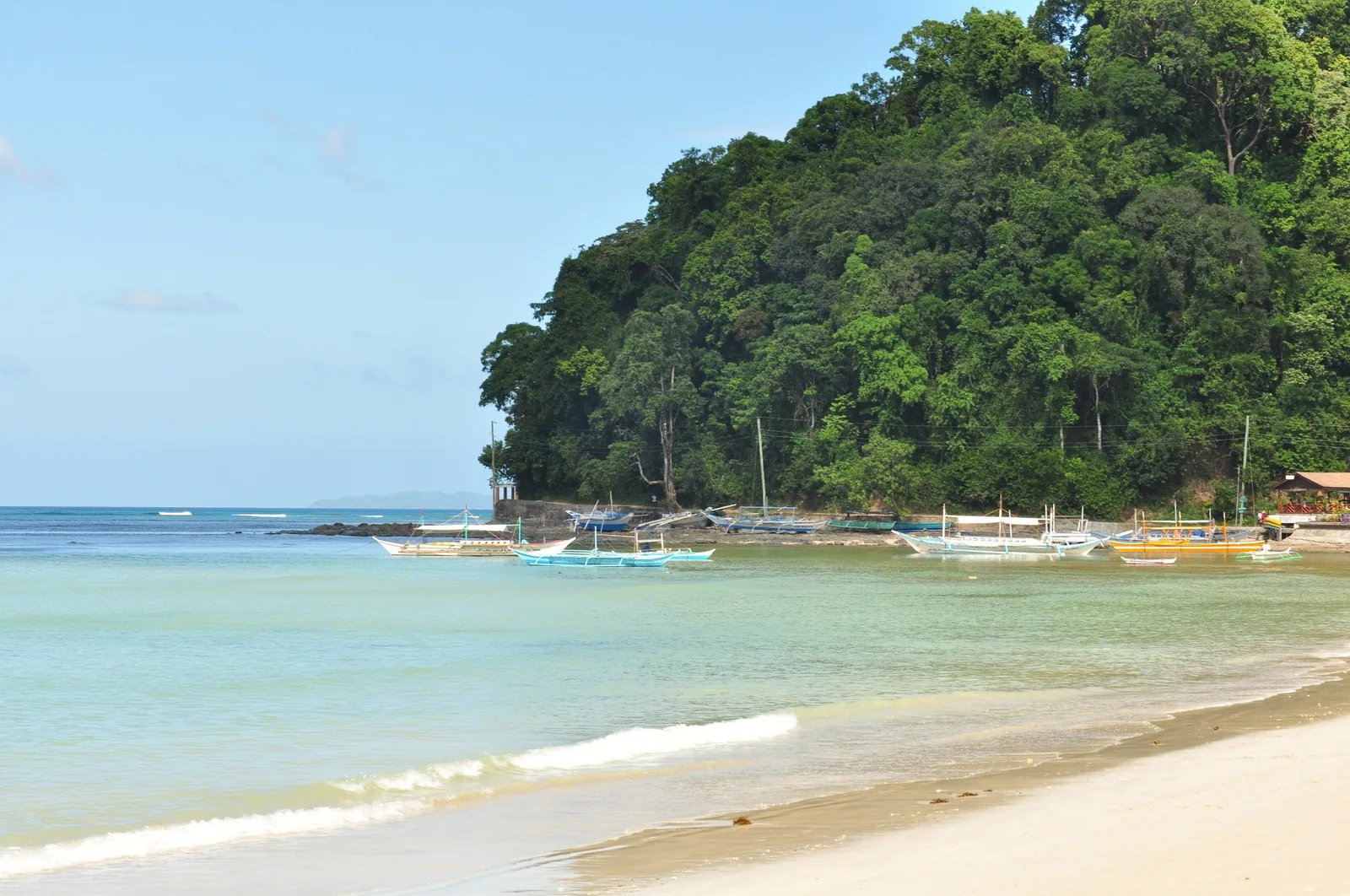
Philippines
The Philippines in ten days
Four islands, three boats and two domestic flights — a route whose hardest problem is not what to see but how much margin to leave between the legs.
Overview
Four islands, and the margin that makes them possible
Philippine itineraries are built out of domestic flights, which is what makes them fragile. This one reduces the count to two and does the rest by ferry: Cebu to Bohol on a fast craft that runs many times a day, and El Nido to Coron across the top of Palawan when the sea allows. Everything else is a boat from a beach or a car on an island road.
The other half of the design is spacing. We do not book a domestic flight on the day of an international one, we keep a clear day after the last island crossing, and between June and November we add a spare day to the Palawan leg. A storm anywhere in the country cancels flights everywhere in it, and the only defence is slack in the schedule rather than optimism about the forecast.


- Length
- 10 days, 9 nights
- Group
- Private, up to 12
- Starts
- Cebu
- Ends
- Coron
- Domestic flights
- Two, plus two sea crossings
- Best months
- December to May
Nights
The nights, in order
Day by day
What happens each day
Day 1
Into Cebu
Arriving without a connecting flight to worry about
Cebu is an international airport in its own right — Singapore, Hong Kong, Seoul and Tokyo all connect directly — which is why this route starts here rather than in Manila and saves a domestic flight at the front. Mactan, the island the airport sits on, is a strip of resorts convenient for a first night and not much else. Nothing is planned.
Day 2
Across to Bohol
The first afternoon on Panglao, with nothing booked
The fast ferry from Cebu City to Tagbilaran takes about two hours and runs several times a day; we book the seat rather than just the crossing, which is a distinction that matters at the pier. Panglao, the small island joined to Bohol by a causeway, is thirty minutes on. The afternoon is the beach.
Day 3
The interior, in one loop
Corella, where the tarsiers are in trees rather than in a cage
Inland early. The Chocolate Hills are more than a thousand grass-covered limestone mounds across the middle of the island, brown in the dry months and green in the wet, and the viewpoint is forty-five minutes of steps. The tarsier sanctuary at Corella is the one we use — a genuine conservation operation where the animals are in forest rather than held — and they are nocturnal, so keep your voice down and expect twenty minutes. Lunch on the Loboc river, then the mahogany forest and back to the coast.
Day 4
Balicasag at first light
Turtles in four metres of water at seven in the morning
Out at half past five, because the reef at Balicasag is a wall dive and a snorkel that both work best before the day boats arrive and the turtles are reliably in the shallows early. Numbers on the island are capped, which is why the early start matters. Back by late morning; the afternoon is yours.
Day 5
The long hop to Palawan
The descent into El Nido over the archipelago
A travel day and we will not pretend otherwise: the ferry back to Cebu City, then the flight to El Nido, direct where the schedule carries it and otherwise through Manila. The El Nido service is a small turboprop into a private airfield with a checked-baggage allowance well below an international flight, and the figure is not negotiable at the desk — we send it to you in writing before you pack.
Day 6
The lagoons
Paddling into the Big Lagoon before anything else is in it
Tour A, which is the Big Lagoon, the Small Lagoon, Shimizu and Seven Commandos — the itinerary everyone books, done privately and early so that the Big Lagoon is entered at eight rather than eleven. It is a paddled kayak inside the lagoon proper, which is the only way it is worth doing. Lunch on a beach, with park and environmental fees paid.
Day 7
The second boat day, further out
Matinloc, and the gap in the rock at the Secret Beach
Tour C — Hidden Beach, Matinloc, Helicopter Island and the Secret Beach, which is entered through a gap in the rock and only when the swell allows. It is the better of the two boat days and the more weather-dependent, which is why it is second rather than first. If the sea has closed it we run Tour D and the Nacpan beaches instead.
Day 8
North to Coron
The crossing itself, which is four hours of open sea and islands
Three and a half to four hours on the fast ferry across the top of Palawan, sea permitting, or a short flight in the season it runs. This is the single crossing on the route that weather stops outright, so we hold the flight as an alternative and we decide the evening before. Coron town is plain; the water around it is the point.
Day 9
Wrecks and crater lakes
Kayangan Lake, early, before the boats stack up at the jetty
Coron is quieter than El Nido, less pretty above water and far more interesting below it — around ten Japanese ships sunk in September 1944, several at recreational depths, which makes it one of the few places where wreck diving needs no technical qualification. Snorkellers get two of them. Then Kayangan Lake, a hundred and fifty steps up and the same down to a crater of fresh water inside limestone walls, and the Twin Lagoon. Numbers are capped and the fees are collected by the Tagbanua community that owns the lake.
Day 10
Out through Manila
Leaving with the international flight a clear margin away
Busuanga to Manila is about an hour by air. The terminals in Manila are separate buildings and the traffic between them can take longer than the flight, so where your international departure is early we add a Manila night and the trip becomes eleven days. We will tell you which applies as soon as we see your flights.
Paperwork
Entry, and the passport rule that catches people
The Philippines is the simplest of the six countries to enter and has one condition that is stricter than the usual version, plus a weather season that shapes the whole itinerary.
- Thirty days visa-free for around 190 nationalities, including the United Kingdom, the EU, the United States, Canada, Australia, Japan and South Korea. Extensions are done in-country through the Bureau of Immigration.
- eTravel registration is compulsory and free, filed within 72 hours of arrival. Airlines check the QR code at the gate.
- A return or onward ticket is a formal condition of entry rather than a suggestion.
- Your passport must be valid six months beyond the day you LEAVE the Philippines, not the day you arrive. This is stricter than the usual rule and it is the one that catches people out.
- Typhoon season runs roughly June to November and peaks between August and October. Palawan sits west of most storm tracks and is hit less often than the Visayas, but that is probability rather than a promise, and a storm anywhere in the country cancels flights everywhere in it. Between June and November we add a spare day to the Palawan leg and keep the international flight a clear day after the last domestic one.
The paperwork here is free, so there are no fees to quote. What needs checking is the six-month rule counted from departure and the eTravel QR code, and we check both before tickets are issued.
Pictures
What the ten days look like
The Chocolate Hills Balicasag
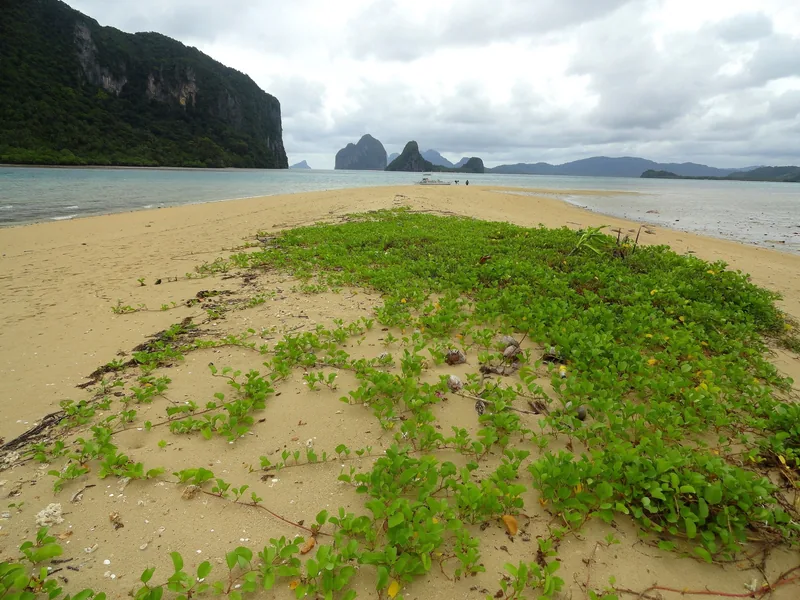 El NidoThe Big Lagoon
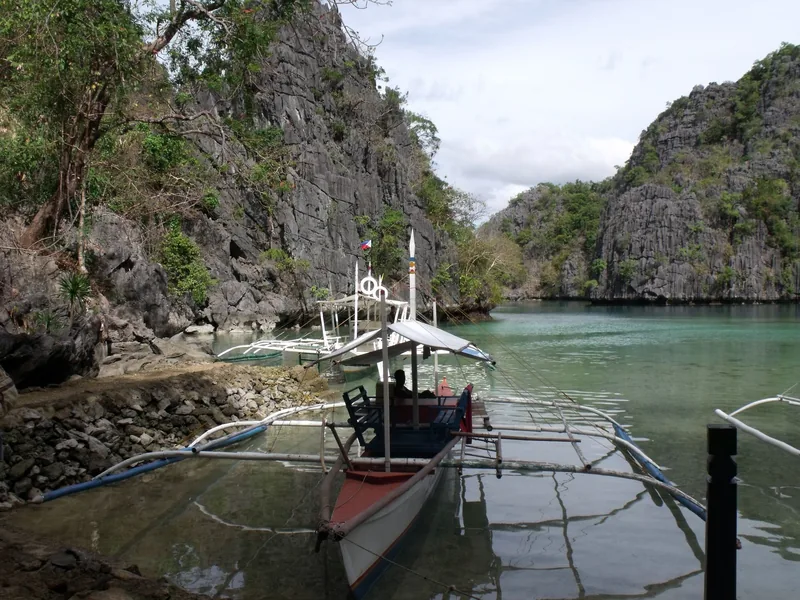 Coron
Coron Kayangan Lake
Cost
How we quote it
| Travellers | Comfortable hotels | Boutique and luxury |
|---|---|---|
| 2 travellers | On request | On request |
| 4 – 6 travellers | On request | On request |
Panglao and El Nido both have a genuine luxury tier; Coron has a much shorter list and the first night on Mactan is an airport hotel in either column. The boats are the same boats in both columns — what changes is how many people are on them, and on a lagoon day that is the difference the money buys. Ask and the figure comes back within a working day, itemised.
Included
What the quote covers
What the price includes
- Private air-conditioned car and driver on Cebu, on Bohol, at El Nido and at Coron, with every island transfer.
- English-speaking licensed guides on the Bohol interior day and on all four boat days.
- Both domestic flights — Cebu to El Nido, direct or through Manila, and Busuanga to Manila — in economy, with the El Nido baggage allowance confirmed to you in writing before you pack.
- The fast ferry between Cebu City and Tagbilaran with reserved seats, and the El Nido to Coron crossing with a flight held as the weather alternative.
- Nine nights with breakfast: one on Mactan, three on Panglao, three at El Nido and two at Coron.
- Lunch on the Bohol interior day, both El Nido boat days and the Coron boat day.
- Four boat days: Balicasag at first light with the island cap respected, El Nido Tours A and C, and the Coron wrecks and lakes, each with park, environmental and community fees paid.
- Entrance fees to everything named above, including the Chocolate Hills viewpoint, the Corella tarsier sanctuary, Kayangan Lake and the Twin Lagoon.
- A spare day built into the Palawan leg on any trip between June and November, and no domestic flight booked on the day of your international one.
- A coordinator on a Philippine number for the whole trip, with eTravel filed on time and the six-month passport rule checked before tickets are issued.
What it does not include
- International flights into the first city and out of the last.
- Visa fees and entry charges. We do not publish these figures — the current ones are on the government’s official portal, and your coordinator confirms them in writing before you travel.
- Travel insurance, which we ask every traveller to hold.
- Meals not named in the day-by-day, and all drinks.
- Tips for guides, drivers and boat crew.
- Personal expenses: laundry, telephone, spa treatments, anything bought.
Straight talk
Who should not book this route
Four islands in ten days reads as relaxed and is not, quite. Five travellers should take the Cebu and Bohol week instead, or wait for a fortnight.
- Anyone who cannot swim or does not want to be on a boat. Four of the ten days are built around water and on a boat day there is nothing else to do. Cebu and Bohol alone — reefs, hills and waterfalls — is the version that works without that.
- Travellers who want one base. This route moves four times in nine nights, which is what covering the Visayas and Palawan in ten days costs. With a fortnight we would give El Nido four nights and slow the whole thing down.
- Anyone travelling between August and October who cannot absorb a cancellation. That is the peak of typhoon season, domestic flights are cancelled nationally when a storm lands anywhere, and the El Nido to Coron crossing is the first thing to go. We add a spare day and keep the international flight clear, and we still cannot promise the Palawan leg.
- Anyone who came to swim with whale sharks at Oslob. We do not book it. The animals are fed from boats to keep them in one place, which changes their behaviour, crowds them and gets them struck by hulls. Unfed encounters exist elsewhere in the country, seasonally, and they need their own leg and their own luck.
- Travellers with a strict baggage problem. The El Nido turboprop carries considerably less than an international flight and the allowance is not negotiable at the desk. We send the figure in writing; it still surprises people.
Two seas, four islands, and slack in the schedule.
Plan My Trip
Start from this route
Send us your dates and we will tell you how much margin the island flights need in them.
Common questions
Questions travellers ask most
Why start in Cebu rather than Manila?
Because Cebu is an international airport in its own right — Singapore, Hong Kong, Seoul and Tokyo connect directly — and because the first four days then need no domestic flight at all. If your international routing only reaches Manila, we start there with a night and a morning hop, and the trip becomes eleven days.
El Nido or Coron, if we could only take one?
El Nido for the lagoons, the cliffs and the greater choice of places to stay. Coron for wreck diving, the crater lakes and quieter water. Divers should take Coron; almost everyone else prefers El Nido, which is why this route puts three nights there and two at Coron.
What happens if the El Nido to Coron ferry is cancelled?
We hold the short flight as an alternative and decide the evening before rather than at the pier. If both go, the spare day on the Palawan leg absorbs it — which is why that day exists between June and November.
Which months?
December to May is the dry season and February to April is as reliable as the Philippines gets. June to November is typhoon season, peaking August to October. The country runs on the same calendar as mainland Southeast Asia, so this is the island leg for a winter route.
Journey ideas
Where a private route could take you
Example itinerary — fully customizable
Cebu & Bohol
Seven days, two islands, one ferry and no internal flights.
View journey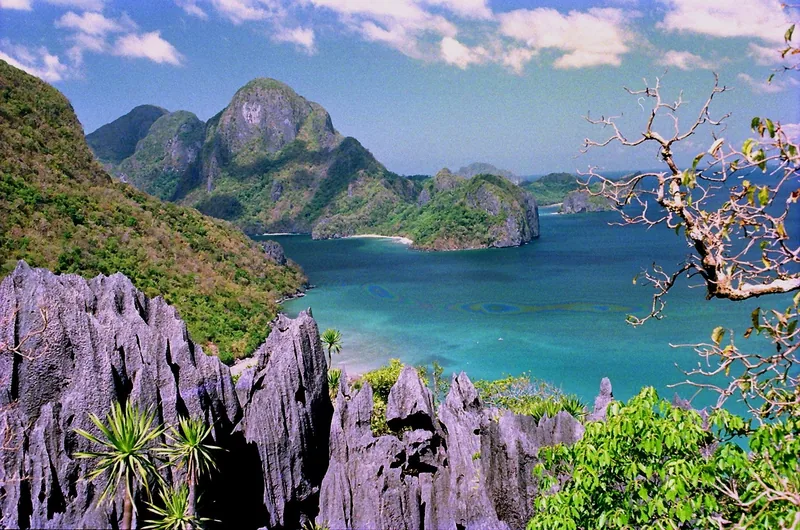
Example itinerary — fully customizable
Palawan, Cebu & Bohol
Ten days, three islands, one ferry and two short flights.
View journey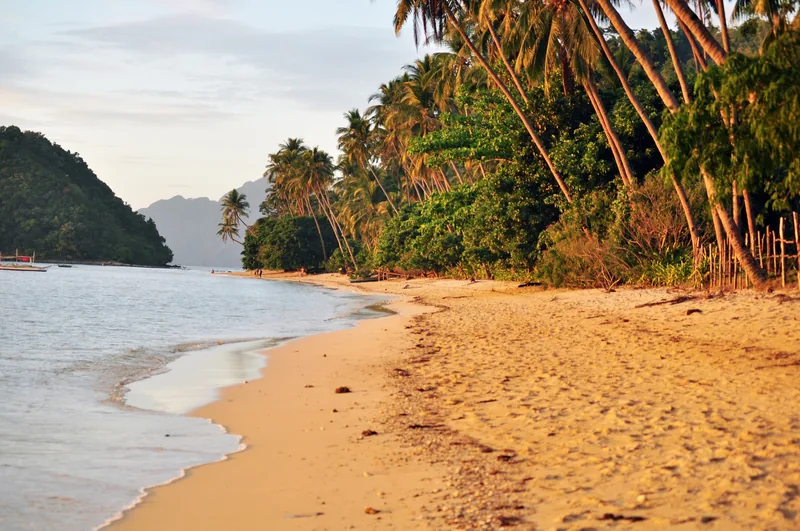
Philippines
Palawan
Five or six nights, and one full travel day accepted at the start.
View journey
Philippines
Cebu & Bohol
Four or five nights, and the only Philippine leg that does not need a spare day built into it.
View journey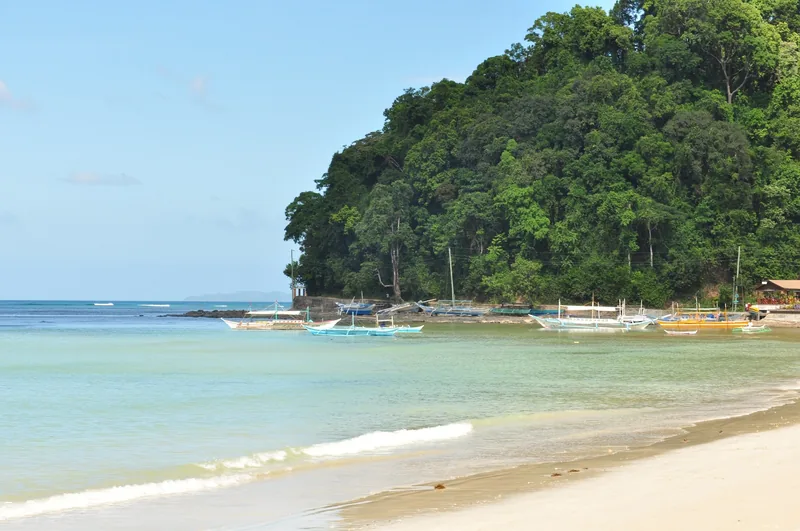
Start planning
Let’s plan your journey
Five quick questions. Your coordinator will take it from there.
Prefer to talk? WhatsApp or call+84 904 511 319