
Indonesia
Bali
An island you can drive across in a morning, holding four or five entirely different holidays — and the planning job is choosing one of them rather than attempting all.
Bali
An island that is four or five different holidays
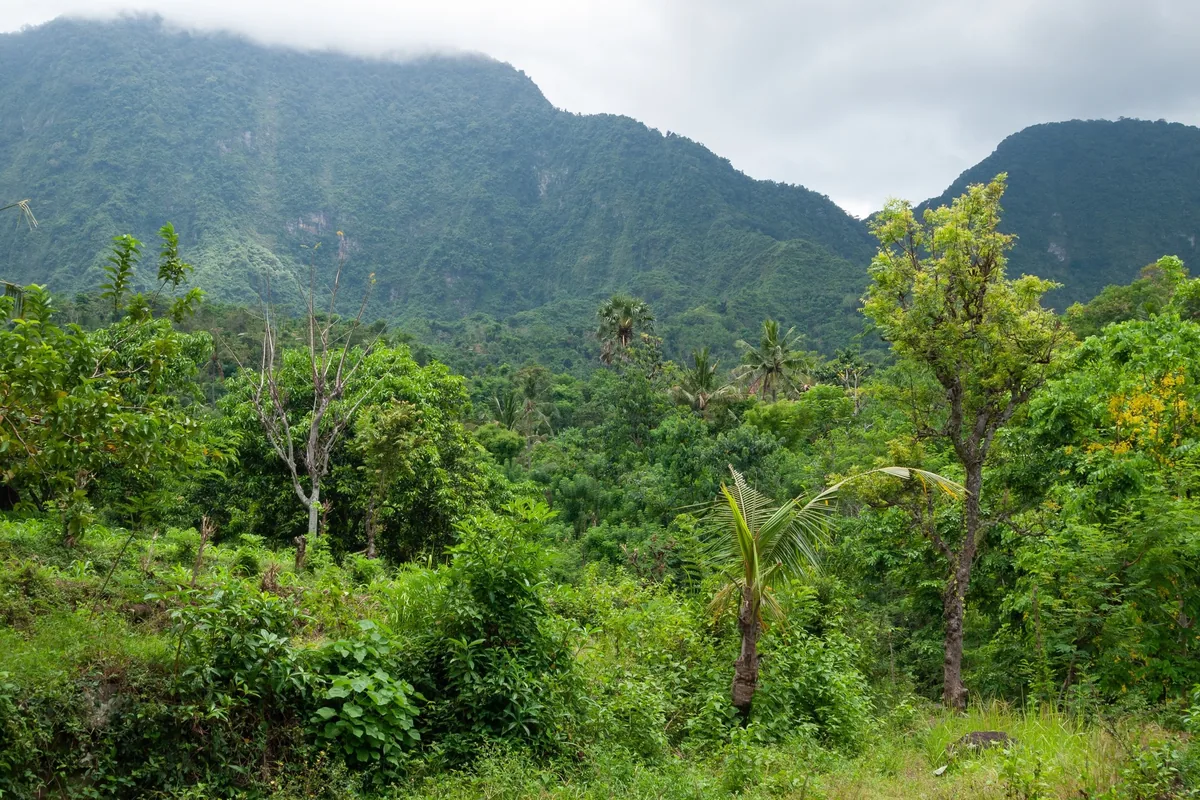
Bali is about 150 km end to end and you could cross it in a morning if the traffic allowed, which in the south it does not. Inside that small space sit a volcanic spine with crater lakes and cloud forest, a terraced middle belt of rice and water temples, a southern isthmus carrying almost every hotel on the island, and a dry east and north that most visitors never reach. Deciding which of those you came for is the whole planning job: the island rewards a choice and punishes an attempt to see everything, because the distances are short and the road time is not.
It is also a Hindu island in the largest Muslim country in the world, which is why the religious life is so visible from the first morning. Offerings go out on the pavement three times a day, there are said to be more than twenty thousand temples, and a ceremony is running most weeks. None of it is arranged for visitors, and it is the part of Bali the crowds have left intact.
The middle of the island
The interior is the reason to come
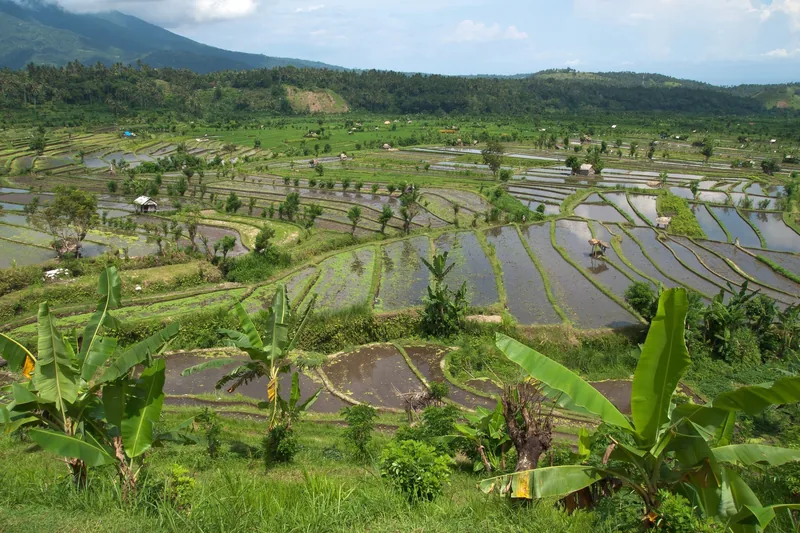
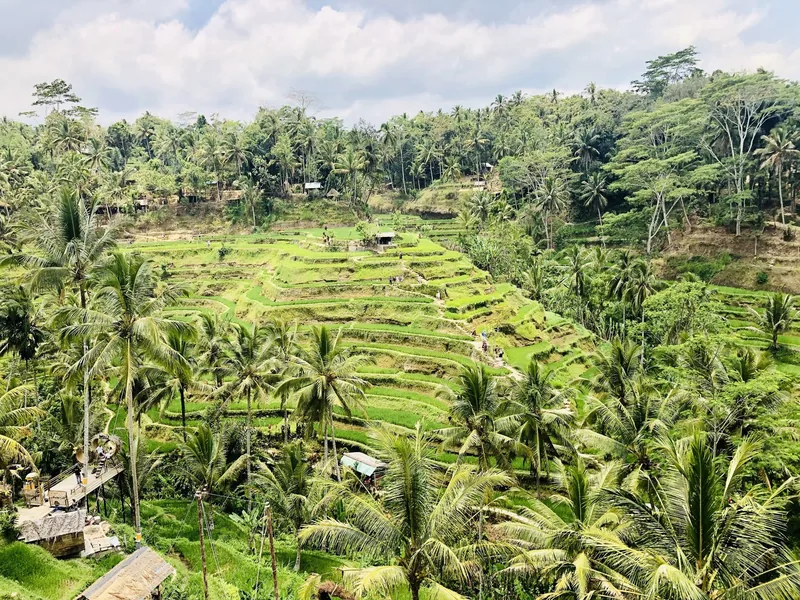
Ubud is the base for the middle of the island, and the fair position on it is that the town centre has been thoroughly commercialised while the ten kilometres around it have not. Stay a little out — north towards Tegallalang, or west above the Ayung gorge — and you get the version people describe when they come home: paths through the terraces at six in the morning, and a working economy of carvers, painters and gamelan players much older than tourism.
- Tirta Empul, the spring temple, at opening — the bathing is a live rite, and by mid-morning it is a queue.
- The Jatiluwih terraces, an hour and a half west: a UNESCO-listed irrigation landscape, larger and far quieter than Tegallalang.
- Mount Batur before dawn — two hours up volcanic scree in the dark, with company at the top.
- The swing platforms along the Tegallalang road, which can be left alone without regret.
Coasts
Which coast, and for whom
The argument people have about Bali is really an argument about districts. Within twenty kilometres you can have restaurant traffic, an empty cove at the foot of a staircase, or a paved seafront with shallow water, and choosing wrongly is the most common reason people come home disappointed.
- Seminyak and Canggu
- Restaurants, surf schools and the worst traffic on the island. A scene rather than a beach.
- Sanur
- East-facing, shallow and calm, with a paved seafront. Families and quiet mornings.
- The Bukit — Uluwatu and Bingin
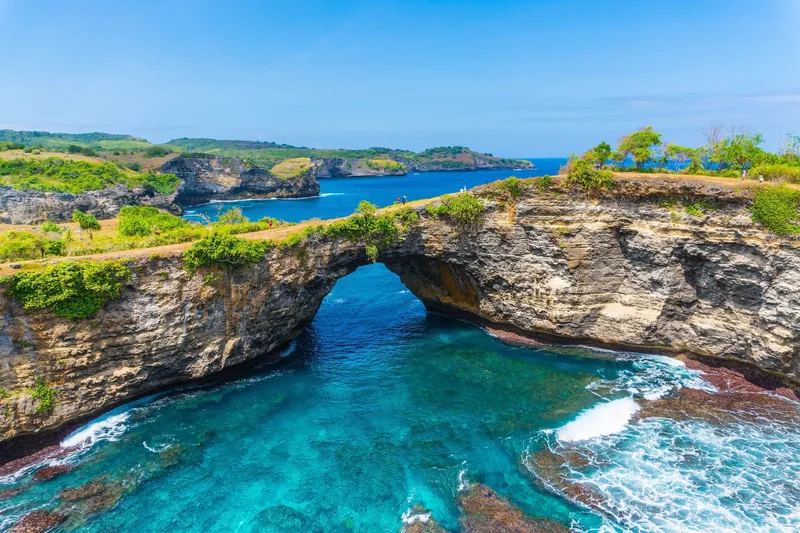
- Cliffs, the sea temple and serious surf. Dramatic rather than convenient.
- Nusa Dua
- An enclosed resort strip, the calmest water in the south, little of Bali inside the gates.
- Amed and the east coast
- Black sand, the Liberty wreck at Tulamben offshore, few visitors. Two hours from the airport.
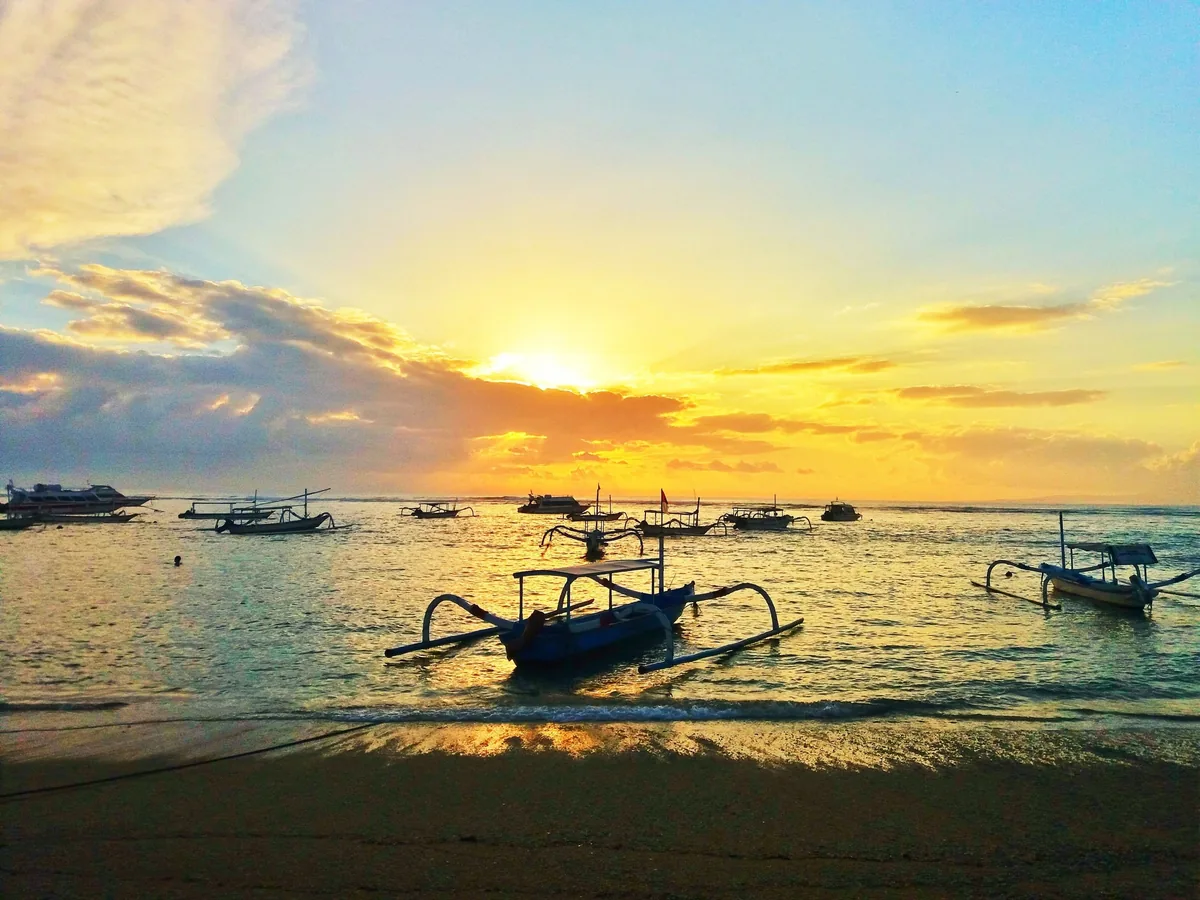 Sanur, early morning
Seasons
The crowded months, said plainly
The dry season runs May to September, which is when Bali is at its best and also at its fullest. July and August are the peak, and the week either side of the new year is worse; on those dates the coast road north from the airport can take two hours for twenty kilometres. May, June and September are the months we push people towards — the same weather, noticeably fewer people. January and February are the wettest, with rain that arrives hard and then stops, and cheaper by a wide margin.
One date to know before you book a flight: Nyepi, the Balinese day of silence, falls in March and closes the whole island for twenty-four hours, airport included. Nothing opens and nobody travels. It is remarkable to be present for and impossible to work around.
Entry
Flying in, and what the paperwork asks
There is no land route to Bali from anywhere on the mainland, so this leg is always flown. Bangkok to Denpasar is about four and a half hours direct, Singapore under three, Kuala Lumpur about three. Denpasar is also where the internal flights start: an hour and twenty to Yogyakarta, about the same to Labuan Bajo.
- Every European, North American, Australian and Northeast Asian passport buys a visa on arrival — 30 days, extendable once by a further 30, at the airport or in advance through the immigration e-visa portal.
- The All Indonesia arrival card is compulsory and free, filed within 72 hours of arrival.
- Bali charges a tourist levy per person, separate from the visa, paid online or on arrival.
- Proof of onward travel is genuinely checked at Denpasar.
- Six months of passport validity, two blank pages.
We do not print the visa figure or the levy figure here. Both change without announcement and the official portals are the only source worth quoting. Your coordinator sends the current amounts and the right links before you travel, and files what can be filed in advance.
Onward
Where Bali sits in a longer trip
Bali is the answer to the wrong half of the year. Between May and September, when Thailand, Laos and northern Vietnam are under the southwest monsoon, Bali is dry, so a June route that gives ten days to the mainland and a week here is dry at both ends rather than hoping. The join is made in Bangkok or Singapore and costs an afternoon.
Inside Indonesia, Yogyakarta adds two nights of Java for a short flight and Labuan Bajo adds the boats. The Philippines is the harder connection: no dependable daily direct from Denpasar, so the route goes through Singapore or Kuala Lumpur, six to eight hours all in, and we give it a full travel day.
Give the island a week.
Plan My Trip
Tell us your dates
We will tell you which coast suits them, and how far out of Ubud you want to be.
Common questions
Questions travellers ask most
How many nights does Bali need?
Five is the working minimum for the interior and one coast. Seven lets you have both without moving hotel twice, and is what we recommend when Bali is the island half of a longer route.
Is Bali too crowded?
The southern strip is, in July, August and at the new year. The interior, the east coast and the north are not, and an itinerary built around those feels like a different island. We plan around the peaks rather than pretending they are not there.
Do I need a visa in advance?
No, though you can buy one ahead if you would rather not queue. European, North American, Australian and Northeast Asian passports all pay for a visa on arrival, 30 days, extendable once. The arrival card and the Bali levy are separate, and both are filed online.
Journey ideas
Where a private route could take you
Destinations
Indonesia
Bali, Java and Flores — the island leg that works when the mainland does not.
View journey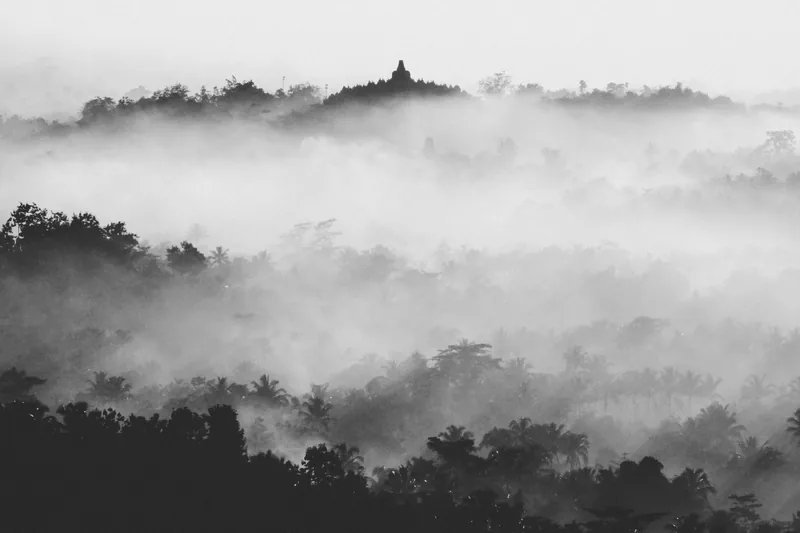
Indonesia
Yogyakarta
Two or three nights of Java, an hour and twenty from Bali by air.
View journey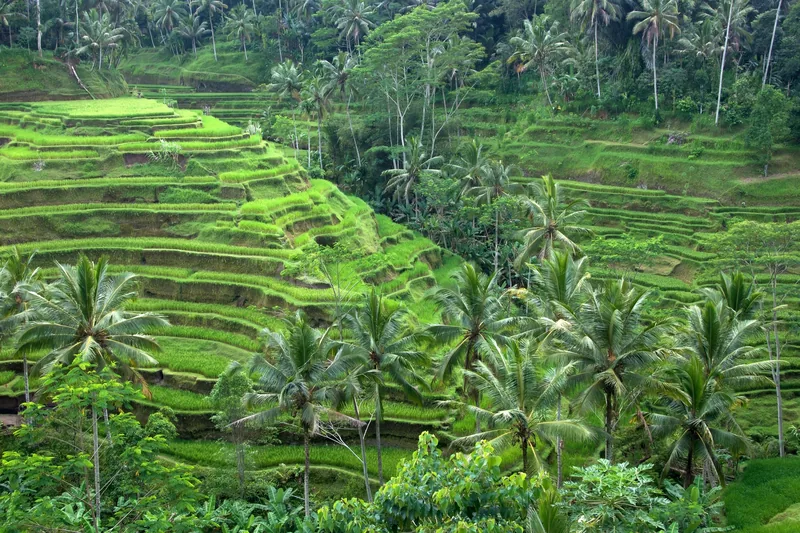
Example itinerary — fully customizable
Bali
Seven days: the middle of the island, then a coast you chose on purpose.
View journey
Example itinerary — fully customizable
Bali & Java
Ten days, two islands, one short flight and no land borders.
View journeyStart planning
Let’s plan your journey
Five quick questions. Your coordinator will take it from there.
Prefer to talk? WhatsApp or call+84 904 511 319