 Journeys across Southeast Asia

Vietnam
Hanoi
A thousand-year-old river city that industrialised around its centre rather than through it — and the airport almost every northern Vietnam route begins at.
Hanoi
A centre the city grew around rather than through
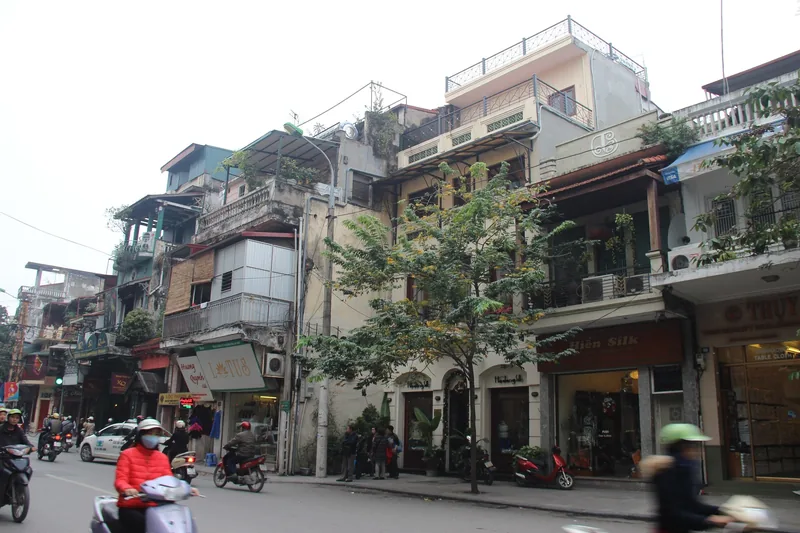
Hanoi is a thousand years old; the part most people come for is about four hundred years of it. The thirty-six streets of the Old Quarter were laid out as guild lanes — one for tin, one for silk, one for votive paper — and a surprising number still sell what they are named for. The houses are three metres wide and twenty deep because tax was once charged on street frontage. None of it is arranged for visitors, which is why the quarter feels abrasive on the first morning and difficult to leave by the third.
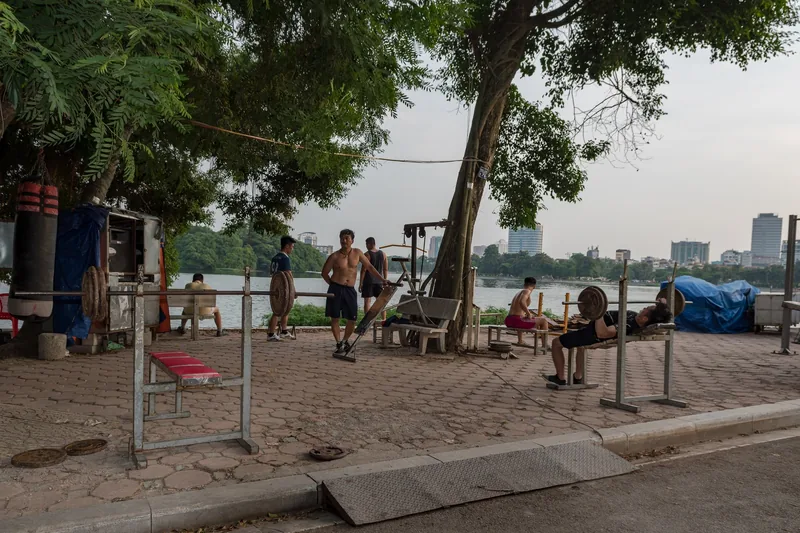
Around it is the other Hanoi: wide French streets and ochre villas south of the lake, the ceremonial emptiness of Ba Dinh square, and a ring of lakes the city is built around rather than beside. West Lake alone is larger than the entire Old Quarter. Weather matters here more than anywhere else in the country: January mornings sit near 15°C under unmoving cloud, and July humidity makes 35°C feel worse than it reads.
Priorities
What earns the time, and what does not
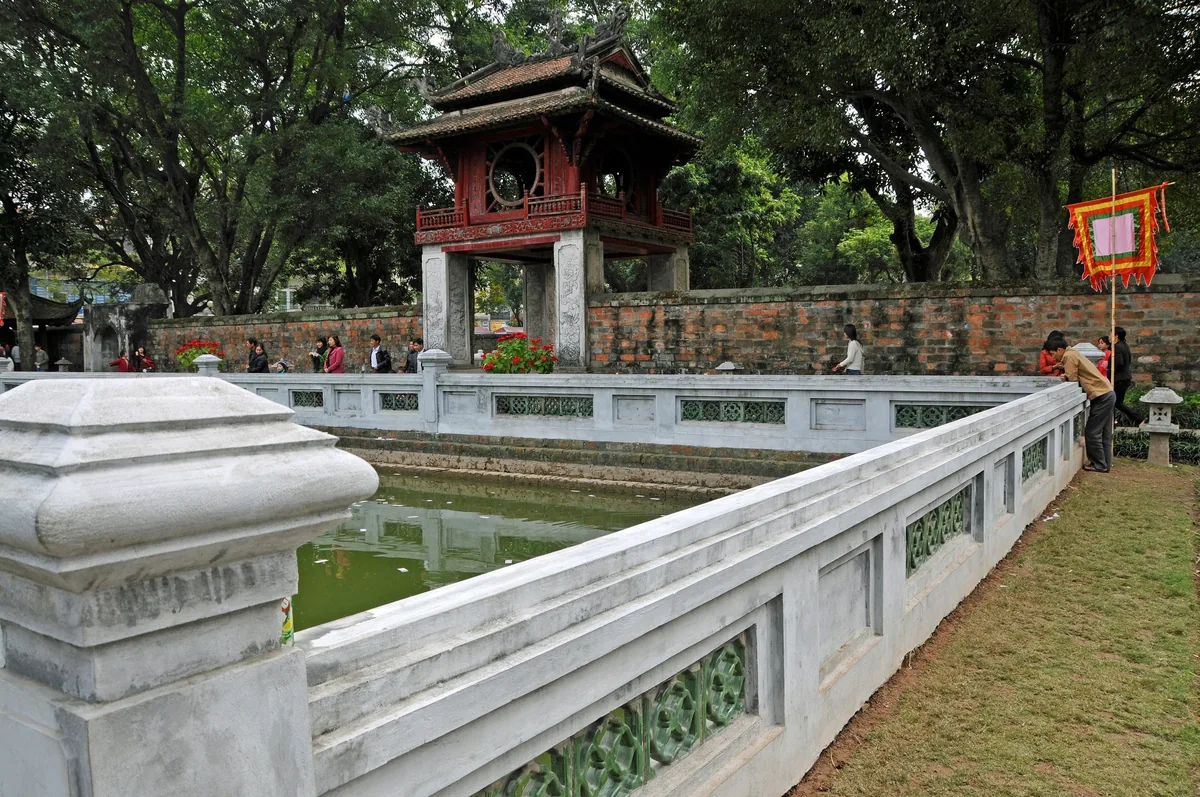
Two places we would defend without qualification. The Temple of Literature, early, before the school groups, for the stelae and the quiet. And the Museum of Ethnology, a round trip of two hours, because it explains the fifty-three minority groups you will otherwise meet as a photograph in Sa Pa. Everything else is negotiable.
- Hoa Lo prison — small, uncomfortable, honest about only part of its history, and worth an hour.
- The water puppet theatre — forty-five minutes of a real folk form performed for a coach audience; how you feel about that is the whole question.
- Train street — a queue for one photograph, and not the reason you flew here.
- The Old Quarter on foot after dark with no fixed plan — what people actually describe when they get home.
Food
The eating is the third night
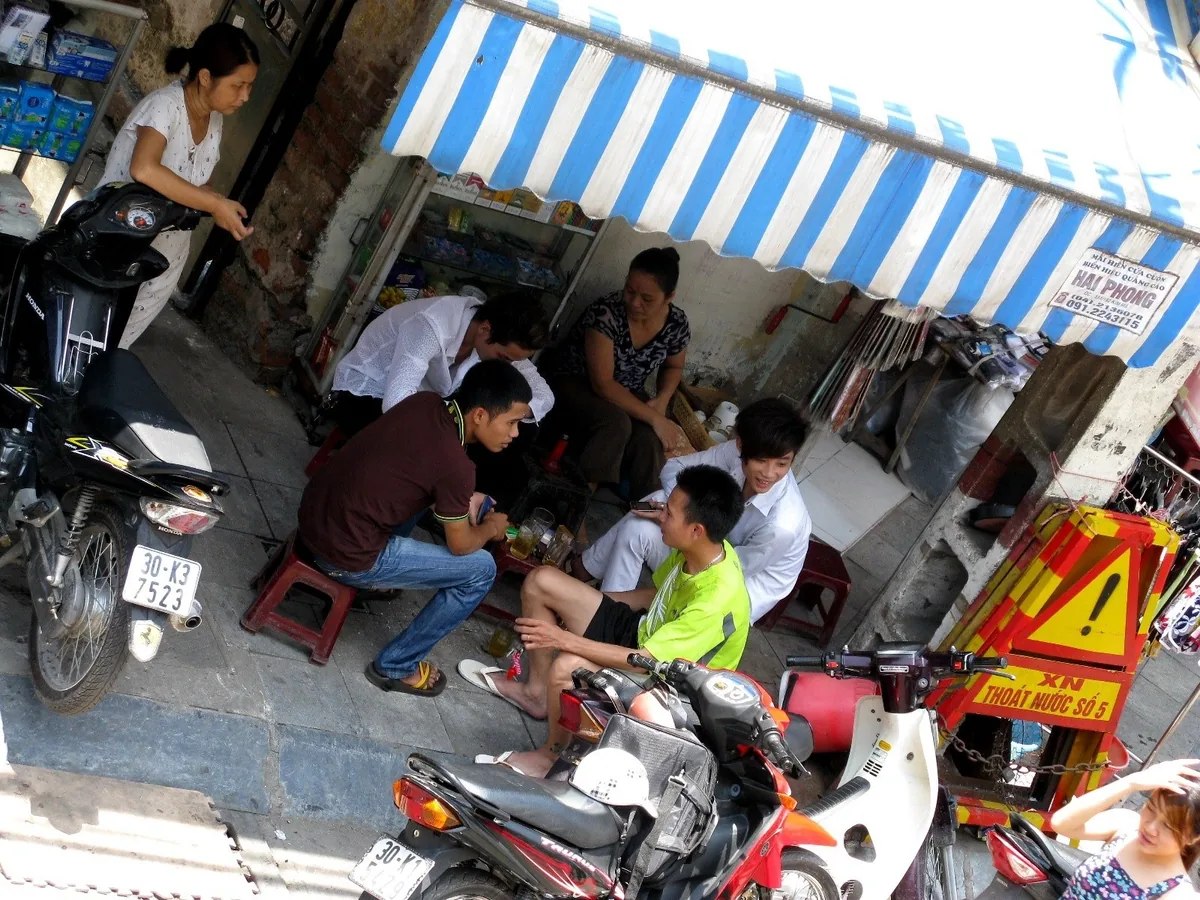
Hanoi eats on the pavement at half past six in the morning and again at six in the evening, on stools that put your knees above the table. The northern kitchen is not the one exported abroad: pho here is clearer, less sweet and barely garnished; bun cha is a Hanoi dish rather than a national one; cha ca is a single dish that a handful of houses have cooked for generations, with nothing else on the menu. A guided eating walk on the first evening is the one piece of hand-holding we recommend without embarrassment: it teaches you how to order for the rest of the trip.
 Hanoi, early evening
Planning
How many nights, and which months
Two nights is the working minimum and enough when Hanoi opens a longer route: one full day, one slow morning before you move on. A third night buys a day trip, and the best is Ninh Binh — limestone towers in flooded rice fields two hours south, routinely mistaken for Ha Long Bay on dry land. A fourth night is hard to justify unless you are waiting out weather.
Onward
Where Hanoi goes next
Hanoi is the hinge of every northern itinerary, and the shape of the trip depends on whether the bay, the mountains or the road south comes first. Our usual order is bay before mountains — the boat is easier to enjoy before two days of walking than after.
| Next leg | How long | What to know |
|---|---|---|
| Ha Long or Lan Ha Bay | 2.5 hours by road | 170 km of expressway; boats board around midday. |
| Sa Pa | 5 to 6 hours by road, or an overnight train to Lao Cai plus an hour uphill | The expressway ended the old nine-hour drive; the train is still the more comfortable arrival. |
| Hue or Da Nang | 1 hour 15 by air; 13 to 14 hours by train | We fly this unless the train is the point — only the coast north of Da Nang is worth staying awake for. |
| Luang Prabang, Laos | 1 hour 10 by air; two to three days by road via Dien Bien Phu | The Tay Trang land gate works, but the Lao e-visa is not valid there — visa on arrival only. |
Entry
Arriving on paper
British, French, German, Italian, Spanish, Nordic, Japanese and South Korean passports hold 45 days visa-free, and a separate 45-day tourism scheme runs to August 2028 for the Netherlands, Belgium, Switzerland, Poland, Czechia and others. American, Australian and Canadian passports are not covered and use the e-visa, which is open to every nationality and runs up to 90 days.
Two rules decide whether arrival goes smoothly. A pre-arrival declaration is now compulsory at every Vietnamese airport and is filed no more than three days before you land. And an e-visa ties you to the entry and exit gates named on the application — they cannot be changed afterwards, so a route that flies in and leaves overland into Laos must say so from the start. We do not publish visa fees: the current figure is on the official portal, and your coordinator confirms it before you travel.
Start in the north.
Plan My Trip
Tell us your dates
We will tell you whether the bay, the mountains or the road south should come first.
Common questions
Questions travellers ask most
Is two nights in Hanoi enough?
Yes, if Hanoi is the start of a longer route rather than the trip itself. Two nights gives one full day in the city and an unhurried morning before you leave. Add a third only if you want Ninh Binh as a day trip.
Should I take the train or the road to Sa Pa?
The overnight train to Lao Cai and an hour up the hill, if you would rather not lose a daylight half-day. The road is five to six hours on the expressway and makes sense when you are stopping somewhere on the way.
When is Hanoi at its worst?
Late January and February, when the drizzle sets in and the cloud does not lift for days at a time. It is not cold enough to be dramatic, only grey enough to be disappointing, and the northern mountains are worse in the same weeks.
Journey ideas
Where a private route could take you
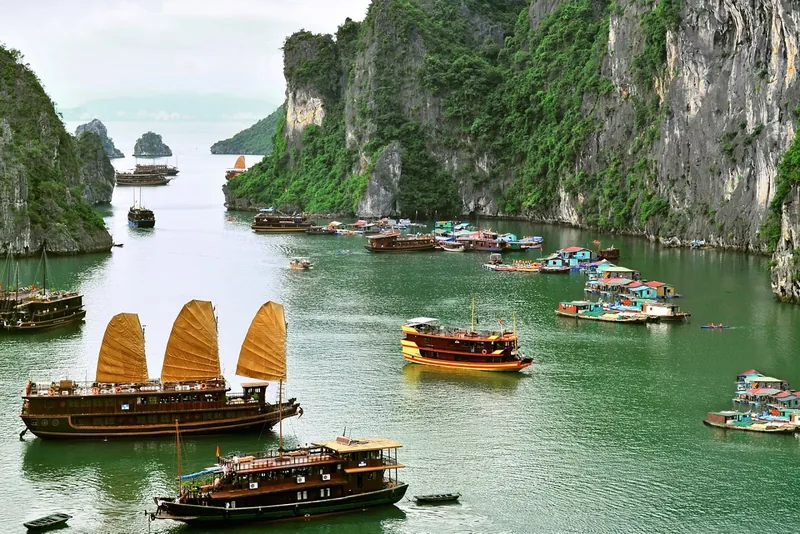
Vietnam
Ha Long Bay
One night on a boat, usually on the way in or out of Hanoi.
View journey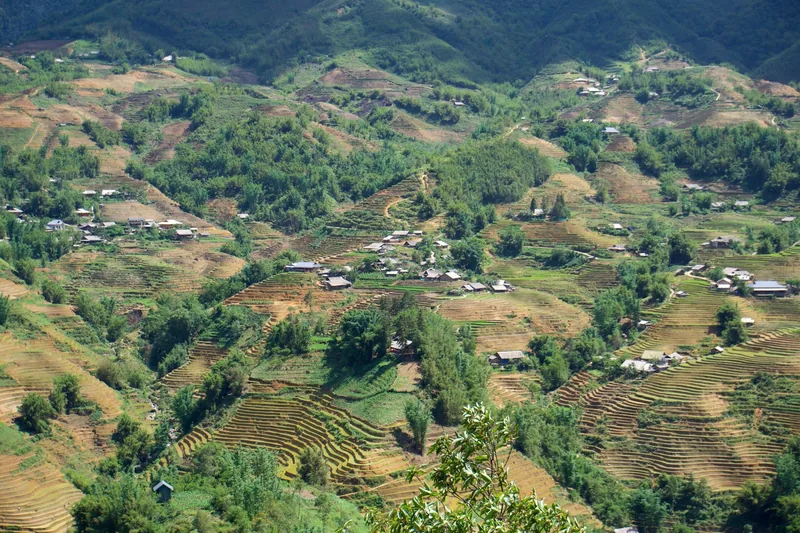
Vietnam
Sa Pa
Two nights in the hills, walking out of the town rather than around it.
View journey
Destinations
Vietnam
Three regions, three climates, and the border gates that make a two-country trip work.
View journey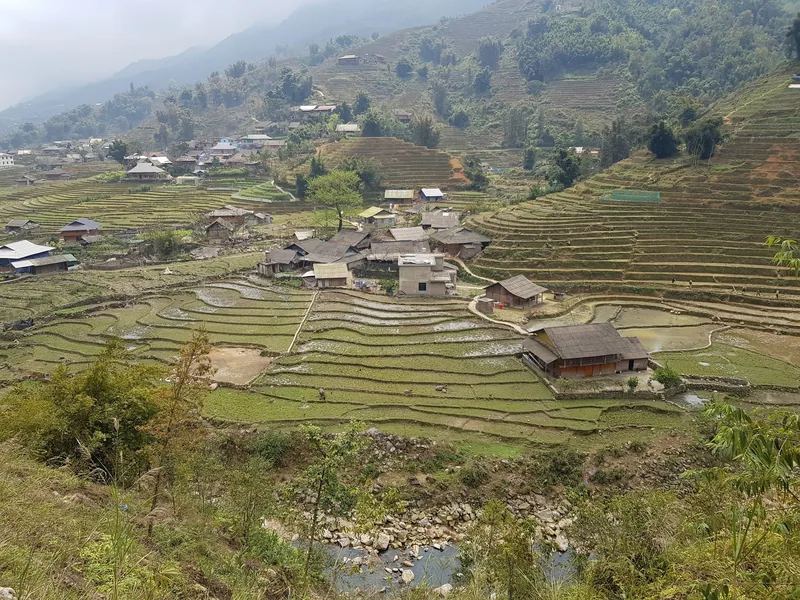
Example itinerary — fully customizable
Northern Vietnam
Seven days north of Hanoi, with a night on the water and a night on the train.
View journey
Start planning
Let’s plan your journey
Five quick questions. Your coordinator will take it from there.
Prefer to talk? WhatsApp or call+84 904 511 319