Cambodia
Kampot & Kep
Two small towns forty minutes apart, a river under a mountain, the best pepper in the world, and the border gate that reaches Ha Tien and Phu Quoc.
Kampot & Kep
Two small towns, one pepper region
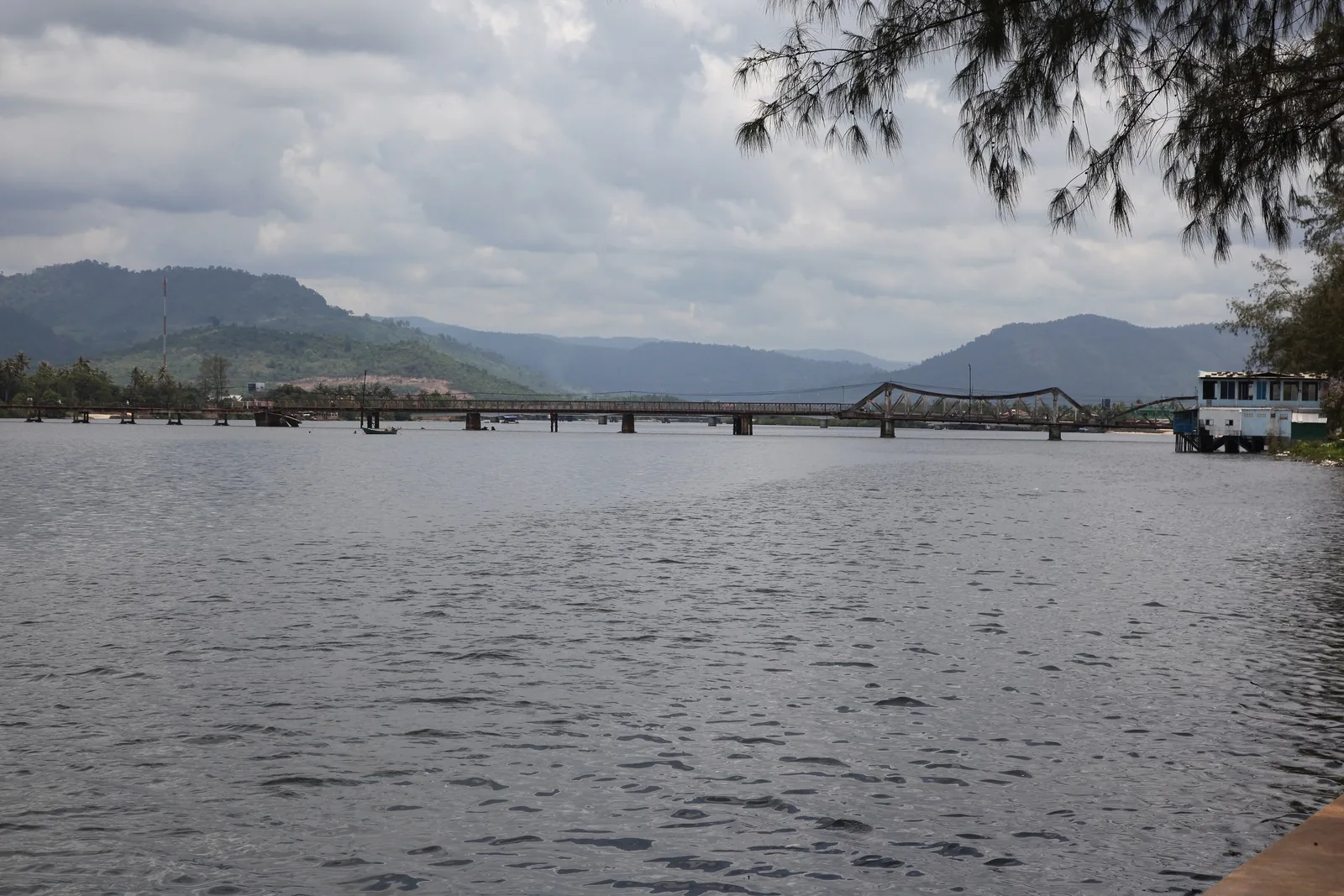
Kampot is a river town of low shophouses under a mountain, with a wide brown river running past it to the sea and almost nothing to do in the best sense. Kep, forty minutes east, is stranger and better: a seaside resort built by the French and then by the Cambodian elite in the 1950s and 60s, abandoned during the war years, and now a scatter of ruined modernist villas in overgrown gardens with a working crab market on the shore below. Neither is a beach destination — the water is brown with river silt and the sand is thin — and anyone sold one as such will be disappointed.
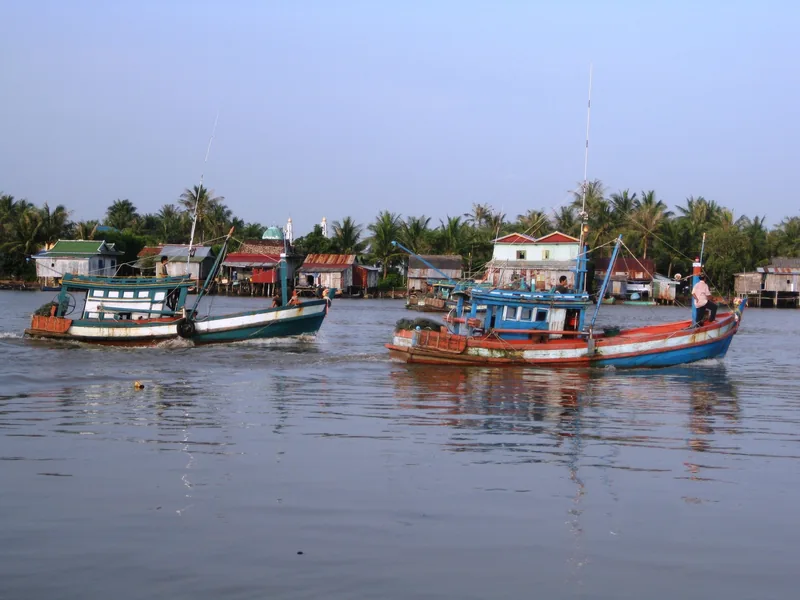
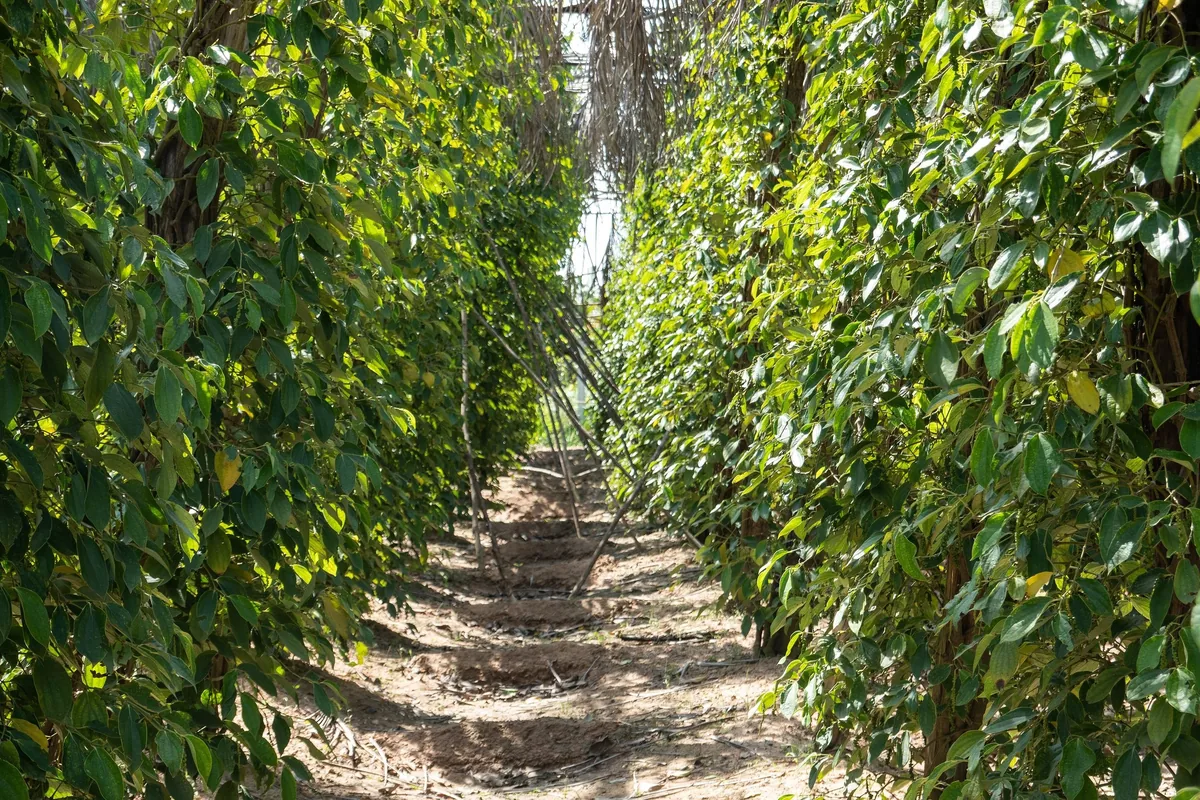
What the region offers is pepper, seafood, a mountain and a pace. Kampot pepper is a protected origin product grown on smallholdings in the hills between the two towns, picked green, red or dried black, and it is genuinely the best in the world rather than marketed as such. The crabs at Kep are cooked with it green, twenty metres from the boats that landed them. That combination is why this corner is on our routes at all, and why so many two-country trips end here rather than in Phnom Penh.
What to do
The mountain, the crab and the water
Bokor is the excursion everyone asks about and the one that needs managing. A good road climbs thirty-odd kilometres to a plateau at about a thousand metres, where a French hill station was abandoned in the 1970s — a church, a ruined palace hotel, and cloud. The cloud is the problem: the plateau sits in it for much of the year, and a large casino development now occupies a good part of the view. On a clear morning the drive and the coastal panorama are worth half a day. On a grey one there is nothing up there at all.
- The crab market at Kep, at lunch, with green pepper. The single best meal in southern Cambodia.
- A pepper farm between the two towns — an hour, and the growers explain the three colours properly.
- The Kep villa trail: ruined 1960s modernist houses in the trees, walkable and unsignposted.
- Sunset on the Kampot river by boat, with fireflies in the mangroves when the moon is down.
- Koh Tonsay, twenty minutes by boat from Kep. Shabbier than it was, and a morning rather than a night.
Seasons
Pepper, and the months it is picked
November to February is the best time to be here — warm, bright, and cool enough after dark to sit outside. The pepper harvest runs from roughly February into May, the most interesting time to visit a farm and also the hottest part of the year on the coast. From June the monsoon brings afternoon rain and a choppy sea; the boat to Koh Tonsay runs less reliably and Bokor is under cloud almost daily. Nothing closes in the rains, but the mountain is pointless in them.
- November to February
- Dry, clear and the best of the year. Book ahead over Christmas and new year.
- February to May
- The pepper harvest, and increasingly hot — over 35°C inland by April.
- June to October
- Rain in the afternoons, a brown sea, and Bokor in cloud. The countryside is at its greenest.
- How long
- Two nights covers both towns. Three is what people actually want once they are here.
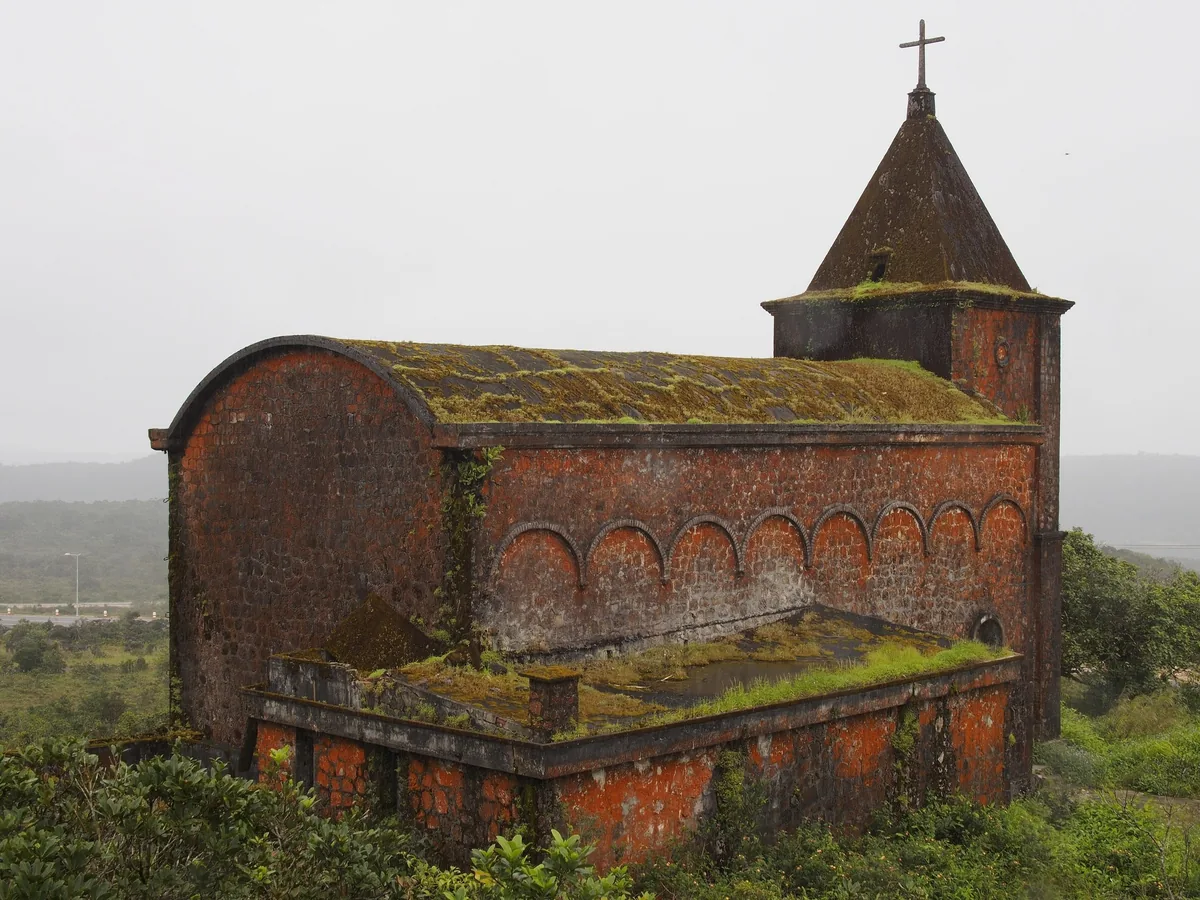 Bokor
BokorBorders
The gate to Ha Tien and Phu Quoc
This is the reason Kampot and Kep sit where they do on a multi-country route. The Prek Chak crossing is about forty kilometres from Kep, roughly an hour, and it puts you eight kilometres from Ha Tien on the Vietnamese coast, from where a fast ferry reaches Phu Quoc in about an hour and a quarter. A trip that runs Phnom Penh – Kampot – Kep – Ha Tien – Phu Quoc finishes on an island beach without a single internal flight, which is a shape almost nobody plans for themselves.
| Onward leg | How long | What to know |
|---|---|---|
| Kep to Prek Chak border | About 1 hour, 40 km | Entering Cambodia here is a visa on arrival; the e-visa is not valid. |
| Border to Ha Tien, Vietnam | 8 km, about 20 minutes | A Vietnamese e-visa must name Ha Tien as its entry gate. |
| Ha Tien to Phu Quoc by fast ferry | About 1 hour 15 | Weather-dependent from May to September. |
| Kampot to Phnom Penh | 3 to 3.5 hours by road | The way back north, and the usual route to the airport. |
The Cambodian e-visa is accepted at only two land gates — Bavet, from Vietnam, and Trapeang Kriel, from Laos. Prek Chak is not one of them, so entering Cambodia here means a visa on arrival in US dollars cash with a passport photo: carry both. The e-arrival card applies to air arrivals only. In the other direction, a Vietnamese e-visa fixes the entry and exit gates when you apply and they cannot be changed, so a Ha Tien crossing has to be decided before the visa is issued. We do not publish visa fees: the current figures are on the official portals and your coordinator confirms them before you travel.
Finish slowly, or carry on into Vietnam.
Plan My Trip
Tell us your dates
We will tell you whether Bokor will be clear, and what the Prek Chak crossing needs from your paperwork.
Common questions
Questions travellers ask most
Is Kampot a beach destination?
No. The water along this coast is brown with river silt and the sand is thin. Kampot is a river town and Kep is a ruined hill-and-sea resort with a crab market; for a beach finish, carry on to Phu Quoc, which is a ferry and a short drive away.
Can I use my Cambodian e-visa at the Ha Tien border?
No. The e-visa is listed for Bavet and Trapeang Kriel only. At Prek Chak, the gate used for Ha Tien and Phu Quoc, you buy a visa on arrival in US dollars cash and you need a passport photo with you.
How many nights do Kampot and Kep need?
Two nights covers both towns, a pepper farm, the crab market and an evening on the river. A third is worth having if Bokor is clear or if this is the last slow stop before you fly home.
Journey ideas
Where a private route could take you
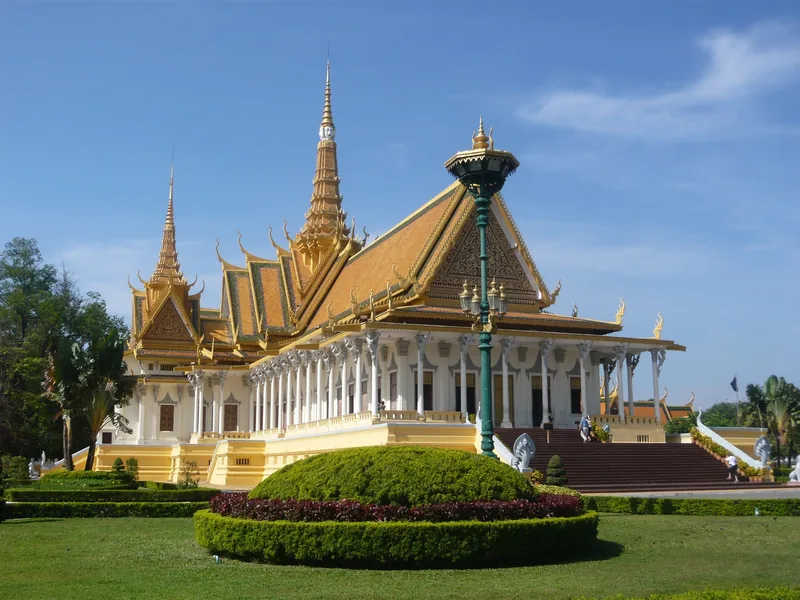
Cambodia
Phnom Penh
Two nights on the river, and the gate to southern Vietnam.
View journey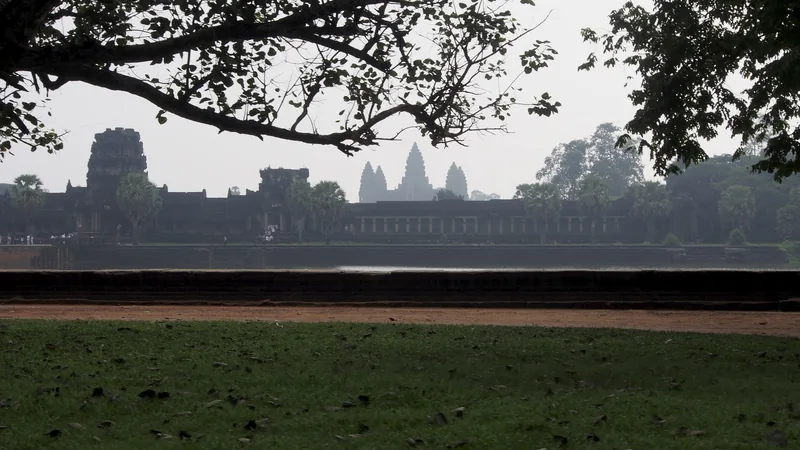
Destinations
Cambodia
Angkor, the river towns, and the land gates that still work.
View journey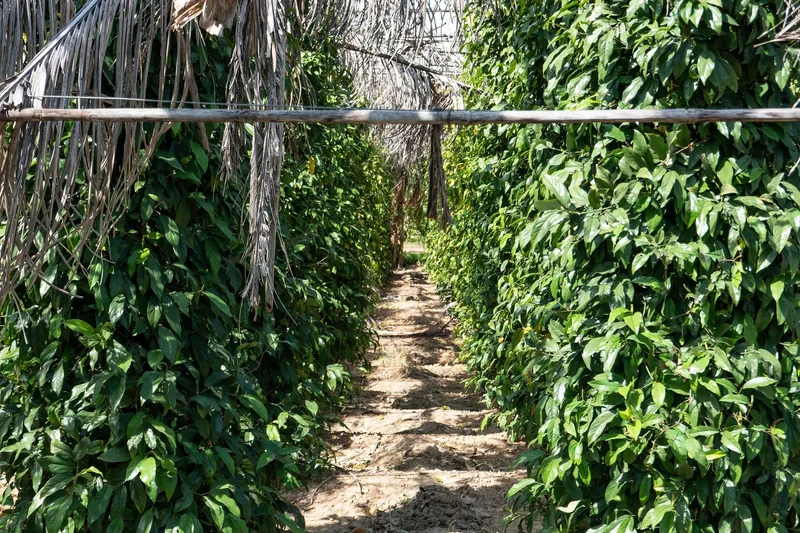
Example itinerary — fully customizable
Angkor to the coast
Eight days from the temples to the pepper farms, all of it by road.
View journey
Example itinerary — fully customizable
Vietnam & Cambodia
Fourteen days, two countries, one land border — Hanoi to Angkor.
View journey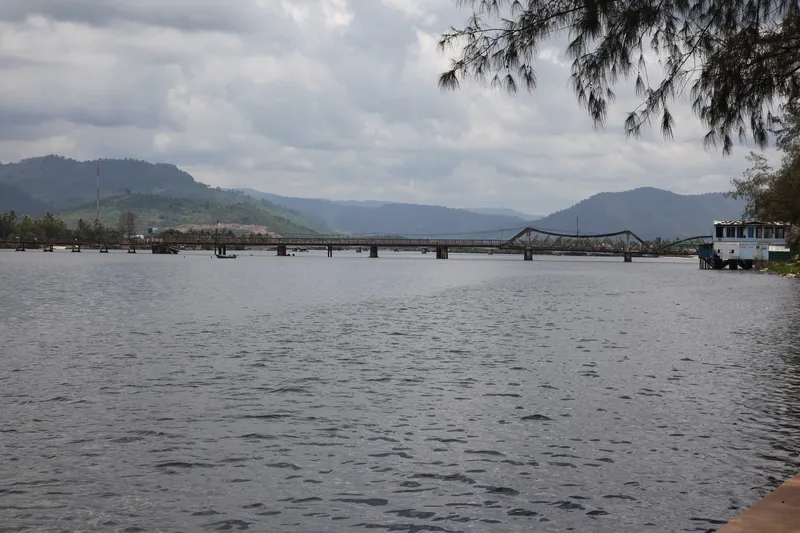
Start planning
Let’s plan your journey
Five quick questions. Your coordinator will take it from there.
Prefer to talk? WhatsApp or call+84 904 511 319