Cambodia
Phnom Penh
A working capital where three rivers meet, with the best Khmer sculpture in the world in one building and the country’s hardest history in two others.
Phnom Penh
A capital where three rivers meet
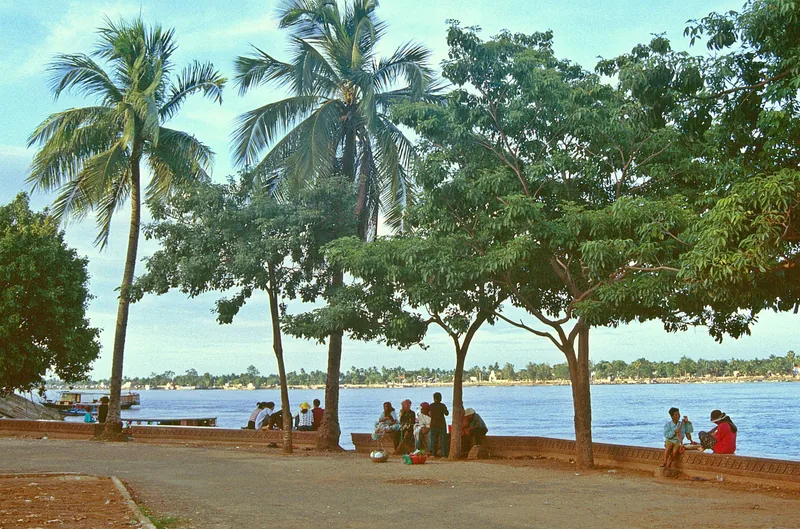
Phnom Penh stands at the point the Khmer call the four faces: the Mekong arrives from the north, the Tonle Sap river joins it from the west, and the two leave again as the Mekong and the Bassac. Once a year the Tonle Sap river runs backwards and fills the lake behind it — the piece of hydrology the country’s rice and fish have depended on for a thousand years, and which the city still marks with a boat festival.
What that produces is a working capital rather than a visitor town: traffic, construction, a river promenade full of people at six, and a food scene that has moved a long way in a decade. Travellers arriving from Siem Reap often find it abrasive for an afternoon and then stop noticing. Two nights is right for most routes.
History
Tuol Sleng and Choeung Ek
Tuol Sleng was a secondary school until 1975, when the Khmer Rouge turned it into a prison and interrogation centre. Thousands of people were held, tortured and killed there over the next four years; very few came out. Choeung Ek, fifteen kilometres south, is the orchard where most of the prisoners were taken to be executed and buried, one of several hundred such sites across the country. Both are memorials now and both are plainly presented: the photographs, the cells and the excavated graves are there to be looked at.
These are demanding places. People come out of them quiet, and some want to see nothing else that day. Take the audio guide at both — it is narrated in part by survivors and it is the difference between horror and understanding. Allow half a day, go in the morning, and plan nothing that needs concentration afterwards. We do not recommend either site for young children, and we say so at the planning stage rather than at the gate.
 The National Museum
What to do
The rest of the two days
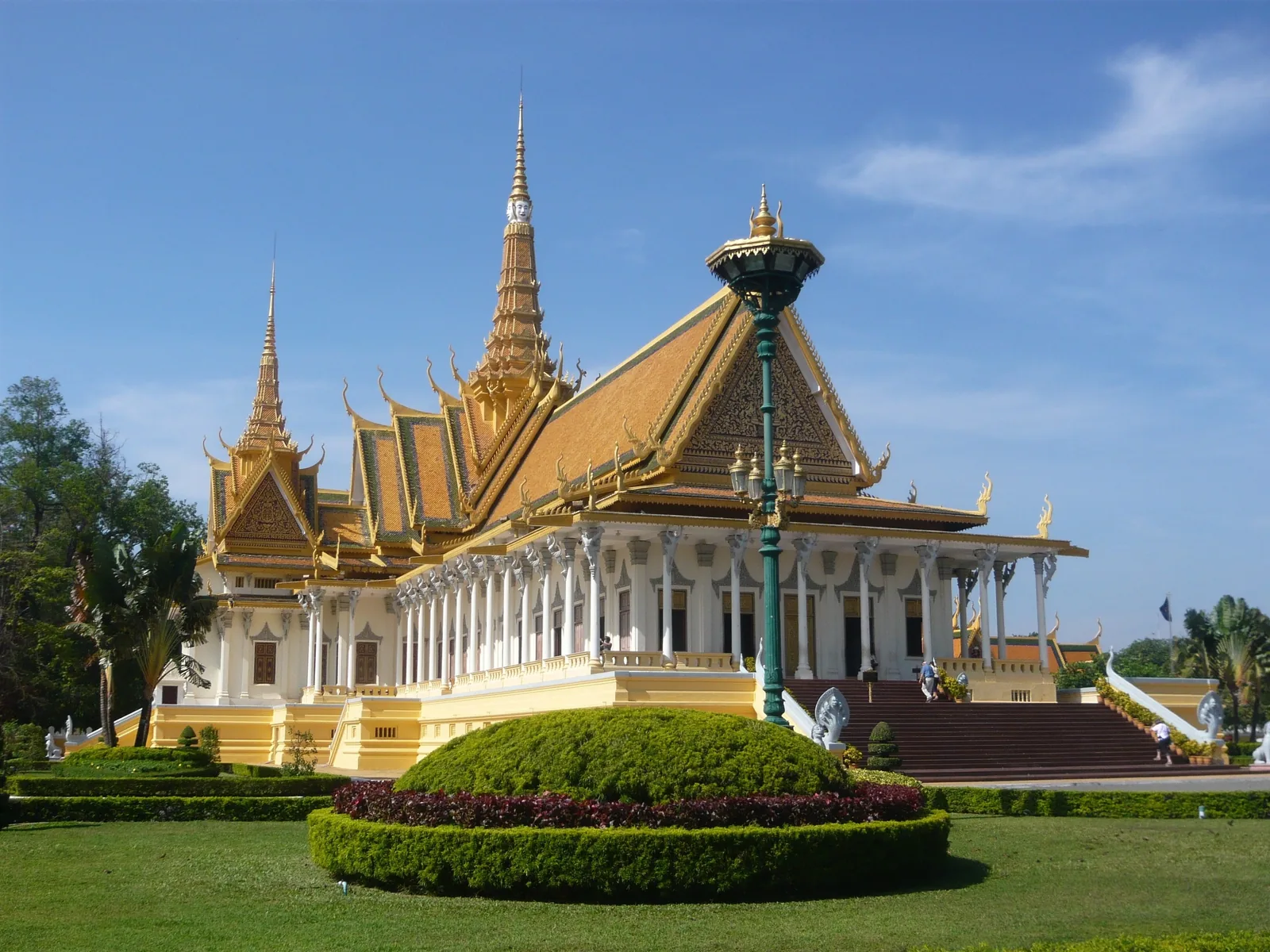
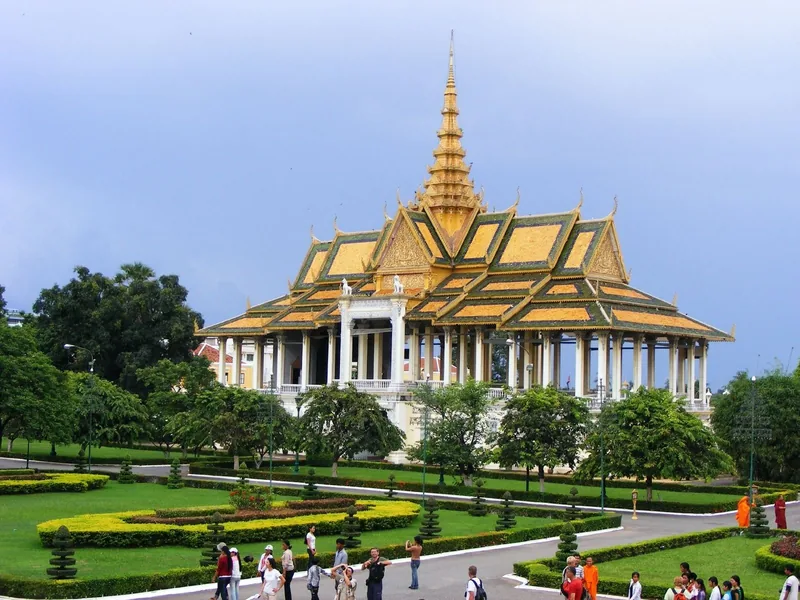
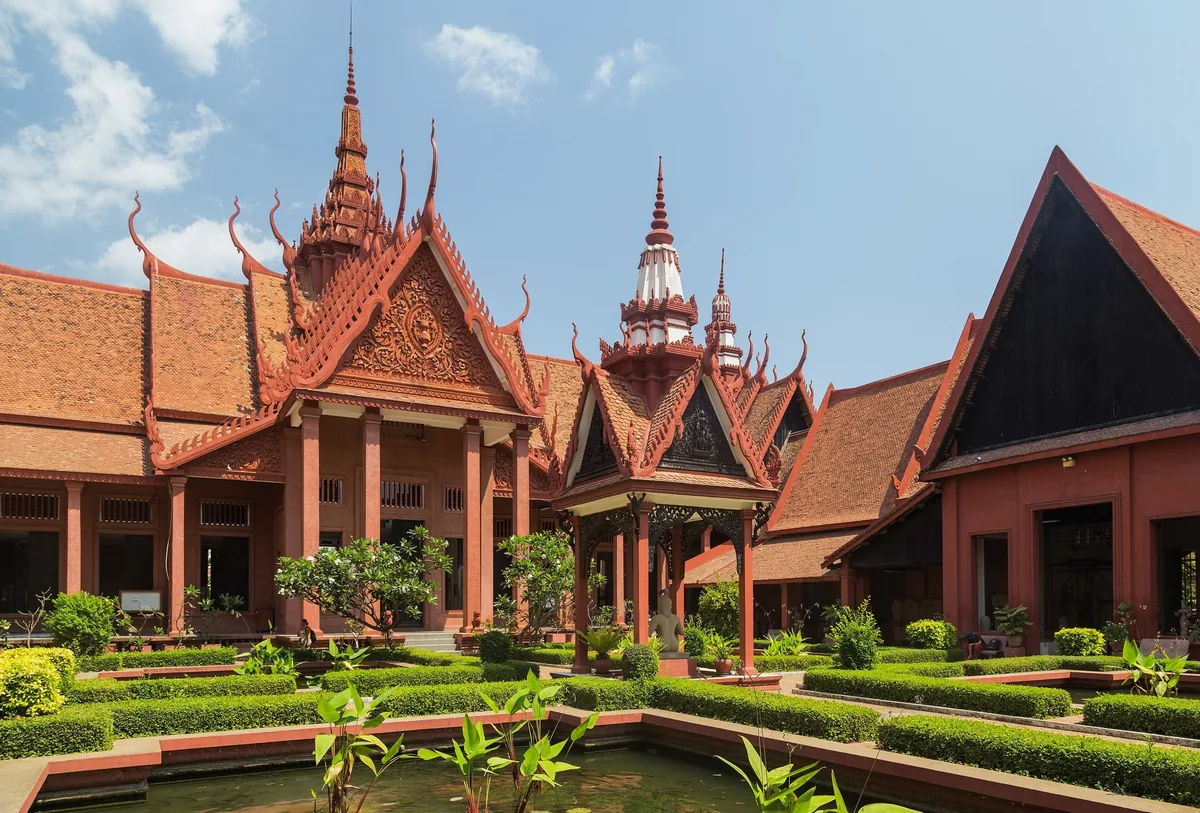
The National Museum holds the best collection of Khmer sculpture anywhere, and it is the most useful hour in the country if you take it before Angkor rather than after: the statues here are the ones missing from the temples. Next door, the Royal Palace and Silver Pagoda are a working royal residence — part closed, a dress code of covered shoulders and knees, and shut over the middle of the day. Go early.
- The National Museum, an hour and a half, before you see the temples.
- The Royal Palace and Silver Pagoda, an hour, early, dressed for it.
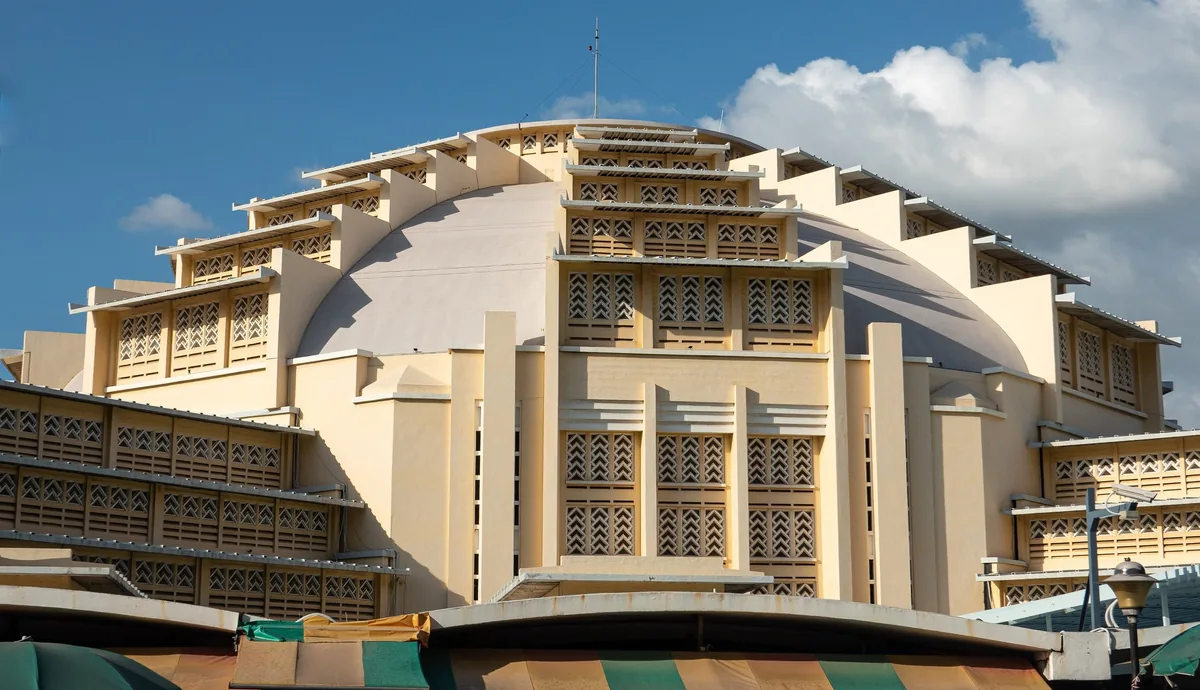
- The Russian Market for cloth and silver; the Central Market for the 1937 art deco dome rather than the merchandise.
- An hour on the river at dusk — the one thing here that is purely pleasant.
- The shooting ranges outside the city, advertised everywhere, which we will not book.
Planning
When to come, and how long to stay
The seasons are those of lowland Cambodia, but the city feels them more: dry and bearable from November, genuinely hot from March with streets that hold heat into the night, and from June heavy late storms that flood some roads for an hour at a time. September and October are the wettest weeks and the months the rivers are at their most impressive.
Borders
The junction: road, river and the Vietnamese gate
Phnom Penh is where a Cambodian route decides what it becomes: southwest to the pepper coast, southeast to Vietnam, northeast up the Mekong towards Laos, or back to Siem Reap. Bavet is the busiest land border in mainland Southeast Asia and one of only two Cambodian gates where the e-visa is accepted, which is why so many two-country trips are built around it.
| Onward leg | How long | What to know |
|---|---|---|
| Bavet to Moc Bai, for Ho Chi Minh City | 6 to 7 hours by road | The Cambodian e-visa is accepted here; a Vietnamese e-visa must name Moc Bai. |
| Kampot and Kep | 3 to 3.5 hours by road | The coast route, and the way towards Ha Tien and Phu Quoc. |
| Siem Reap | 5.5 to 6 hours by road, or 45 minutes by air | Battambang splits the drive if you would rather not fly. |
| Chau Doc, Vietnam, by river | About 5 hours on the Bassac | Seasonal; immigration is cleared at a river post. |
Cambodia sells no visa-free entry to European, North American, Australian or Northeast Asian passports. The e-visa is 30 days, single entry, and accepted at Bavet and Trapeang Kriel and at no other land gate — at Prek Chak, the crossing for Ha Tien and Phu Quoc, it is a visa on arrival in US dollars cash with a passport photo. We do not publish fees: your coordinator confirms the current figure.
Two nights, then the road east.
Plan My Trip
Tell us your dates
We will tell you whether to drive to Vietnam or fly, and how to order the two difficult hours.
Common questions
Questions travellers ask most
Should I visit Tuol Sleng and Choeung Ek?
Most travellers should, and almost all are glad they did — the two sites together are the clearest account of what happened in Cambodia between 1975 and 1979, and they are presented without euphemism.
They are demanding. Take the audio guides, go in the morning, leave the rest of the day loose, and do not take young children.
Is two nights enough in Phnom Penh?
Yes for a route that is heading on to Vietnam or the coast. Two full days cover the palace, the National Museum, the two memorial sites and a market, with one evening on the river left over.
Is the road to Ho Chi Minh City straightforward?
It is the most-used land crossing in the region: six to seven hours door to door, with the border in the middle. The Cambodian e-visa is valid at Bavet, and a Vietnamese e-visa has to name Moc Bai as the entry gate when you apply, because the gates cannot be changed afterwards.
Journey ideas
Where a private route could take you
Cambodia
Siem Reap
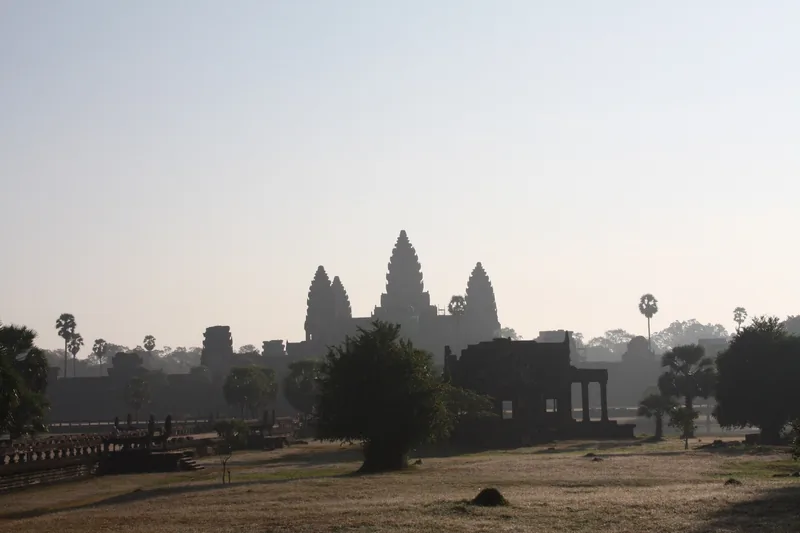
Three or four mornings at Angkor, and the town you sleep in between them.
View journey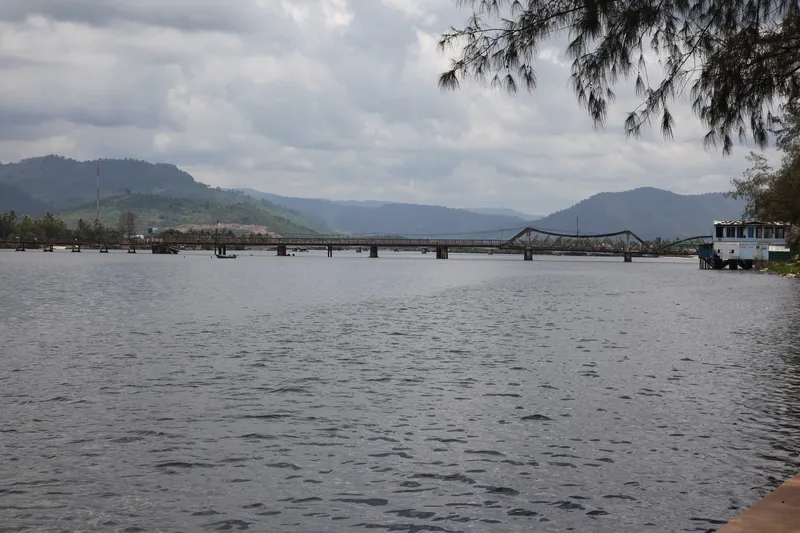
Cambodia
Kampot
Two or three slow nights, and the quietest way into Vietnam.
View journey
Destinations
Cambodia
Angkor, the river towns, and the land gates that still work.
View journey
Example itinerary — fully customizable
Vietnam & Cambodia
Fourteen days, two countries, one land border — Hanoi to Angkor.
View journey
Start planning
Let’s plan your journey
Five quick questions. Your coordinator will take it from there.
Prefer to talk? WhatsApp or call+84 904 511 319