Cambodia
Siem Reap & Angkor
Four hundred square kilometres of temples, reservoirs and forest roads, and a small river town that exists entirely to serve them.
Siem Reap
A park the size of a county, with a town attached
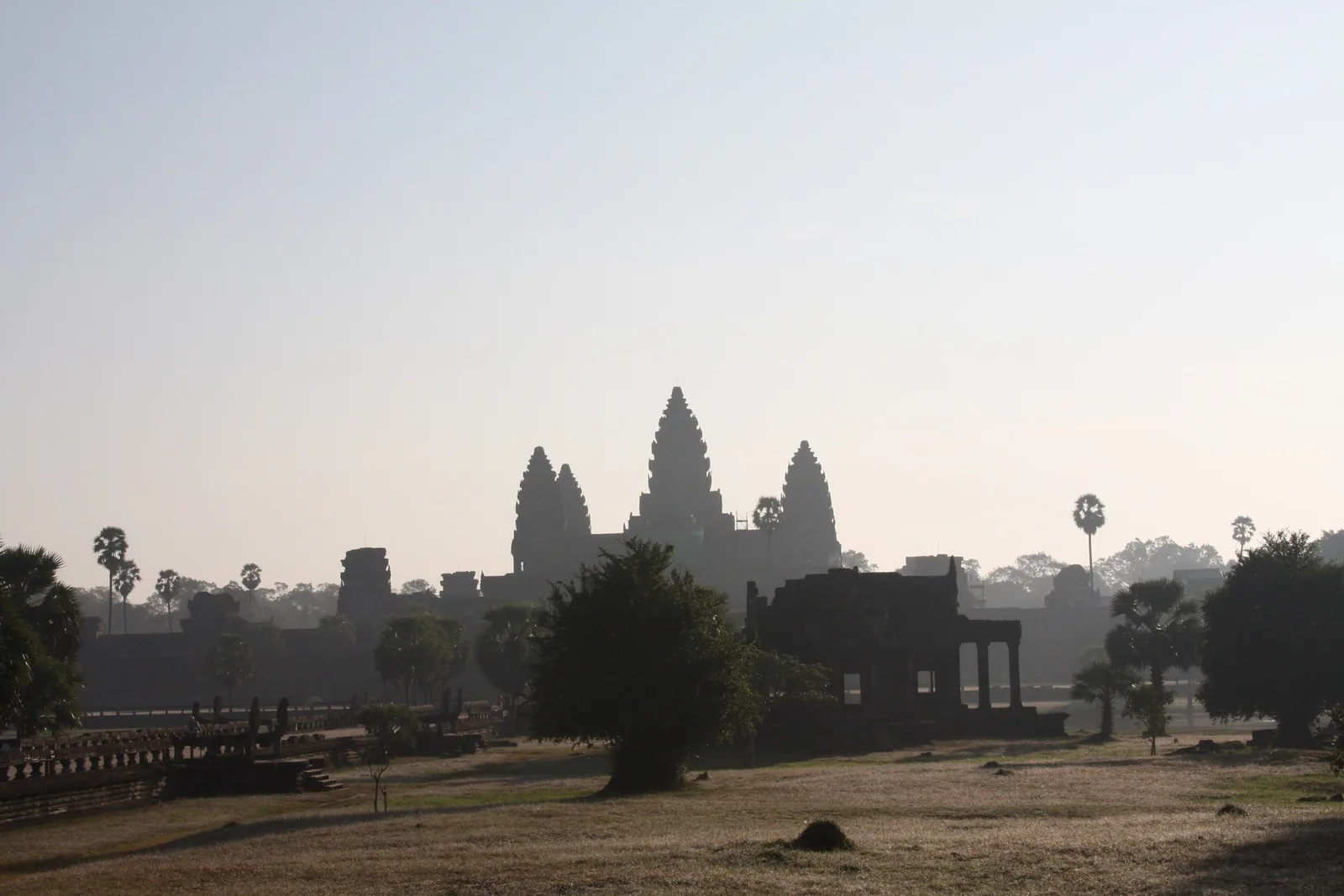
Angkor is not a building. It is the remains of a capital region that ran for six centuries across something like four hundred square kilometres — temples, walled cities, canals and reservoirs in farmland and dry forest, with a paved circuit joining the main sites and dirt roads reaching the rest. The photograph everyone arrives with shows about one per cent of it, and knowing that is the difference between three satisfying mornings and three days of stone fatigue.
Siem Reap itself is a small river town of French shophouses and a colonial market, with hotels and restaurants grown up around the ticket gate. Three or four nights is the right allowance; the town is where you sleep rather than the reason to come.
Priorities
Which temples, and in what order
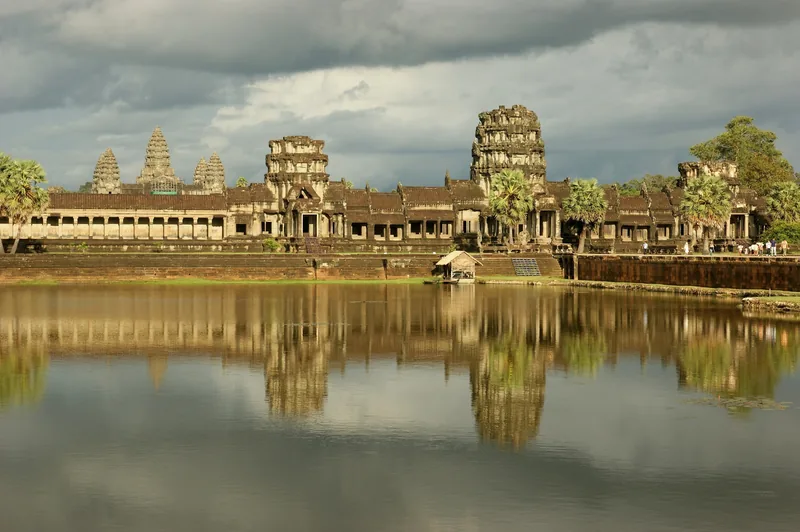
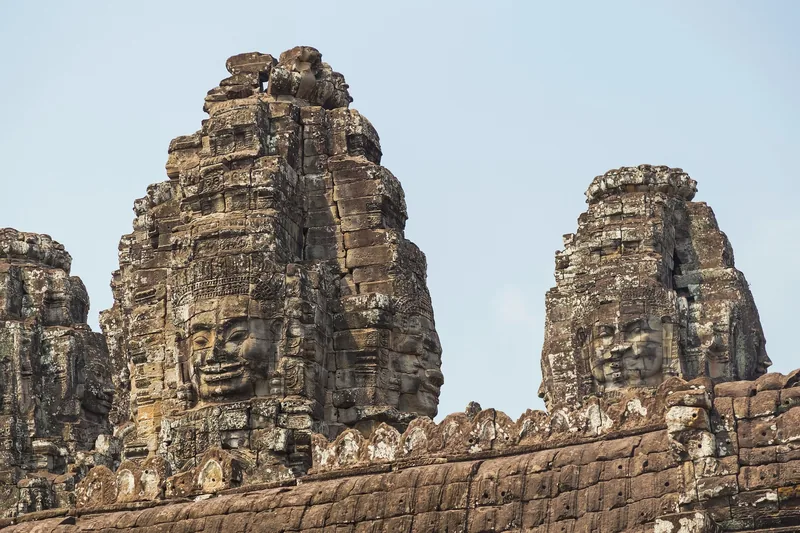
The order matters more than the list. We start at Angkor Thom rather than Angkor Wat: Bayon’s faces are best in the first two hours of the day, and the walled city absorbs crowds far better. Angkor Wat is better late in the afternoon from the west.
- Bayon and Angkor Thom — the walled city, the terraces and the face towers. A long morning, and the one most people rate highest.
- Angkor Wat — two hours inside the enclosure, plus the upper level if the queue is short.
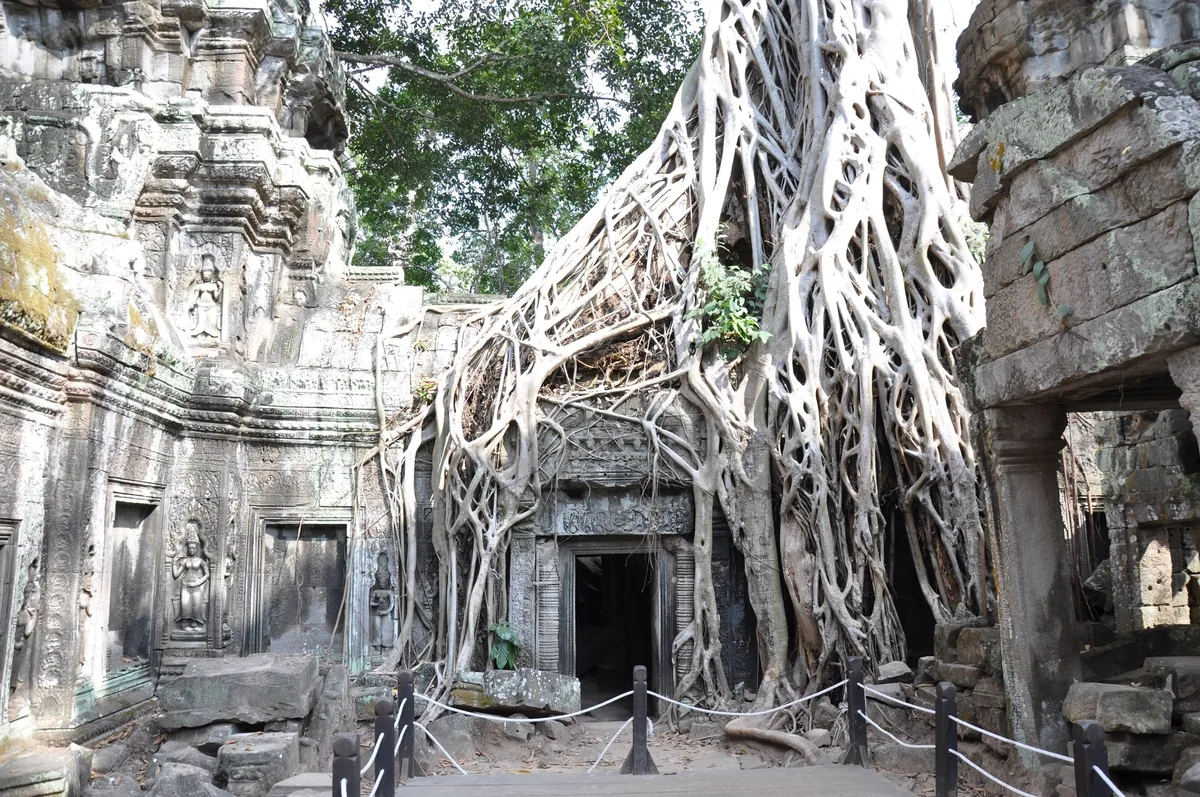
- Ta Prohm — the temple with the trees growing through it. Forty minutes, early.
- Banteay Srei — an hour northeast, small, pink sandstone, the finest carving in the country.
- Beng Mealea or Preah Khan — collapsed, unrestored and quiet. The half-day that separates a good Angkor visit from a standard one.
- Sunset from Phnom Bakheng — numbers on the hill are capped, so you queue for a view a temple terrace gives you free. We leave it out.
The famous sunrise, honestly: several thousand people stand at the northern pond from half past five, and both the reflection and the crowd are real. We put it on the last morning rather than the first, when you know the site well enough to walk away as soon as the sky has done its work.
Tonle Sap
The lake, and which village is worth the drive
Tonle Sap changes size several times over across the year, because the river feeding it reverses when the Mekong floods, and the villages are built for that: houses on six-metre stilts, or floating outright. Three are commonly sold and they are not comparable. Chong Kneas is closest and the one we do not use. Kampong Phluk, an hour out, is a working stilt village and the usual choice. Kampong Khleang is largest and furthest, and the one where you are not the main event.
Timing decides it. From September to November the water is high and the boats reach the flooded forest. From February the lake retreats and by April the boats land a long way from the houses; in those months we would rather send you back to the temples.
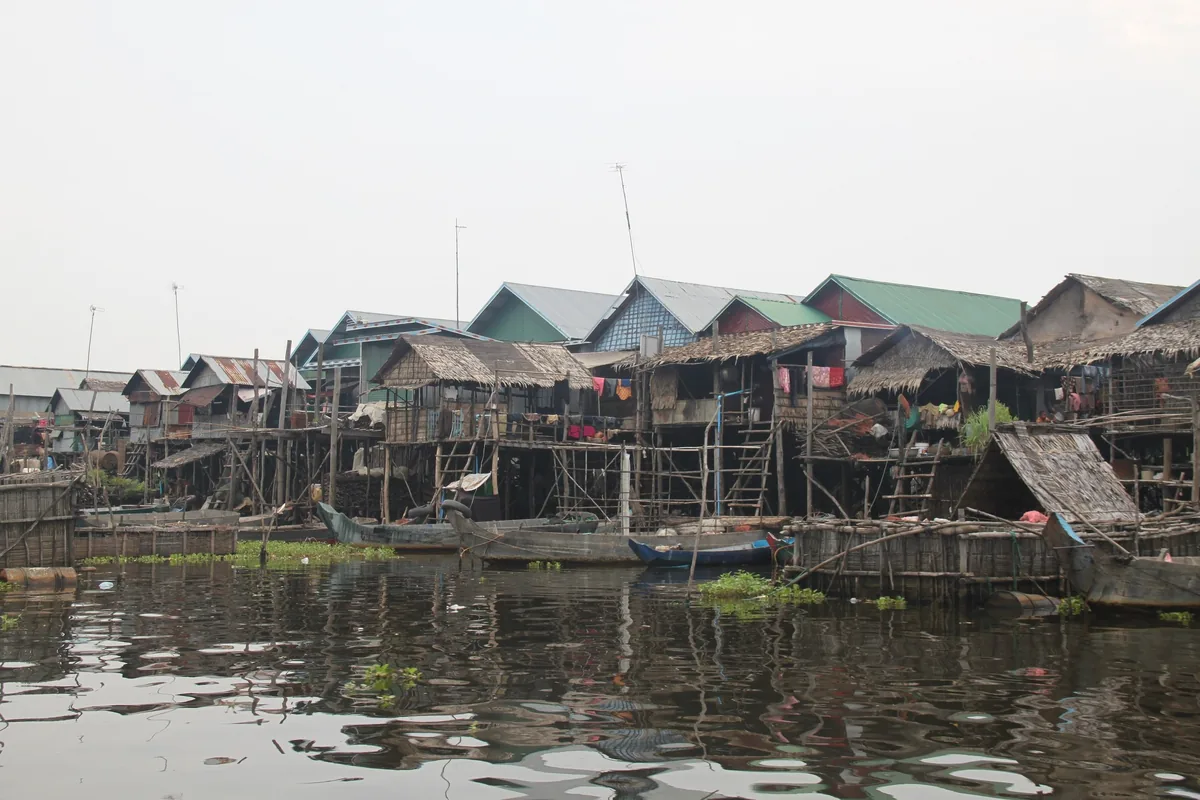 Kampong Phluk
Practicalities
Passes, hours and the months that punish you
The pass is bought at the official ticket office on the road out of town, not at the temples, and your photograph is taken when you buy it, so it cannot be shared. Three durations are sold: one day, three days used within ten, and seven days within a month. The three-day pass fits almost every itinerary, because it allows a rest day without wasting an entry.
Onward
Getting in and getting out
The airport now sits well east of the town, so allow about an hour for the transfer rather than the fifteen minutes older guidebooks describe. Siem Reap connects south and east, but no longer west.
| Onward leg | How long | What to know |
|---|---|---|
| Phnom Penh | 5.5 to 6 hours by road, or 45 minutes by air | Flat, straight and dull; we fly it unless Battambang breaks the journey. |
| Battambang | About 3 hours by road | The natural stop south, and a river boat runs it when the water is high. |
| Bangkok | 1 hour by air | The only option: the Thai land border has been closed to tourists since June 2025. |
| Pakse and southern Laos | A long day by road via Stung Treng | Trapeang Kriel accepts the Cambodian e-visa. |
No European, North American, Australian or Northeast Asian passport enters Cambodia visa-free. The e-visa is 30 days, single entry, applied for about a week ahead; a visa on arrival is sold at the three international airports and the main land gates, in US dollars cash with a passport photo. The e-arrival card applies to air arrivals only. Your hotel registers you with the foreigner registration system as a matter of routine. We do not publish fees: your coordinator confirms the current figure.
Give Angkor four mornings.
Plan My Trip
Tell us your dates
We will tell you which temples suit your month, and whether the lake is worth the drive when you are there.
Common questions
Questions travellers ask most
How many days do I need at Angkor?
Three mornings on a three-day pass is the useful minimum: the walled city, the main temple, and one half-day out to Banteay Srei or an unrestored site. Two days covers the central circuit and nothing else.
Four nights in Siem Reap is what we book most often, because it leaves a rest day in the middle without wasting an entry on the pass.
Can I travel overland from Bangkok to Siem Reap?
No. The Thailand – Cambodia land border has been closed to tourists since 23 June 2025 and remains closed, including Poipet. The flight from Bangkok takes an hour and is the only route at present.
Is the sunrise at Angkor Wat worth getting up for?
Once, and preferably on your last morning rather than your first. Several thousand people stand at the same pond, so the value lies in knowing the site well enough to walk away from them as soon as the light has changed.
Journey ideas
Where a private route could take you
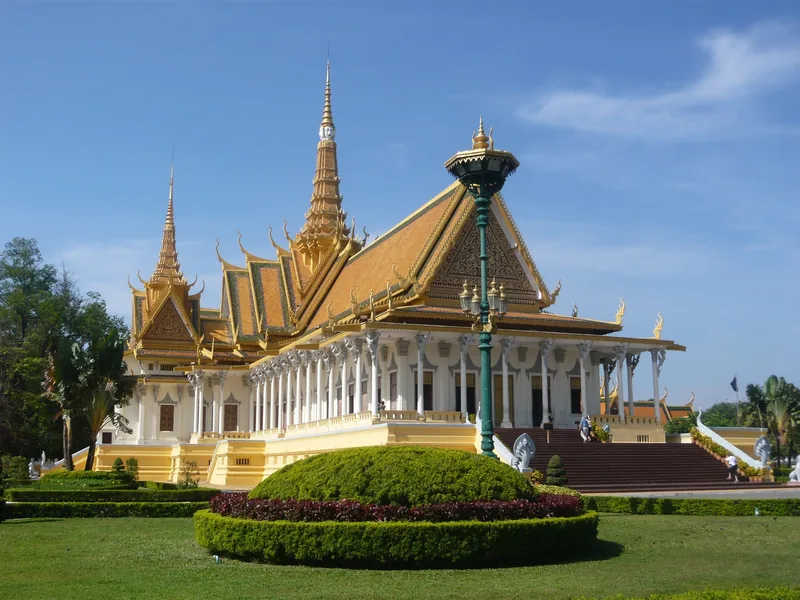
Cambodia
Phnom Penh
Two nights on the river, and the gate to southern Vietnam.
View journey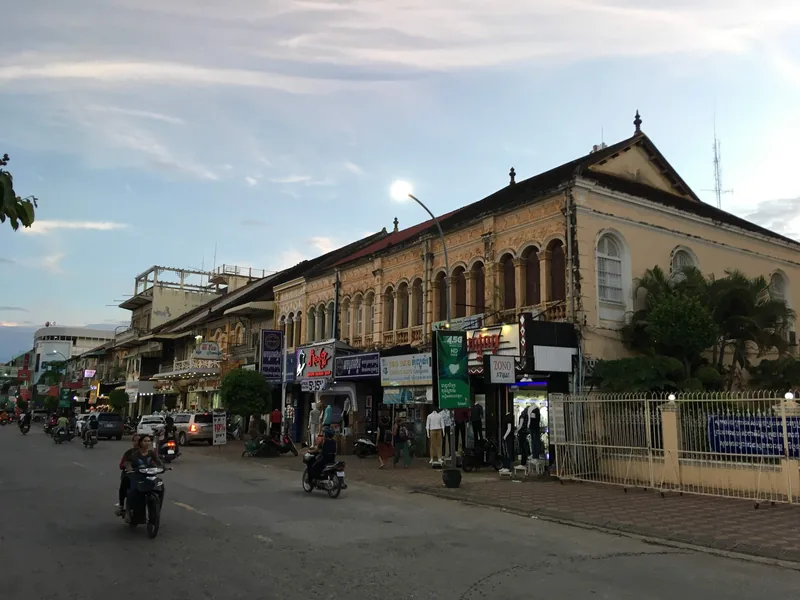
Cambodia
Battambang
One or two nights that break a long drive and earn their own keep.
View journey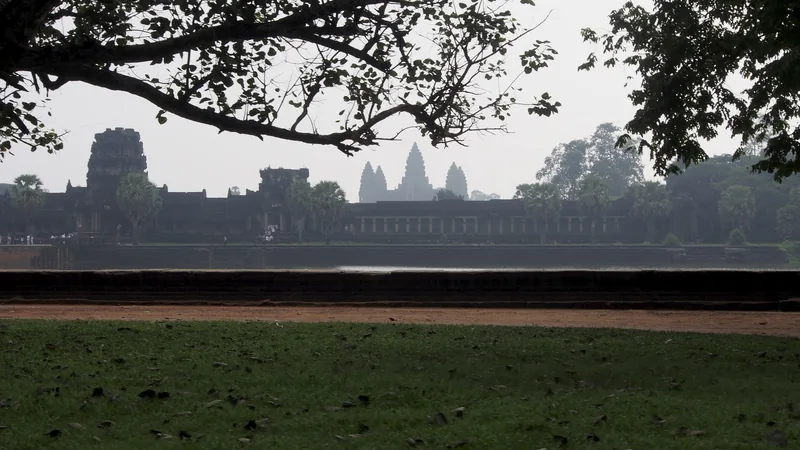
Destinations
Cambodia
Angkor, the river towns, and the land gates that still work.
View journey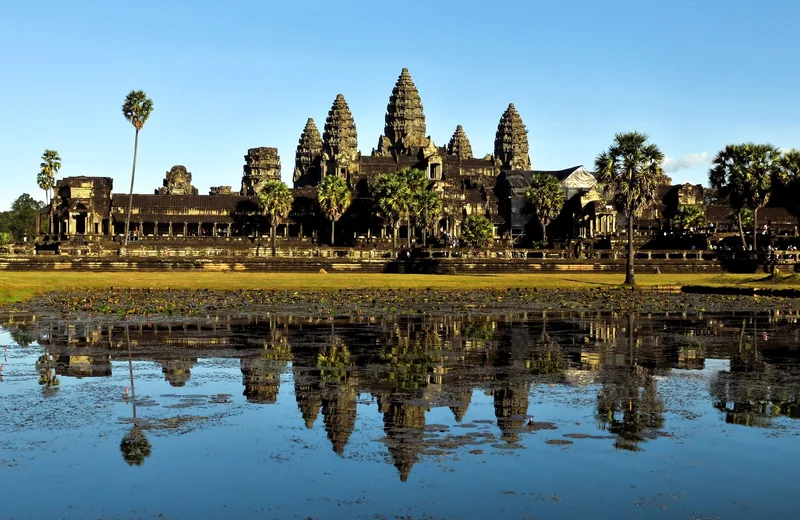
Example itinerary — fully customizable
Angkor & Phnom Penh
Six days: Angkor properly, the lake, and two days in Phnom Penh.
View journey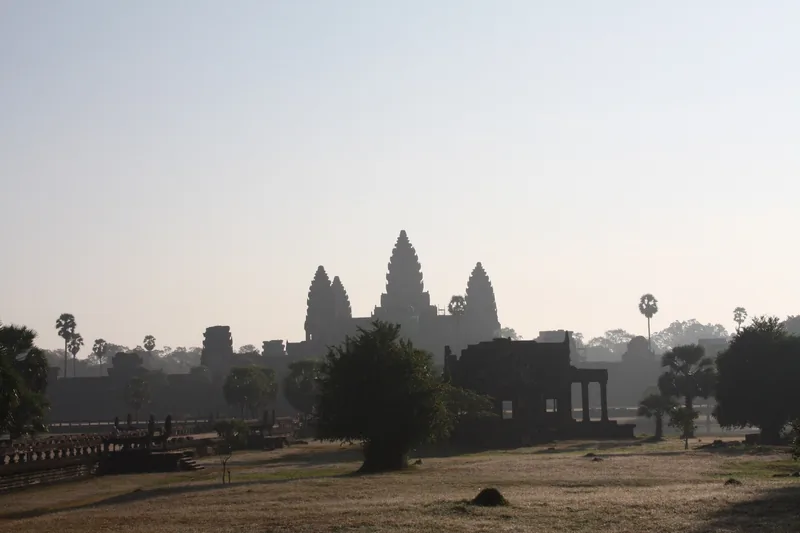
Start planning
Let’s plan your journey
Five quick questions. Your coordinator will take it from there.
Prefer to talk? WhatsApp or call+84 904 511 319