Destinations
Cambodia
Most people come for three days at Angkor. The country repays twice that — and its open borders with Vietnam and Laos make it the easiest second country on the mainland.
Cambodia
More than three days at Angkor
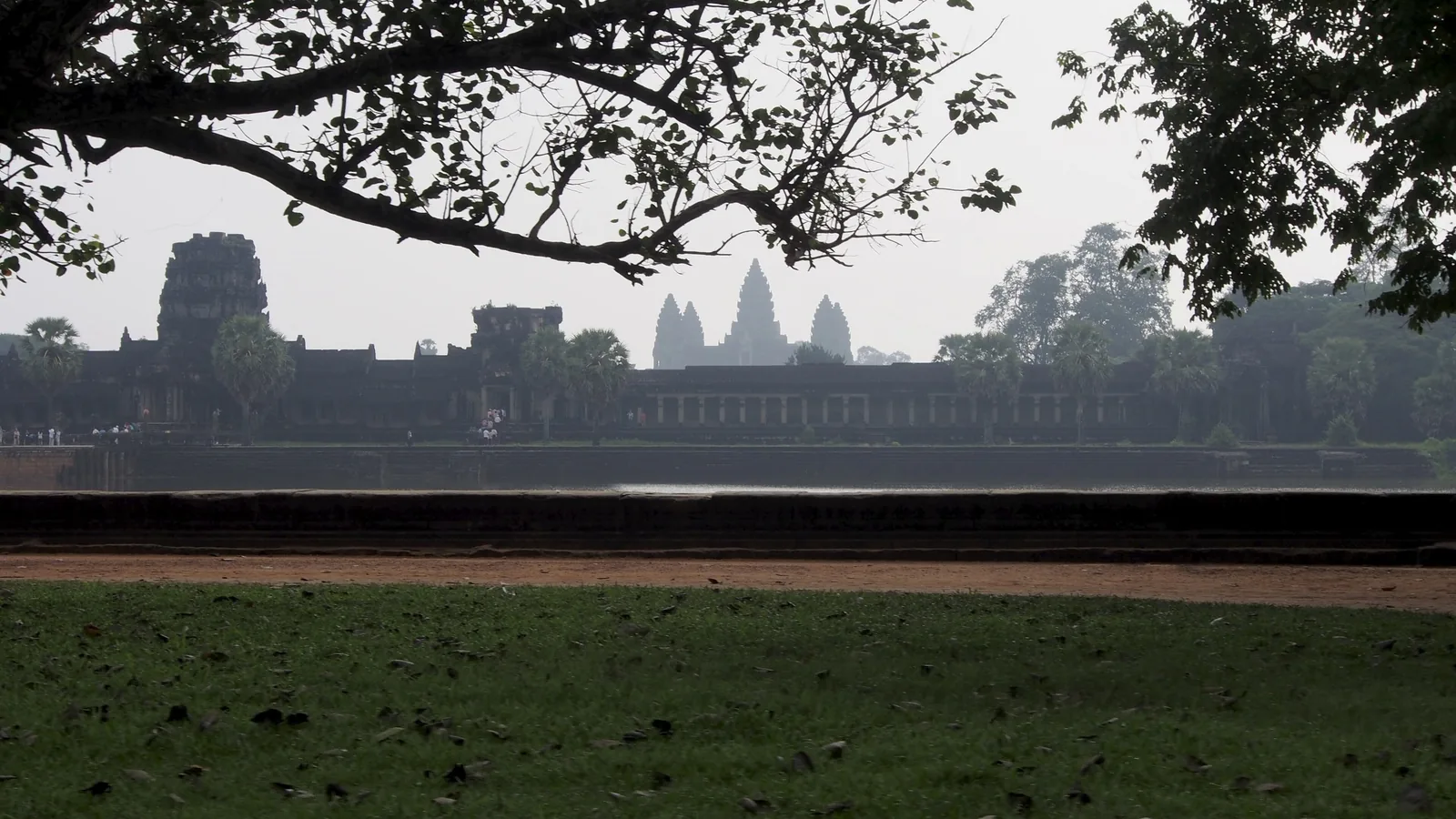
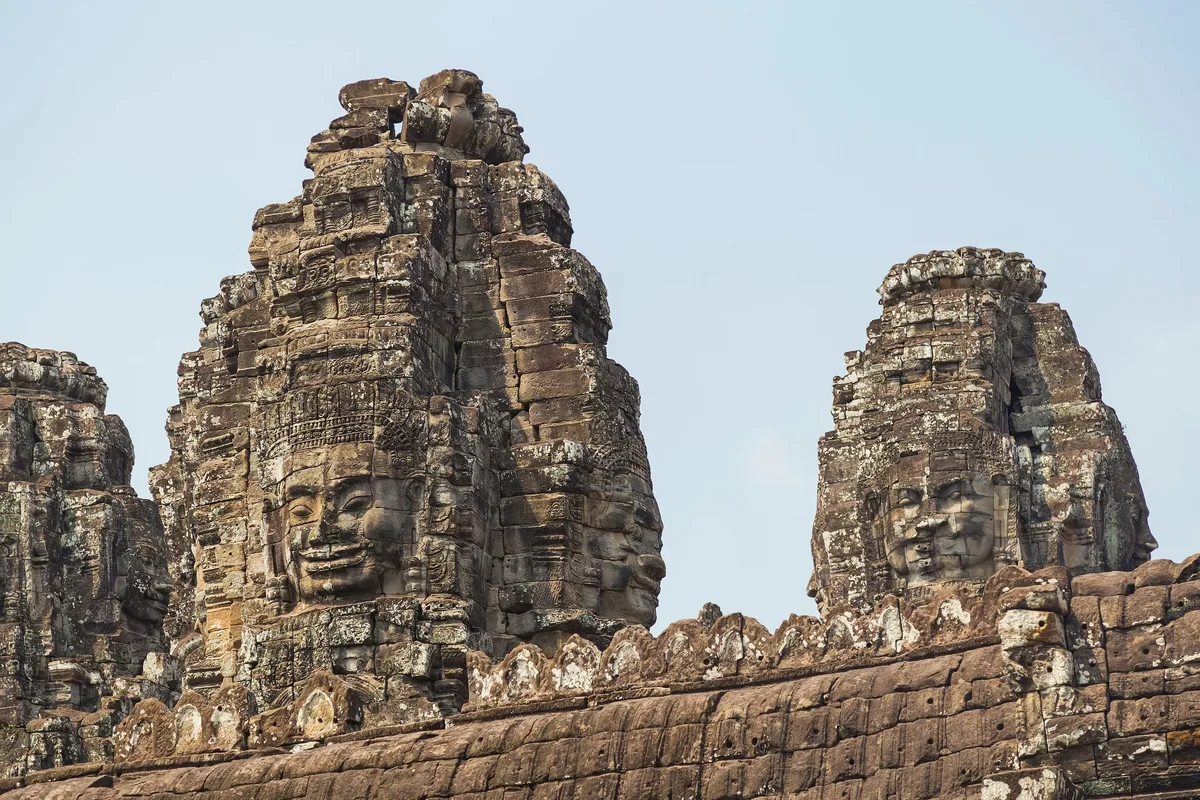
Angkor is the reason almost everyone comes, and three days is the standard allowance: sunrise at the main temple, Bayon and the walled city, then Ta Prohm and a longer loop. That works. What it misses is that Angkor is a landscape rather than a monument — hundreds of square kilometres of temples, reservoirs and roads, with tenth-century sites an hour into the forest that you will have to yourself on a Tuesday morning.
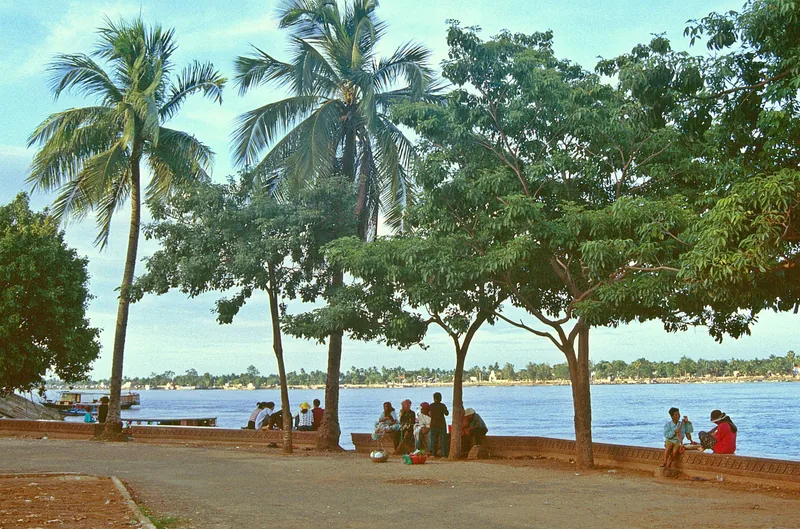
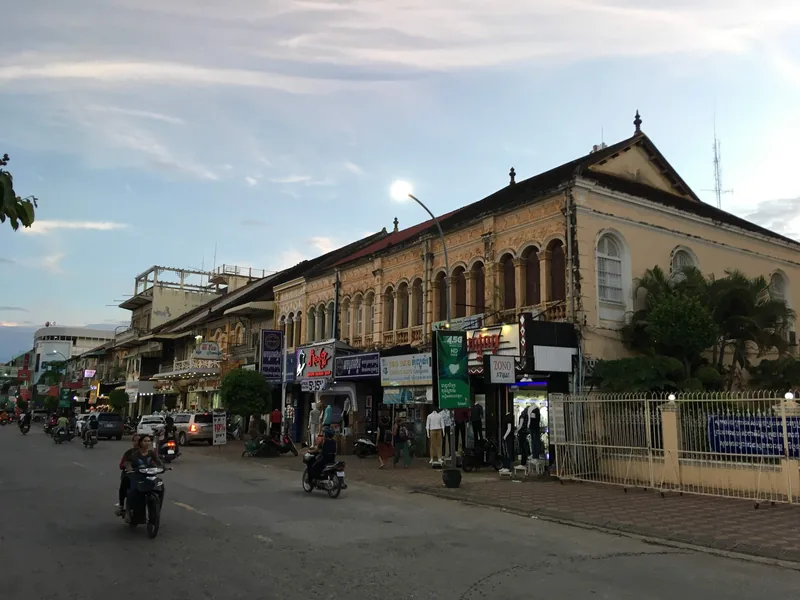
The rest of the country is quieter than its neighbours and much less built for visitors, which is its appeal. Battambang has the best-preserved French shophouse streets in Southeast Asia. Kampot and Kep have pepper farms, a decent coastline and a slow, unfinished feeling. Phnom Penh is a real working capital, and its two historical sites are among the most demanding things you will see anywhere in the region.

Destinations
Where people actually go
3 – 4 nights
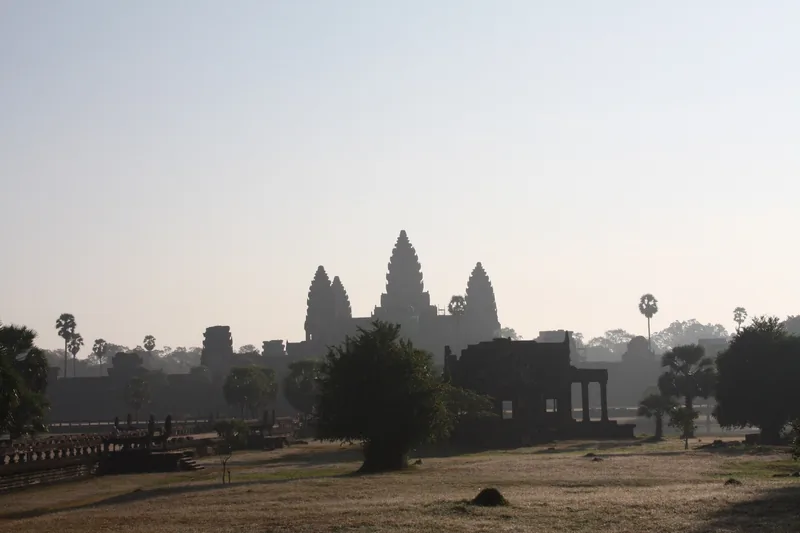
Siem Reap & Angkor
The temples, and the town that has grown up to serve them.
2 nights
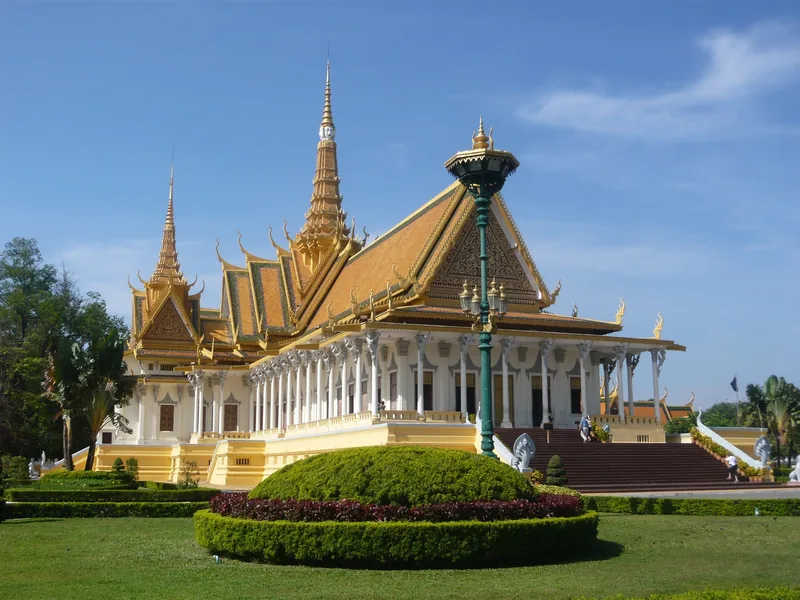
Phnom Penh
The capital, the river, and the road to the Vietnamese border.
1 – 2 nights
Battambang
Shophouse streets, rice country and the bamboo railway.
2 nights
Kampot & Kep
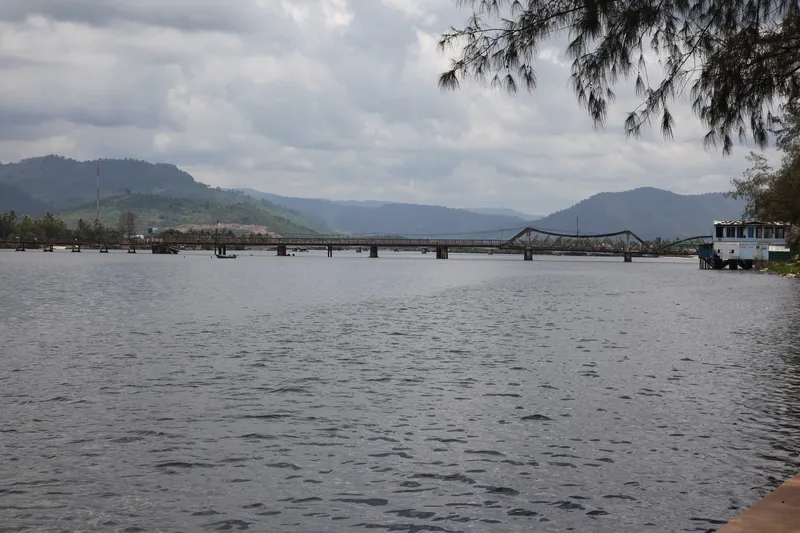
Pepper farms, crab markets and the slowest pace in the country.
Seasons
When to come
November to February is dry and as cool as Cambodia gets — 25 to 30°C and low humidity. March to May is punishing at the temples, where there is little shade and the stone holds heat; if you must travel then, be at the gate when it opens and stop by ten. The rains from June break the heat and turn the countryside green, and the Tonle Sap reverses and floods, which is worth seeing in its own right. September and October are the wettest months and also the emptiest.
 Angkor Thom
Three means the month usually works everywhere in that region, two means it works with a plan, one means rain, heat or sea conditions will shape your days. No month is closed to all six countries: when the Mekong is in flood, Bali and the Philippines are at their driest.
Borders
Crossing in and out by land
Cambodia has two working land borders for visitors: Vietnam in the southeast, Laos in the northeast. The Thai border is closed. Which visa you use depends on the gate, and the difference matters — turning up at the wrong gate with the wrong document means buying a second visa.
| Border | Crossing | Route | Time at the border | Status | What it means for your visa |
|---|---|---|---|---|---|
| Vietnam – Cambodia | Moc Bai – Bavet | Road, Ho Chi Minh City – Phnom Penh | 6 – 7 h | Open | Cambodian e-visa accepted here. Your Vietnamese e-visa must name Moc Bai as the exit gate. |
| Vietnam – Cambodia | Ha Tien – Prek Chak | Road, Phu Quoc ferry – Kampot / Kep | 3 h from Ha Tien to Kampot | Open | Take a Cambodian visa on arrival here (USD cash and a passport photo). The e-visa is not listed for this gate. |
| Laos – Cambodia | Nong Nok Khiene – Trapeang Kriel | Road, 4000 Islands – Stung Treng | 2 h | Operating, no government status page | Cambodian e-visa accepted at Trapeang Kriel; leaving Laos needs no e-visa, but entering Laos this way does need a visa on arrival. |
| Thailand – Cambodia | Aranyaprathet – Poipet | Road, Bangkok – Siem Reap | — | Closed since 23 June 2025 | Closed to tourists. Fly Bangkok – Siem Reap instead. |
| Thailand – Cambodia | Hat Lek – Cham Yeam | Road, Trat – Koh Kong | — | Closed since 23 June 2025 | Closed to tourists. |
The Cambodian e-visa is accepted at Bavet (from Vietnam) and Trapeang Kriel (from Laos). It is not listed for Prek Chak, the gate you would use coming from Ha Tien and Phu Quoc — there you buy a visa on arrival, in US dollars cash, with a passport photo. Carry both.
Planning
How many days it needs
Combinations
What it joins well with
Vietnam, almost always. Ho Chi Minh City to Phnom Penh is one road day, and Phu Quoc to Kampot by ferry and road is another. Laos joins through the 4000 Islands in the northeast, which is a long day but a beautiful one, and it is the only overland way between the two. Thailand is air-only while the land border stays shut.
Add Cambodia to your route.
Plan My Trip
Tell us your dates
We will show you how four nights at Angkor fit into a longer trip.
Common questions
Questions travellers ask most
How many days do I need at Angkor?
Three temple mornings is the useful minimum, on a three-day pass. Two days sees the main circuit; four lets you reach the outlying temples and the forest sites, which are the ones people remember.
Do I need a visa in advance?
Everyone except ASEAN nationals needs one. The e-visa is straightforward but only works at the airports and at two land gates, so apply about a week ahead and tell us your route first — at some gates a visa on arrival is the only option.
Is the Thai border really closed?
Yes. It has been shut to tourists since June 2025, including Poipet and Hat Lek, and both governments were still describing it as closed at our last check. We fly that leg.
Journey ideas
Where a private route could take you
Example itinerary — fully customizable
Vietnam & Cambodia
Fourteen days, two countries, one land border — Hanoi to Angkor.
View journeyCambodia
Siem Reap
Three or four mornings at Angkor, and the town you sleep in between them.
View journeyCambodia
Phnom Penh
Two nights on the river, and the gate to southern Vietnam.
View journey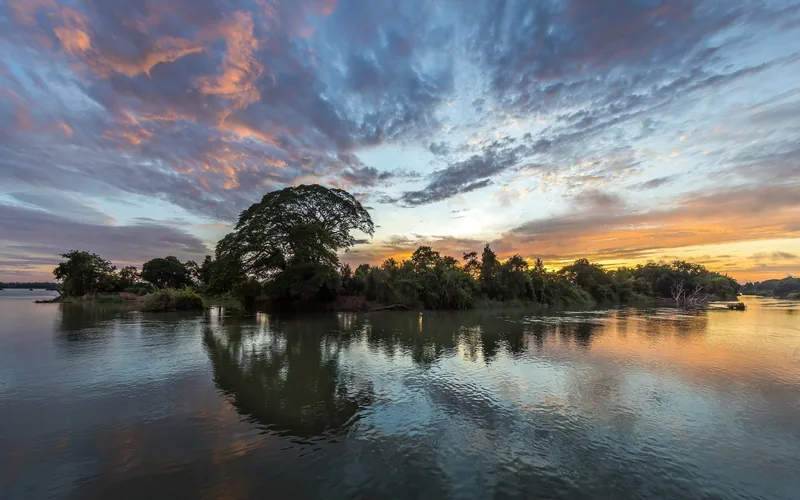
Example itinerary — fully customizable
Cambodia & Laos
Twelve days, one river, and the region’s least-used border.
View journey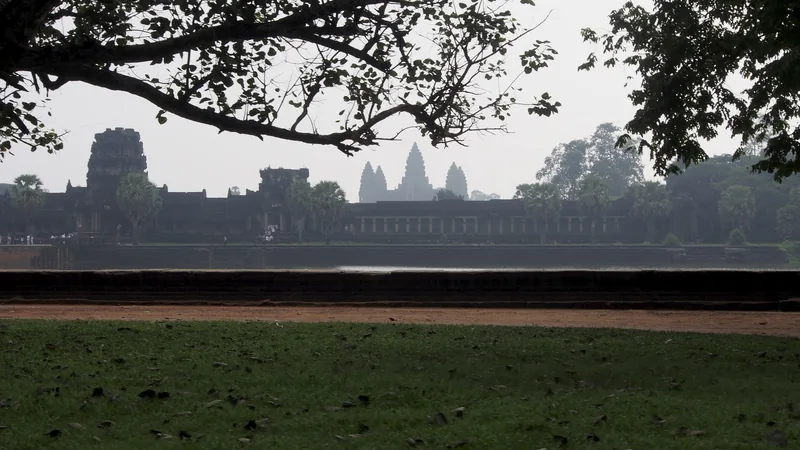
Start planning
Let’s plan your journey
Five quick questions. Your coordinator will take it from there.
Prefer to talk? WhatsApp or call+84 904 511 319