Philippines
Manila
Thirteen million people, the heaviest traffic in Southeast Asia, and the airport almost every Philippine island leg passes through — which is an argument for a night rather than none.
Manila
A capital most itineraries treat as a corridor
Manila is where the island flights leave from, and most visitors give it a two-hour connection and a view of the terminal. We would rather they gave it a night — not because it is a beautiful city, which it is not, but because the connection is safer with a night in it and what is here is more interesting than its reputation.
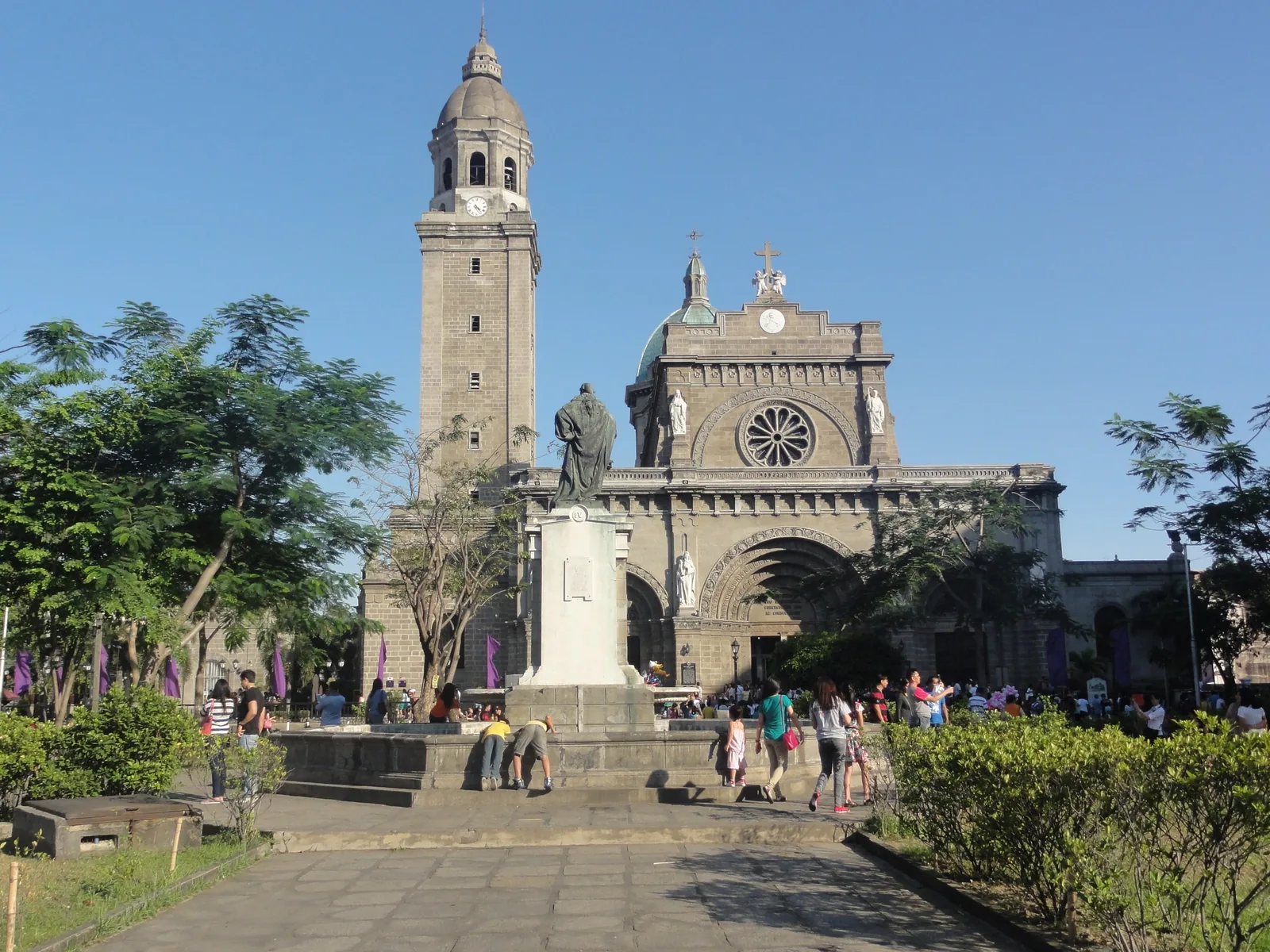
That reputation comes from the same place the traffic does. This is one of the most densely populated cities on earth, spread across sixteen municipalities with no single centre, and it was fought over street by street in 1945 in a battle that killed something like a hundred thousand civilians and destroyed almost everything old. What stands now was rebuilt at speed and is still being rebuilt.

The walled city
Intramuros, and what is left of it
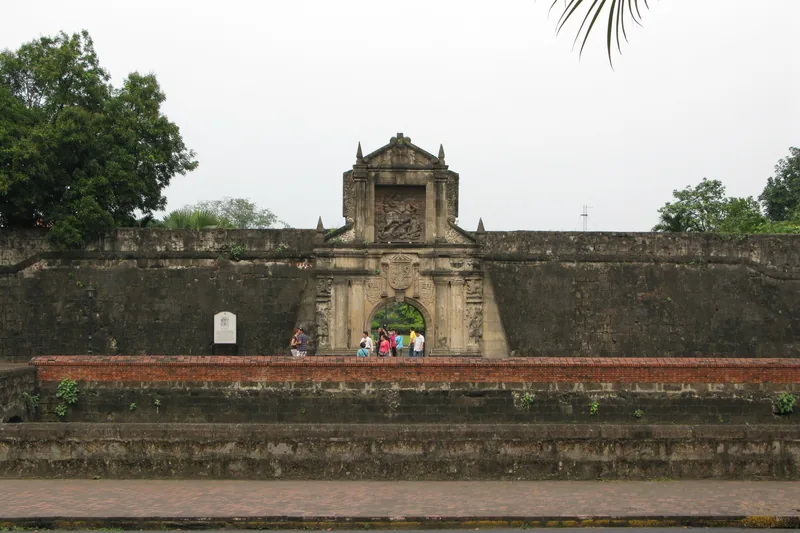
The Spanish walled city was founded in 1571 and is the only part of Manila with a shape you can read on foot. One building inside it survived the war: San Agustin, completed in 1607, the oldest stone church in the country and UNESCO-listed, with a painted barrel ceiling that is trompe-l’oeil rather than carved. Fort Santiago at the river end holds the cell where Rizal spent his last night before his execution in 1896. The rest is reconstruction, ruin and working streets, and the bamboo bicycle tours from the gates are the sensible way round it.
- The National Museum complex at Rizal Park — Fine Arts, Anthropology and Natural History, three buildings, free to enter. The Fine Arts building alone deserves an hour.
- Binondo, founded in 1594 and generally called the oldest Chinatown in the world, walked before lunch with somebody who knows which door to go through.
- Rizal Park late in the afternoon, when the city comes out into it.
- Long day trips out of town — four hours in traffic for what other islands do better.

Food
The eating is the argument for staying
Filipino cooking is the least exported of the region’s kitchens, which makes Manila the place to meet it properly. It is sour rather than hot — sinigang soured with tamarind, adobo with vinegar and soy, kare-kare thick with peanut — and more Chinese and more Spanish than its neighbours, which is the history on a plate. Binondo is where to eat it oldest, in shophouse kitchens that have not changed hands in generations; Poblacion in Makati is where to eat it newest, from cooks who trained abroad and came back. A morning in one and an evening in the other is the best use of a Manila night.
 Binondo, mid-morning
Traffic
The traffic, without euphemism
It is as bad as you have been told. Twelve kilometres across the city at six in the evening can take ninety minutes, and there is no way around it because there is no bypass. The consequences are practical: plan one thing in the morning and one in the evening and nothing that needs crossing town in between, stay in the district your day is in, and treat the airport run as a two-hour job at any hour that is not dawn. The terminals are separate buildings on opposite sides of the airport, and moving between them in traffic can take longer than a domestic flight — which is the strongest argument for a night in the city rather than a connection.
Entry
The entry rules, and the ticket they check
Entry here is the simplest of the six countries on this site, and also the one with a rule people get wrong. Thirty days visa-free covers around 190 nationalities, including the UK, EU, US, Canada, Australia, Japan and South Korea. There is no land border with any of the other five countries, so you arrive by air, at Manila or Cebu, and the queue at immigration is usually the shortest you will stand in on the whole trip.
- eTravel registration is compulsory and free, filed within 72 hours of arrival. Airlines do check the QR code at the gate.
- A return or onward ticket is a formal condition of entry, not a suggestion.
- The passport must be valid six months beyond the date you LEAVE the Philippines, not the date you arrive — stricter than the usual rule.
- Typhoon season runs roughly June to November, peaking August to October. Storms are regional, but domestic flights are cancelled nationally.
We do not publish government fees on this site; where one applies, the current figure is on the official portal and your coordinator confirms it before you travel. Here the paperwork is free — it is the six-month rule and the eTravel QR code that need checking, and we check both before tickets are issued.
Onward
What Manila is actually for
It is the hinge. Bangkok to Manila is about three and a quarter hours daily, Ho Chi Minh City about two and three quarters, Singapore under four. From the domestic terminal it is an hour and twenty to Cebu or Puerto Princesa, an hour and fifteen to El Nido, about an hour to Busuanga. Denpasar is the awkward one: no dependable daily direct, so a Bali move goes via Singapore or Kuala Lumpur, six to eight hours.
| Next leg | How long | What to know |
|---|---|---|
| El Nido, Palawan | 1 hour 15 by air | Small turboprop, private airfield, low checked-baggage allowance. |
| Puerto Princesa, Palawan | 1 hour 20 by air | Then five to six hours by road north to El Nido. |
| Cebu | 1 hour 20 by air | Several an hour, and the gateway to use if you would rather skip Manila. |
| Bangkok | About 3 hours 15 by air | Daily — the usual join with a mainland leg. |
| Denpasar, Bali | 6 to 8 hours via Singapore or Kuala Lumpur | No dependable daily direct. Allow a full travel day. |
One night, then the islands.
Plan My Trip
Tell us your dates
We will tell you whether Manila or Cebu is the better way in, and how much margin the island flights need.
Common questions
Questions travellers ask most
Is Manila worth a night?
One night, yes — for Intramuros, the National Museum and an evening of Filipino food, and because a night removes the risk from the island connection. Two only if the eating is the reason you came. It is not a city we would build a trip around.
Can I just connect straight through to the islands?
You can, and many people do, but the terminals at Manila are separate buildings and a transfer between them in traffic can take longer than the domestic flight. If the connection is on one ticket and several hours long it is usually fine; if it is on two tickets, take the night.
What is the passport rule I keep reading about?
The Philippines requires six months of validity counted from the date you leave the country, not the date you arrive. On a three-week trip that is three weeks stricter than the rule you are used to, and it is the most common reason a passport that looks fine is refused at check-in.
Journey ideas
Where a private route could take you
Destinations
Philippines
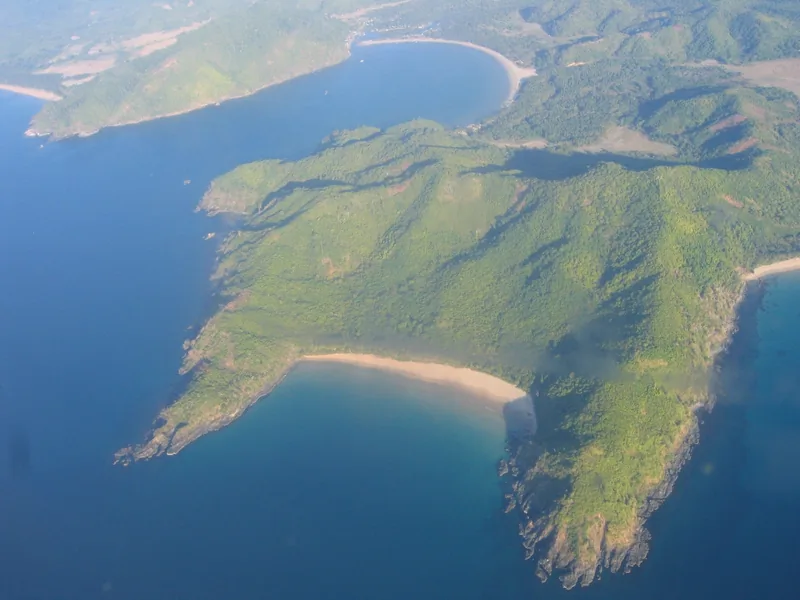
Palawan, Cebu and Bohol — the water leg, and the simplest entry of the six.
View journey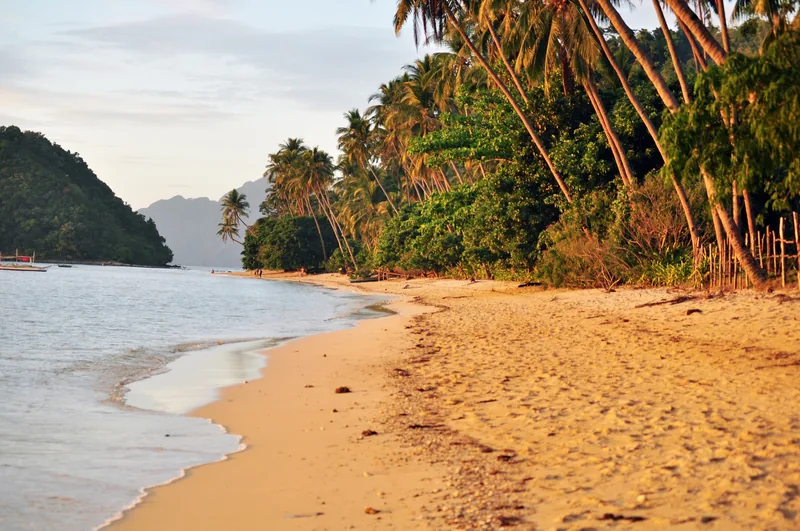
Philippines
Palawan
Five or six nights, and one full travel day accepted at the start.
View journey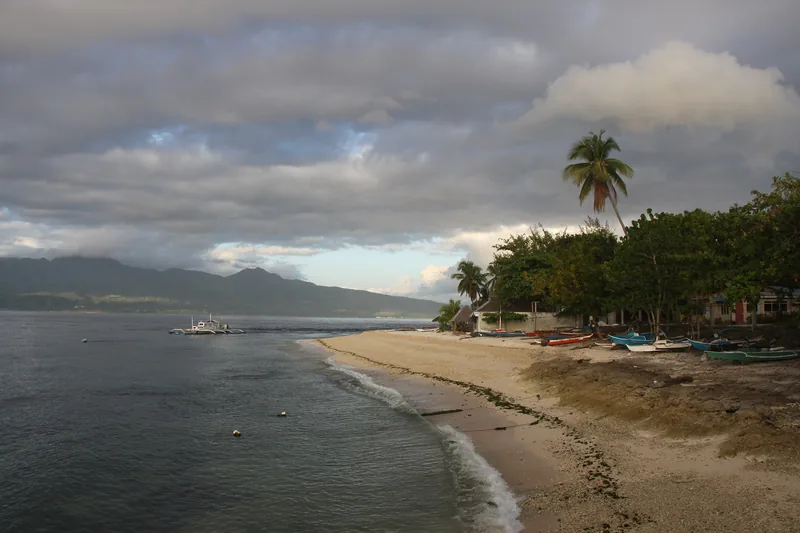
Philippines
Cebu & Bohol
Four or five nights, and the only Philippine leg that does not need a spare day built into it.
View journey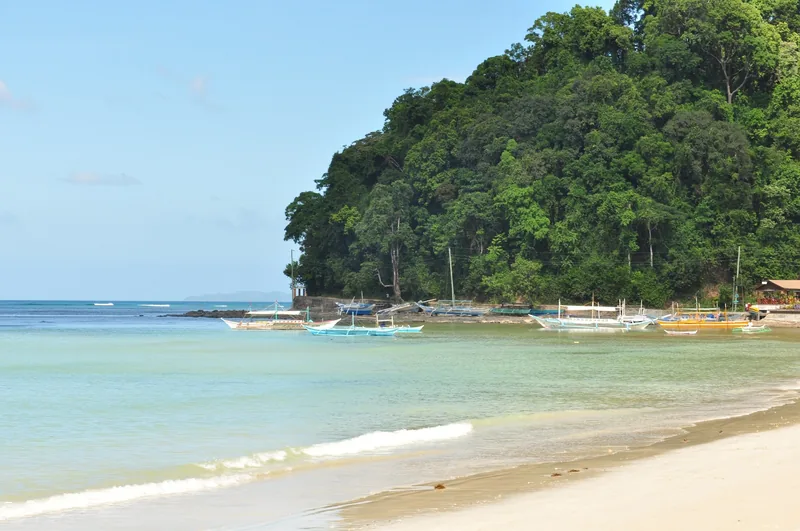
Example itinerary — fully customizable
Philippine islands
Ten days from the Visayas to Palawan, with the flights built loose.
View journey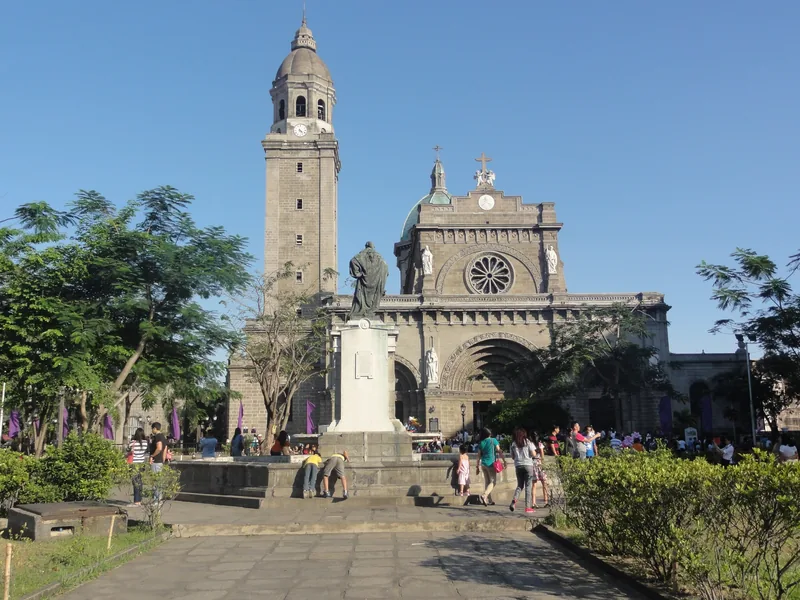
Start planning
Let’s plan your journey
Five quick questions. Your coordinator will take it from there.
Prefer to talk? WhatsApp or call+84 904 511 319