Vietnam
Ho Chi Minh City
Nine million people, a working port and the commercial engine of the country — and the city every land route into Cambodia leaves from.
Ho Chi Minh City
A commercial city that is not trying to charm you
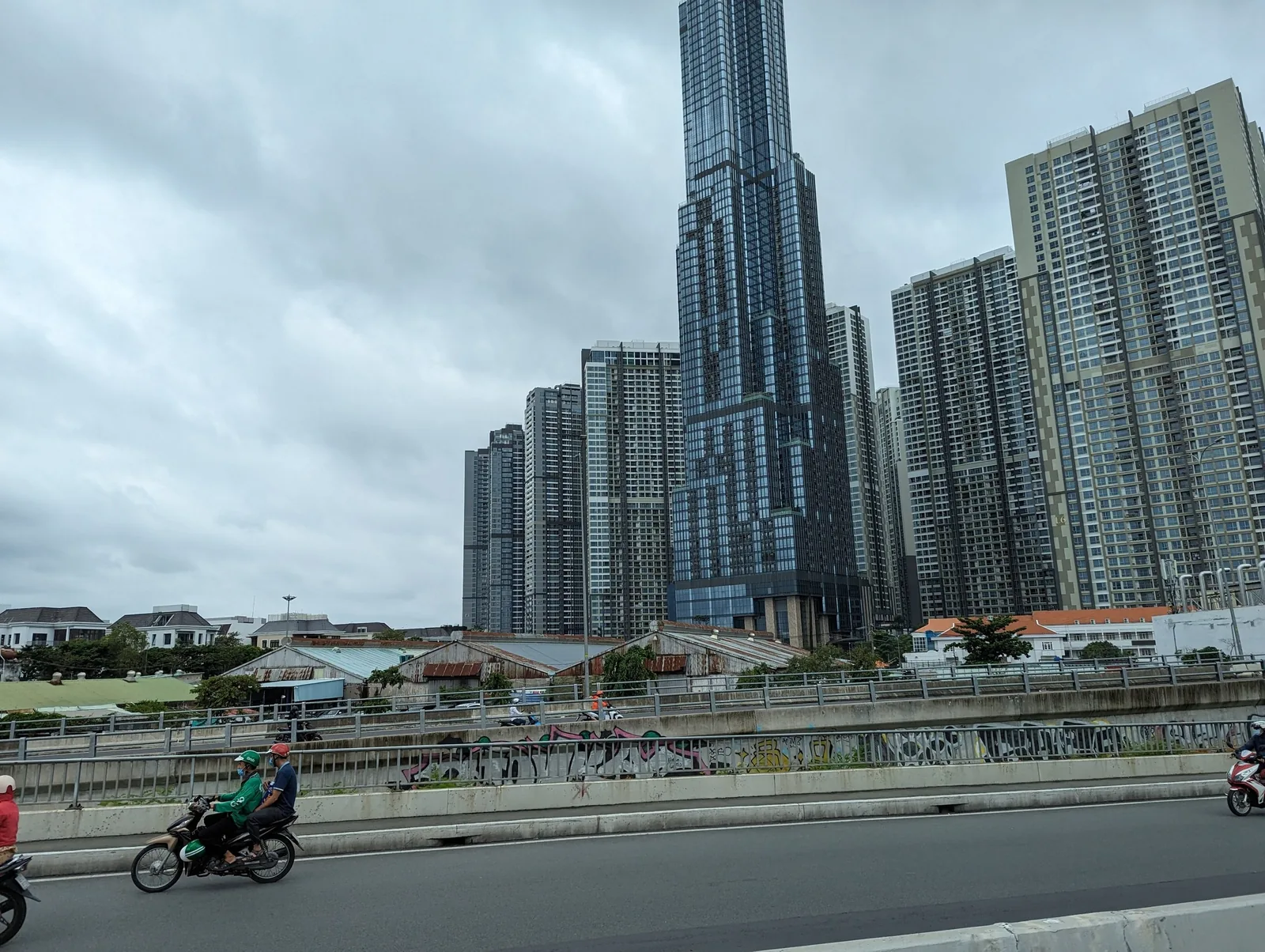
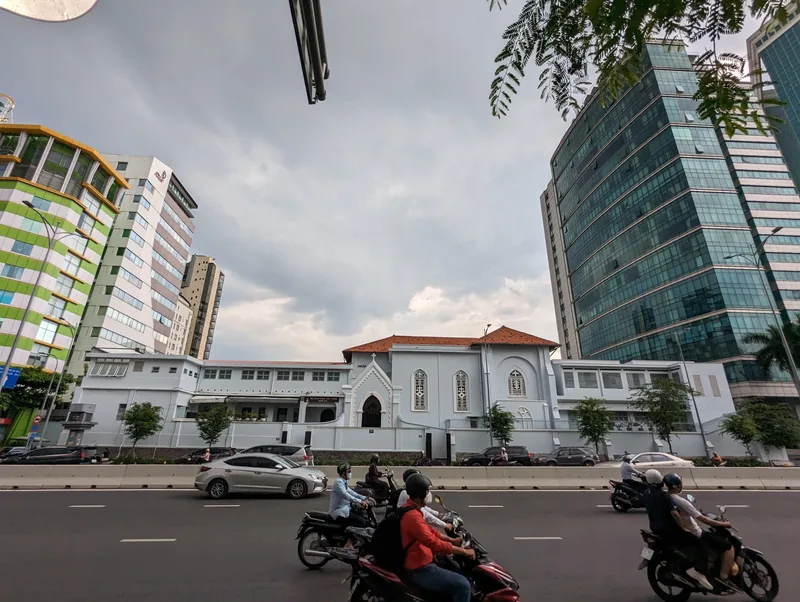
Almost everyone still calls it Saigon, and almost everyone arrives expecting Hanoi with better weather. It is not that. Ho Chi Minh City is younger, richer, louder and far more interested in business than in visitors — nine million people, a container port, and a skyline that has gone up in the last fifteen years. The historic centre is French colonial rather than Vietnamese: the post office, the opera house, the cathedral and a grid of wide streets that make the heat bearable for about an hour at a time.
What it does better than any other Vietnamese city is eat and drink after dark, and what it does better than anywhere in the region is explain the twentieth century. The war sites here are not an attraction in the ordinary sense. The War Remnants Museum is partisan, unflinching and genuinely difficult, and most people come out of it quiet. The Reunification Palace, two streets away, is preserved exactly as it was in April 1975, down to the telephones. Between them they take a morning and they are the reason this city earns its second night.
Two days
Two nights, and what they hold
Two nights is the standard allowance and it is correct for most routes. One morning for the war sites, an afternoon walking District 1 and Cholon, an evening eating. The second day is either Cu Chi or the delta, depending on which way the trip is going next.
- War Remnants Museum and the Reunification Palace, together, in one morning.
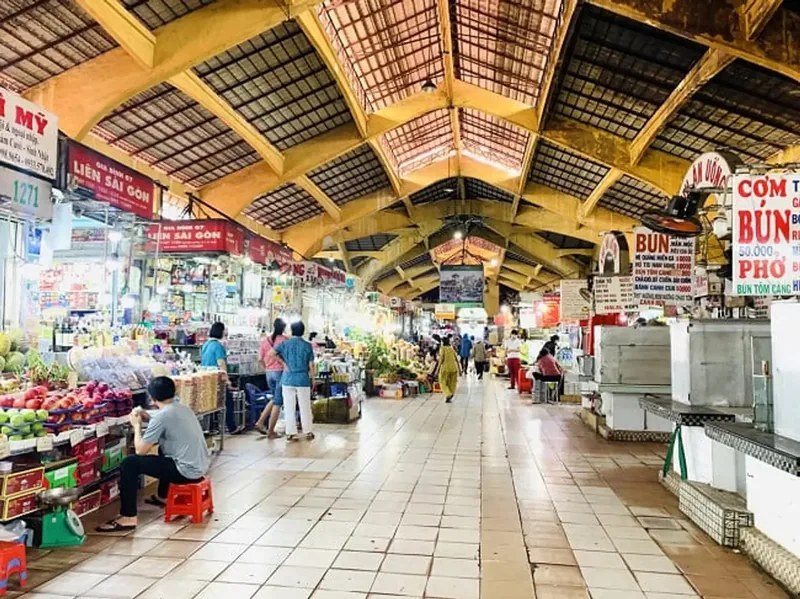
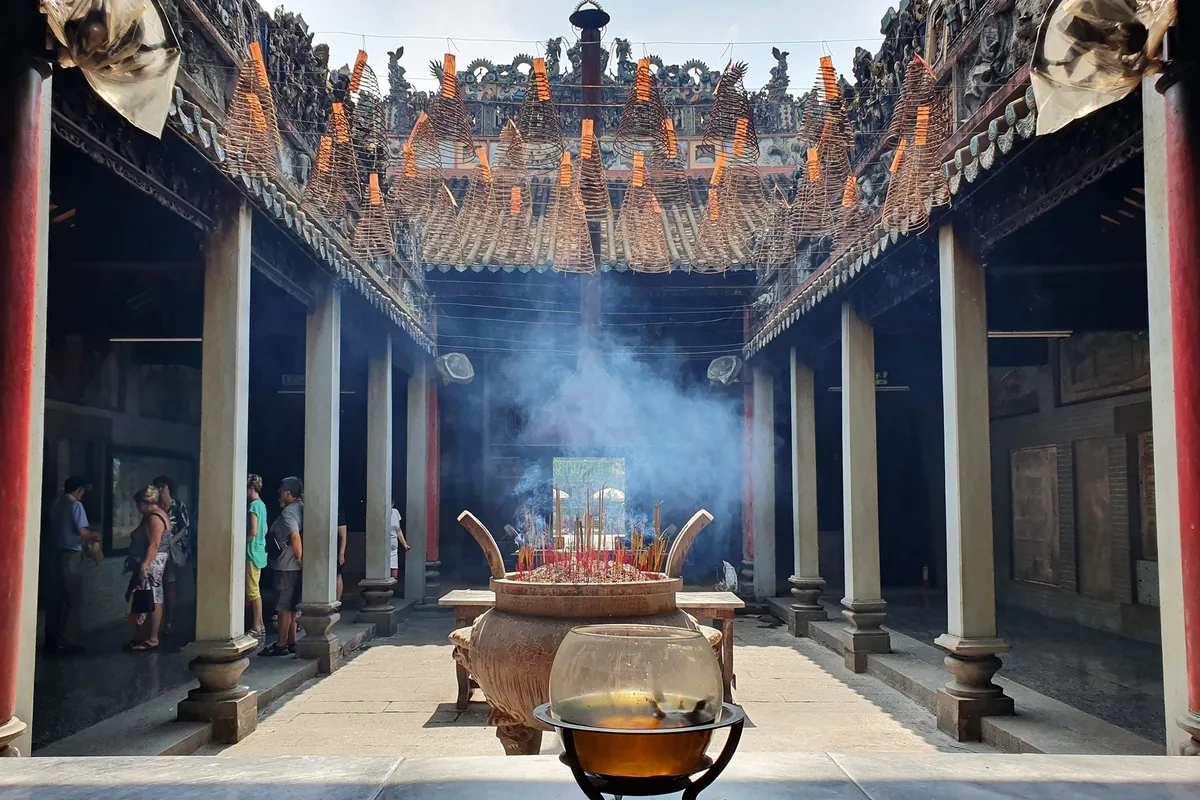
- Cholon — the Chinese quarter, the wholesale market and the temples — which is the most interesting walking in the city and the least visited.
- Cu Chi tunnels, 70 km northwest, a half-day. Go to Ben Duoc rather than Ben Dinh if you would rather not share it with four coaches.
- The rooftop bars, which are a cliché and also the only comfortable way to see the city at six in the evening.
Day trips
Cu Chi, and whether to bother
The tunnel network northwest of the city ran to something like 250 km and was dug by hand over twenty years. The site you visit is a managed version with widened sections, and that is a fair criticism, but the scale is real and the thirty metres you can crawl through are enough to understand something that no museum will tell you. It costs a half-day including two hours of driving. If your route is continuing to Cambodia by road, Cu Chi sits roughly on the way to Moc Bai and can be built into the transfer instead of a separate excursion, which saves a day.
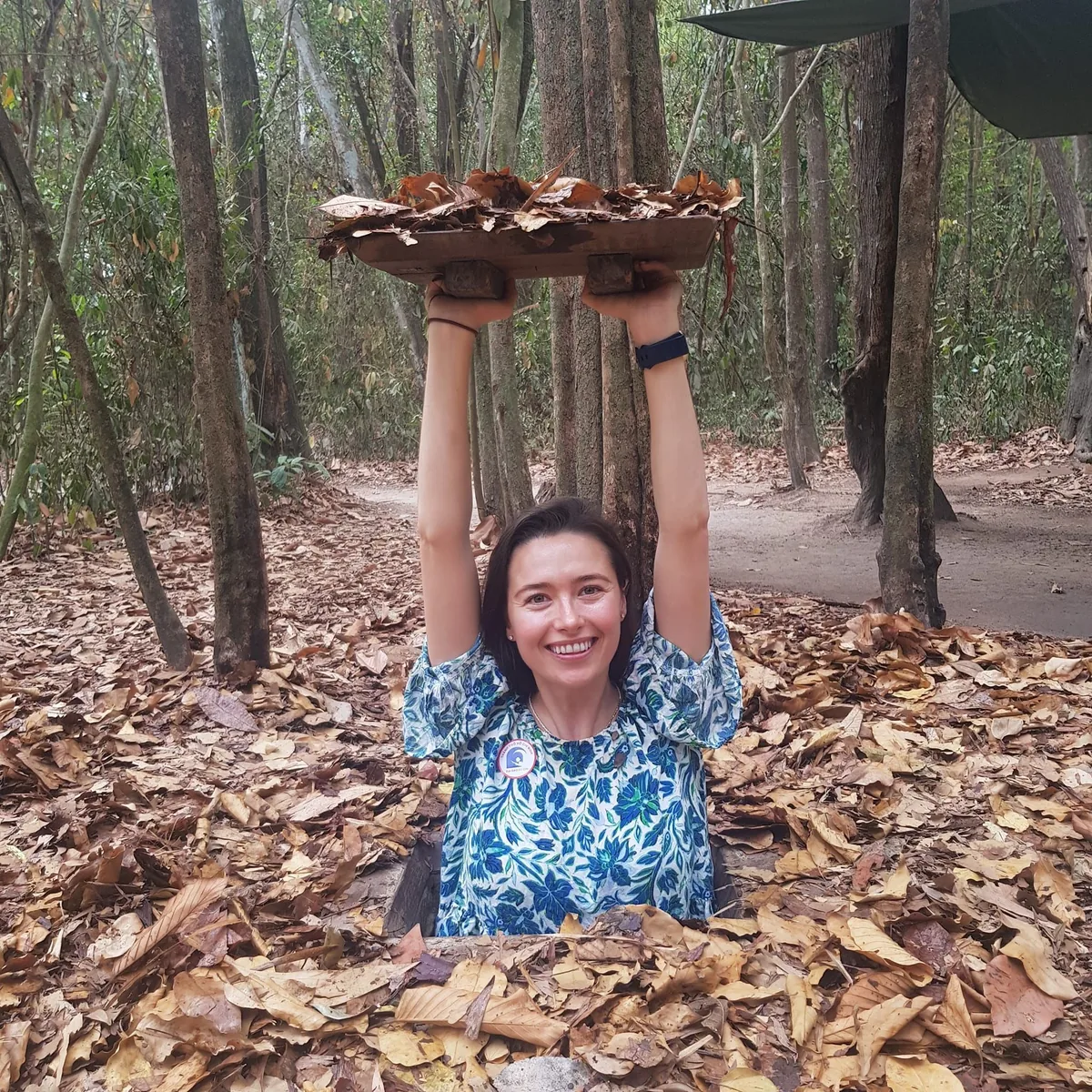 Cu Chi
Onward
Where the road goes from here
This is the junction city of the whole region. Three land and river routes leave it and one of them is the most-used border crossing in mainland Southeast Asia.
| Onward leg | How long | What to know |
|---|---|---|
| Moc Bai to Bavet, for Phnom Penh | 2 to 2.5 hours to the border, 6 to 7 hours in total | The main Vietnam – Cambodia gate. The Cambodian e-visa is accepted here. |
| Can Tho and the Mekong Delta | 3.5 to 4 hours by road | Most delta trips start and finish here; My Tho and Ben Tre are closer, at around 2 hours. |
| Phu Quoc | 1 hour by air | Several flights a day. The island has its own 30-day visa-free entry. |
| Hanoi, Da Nang or Hue | 1 hour 20 to 2 hours by air | The domestic network out of SGN is the densest in the country. |
Borders
Crossing into Cambodia
The Moc Bai – Bavet crossing is 70 km from the city, about two hours in normal traffic, and the whole journey to Phnom Penh takes six to seven hours door to door. It is a straightforward crossing by regional standards: you get out, clear Vietnamese exit, walk across, clear Cambodian entry. The Cambodian e-visa is accepted at Bavet, which is not true of every gate on this border.
If you are travelling on a Vietnamese e-visa, Moc Bai must be named as your exit gate when you apply — the gates on an e-visa cannot be changed afterwards, and this is the single most common way a self-planned overland route fails. Note also that the other southern gate, Ha Tien – Prek Chak, does not accept the Cambodian e-visa; there it is a visa on arrival only. We do not publish visa fees; the current figures are on the official portals and your coordinator confirms them before you travel.
South, then west.
Plan My Trip
Tell us your dates
We will tell you whether to fly to Phnom Penh or take the road, and what Cu Chi costs you either way.
Common questions
Questions travellers ask most
Is two nights enough in Ho Chi Minh City?
For most routes, yes — one morning of war history, one afternoon walking, one evening eating, and a second day for Cu Chi or the delta. A third night only makes sense if you are using the city as a base for two separate day trips.
Road or flight to Phnom Penh?
The road, if you have the day: six to seven hours through Moc Bai, with Cu Chi on the way, and you see the border country rather than the inside of an aircraft. The flight is under an hour and is the right answer when the itinerary is tight.
Which war sites should I choose?
The War Remnants Museum and the Reunification Palace in the city, together in a morning. Cu Chi if you have a half-day and want the physical scale of it. Doing all three in one day is possible and is more than most people want in one go.
Journey ideas
Where a private route could take you
Vietnam
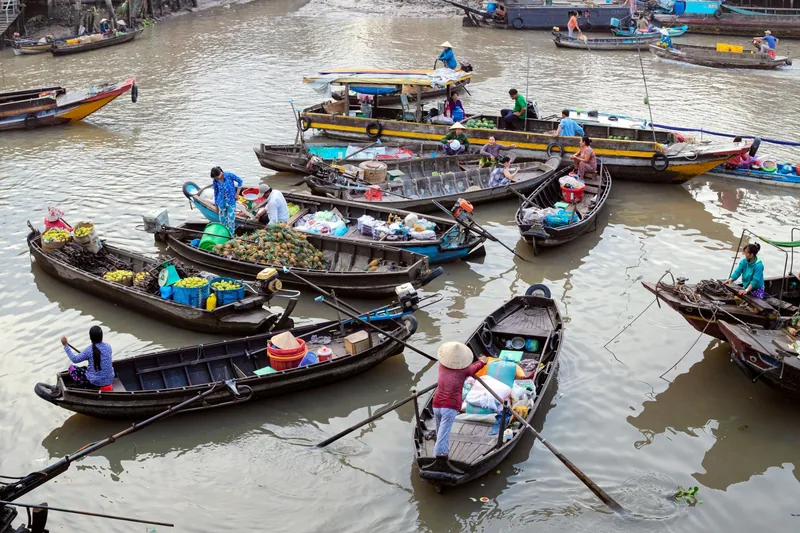
Mekong Delta
One or two nights on the water, and the river route towards Phnom Penh.
View journey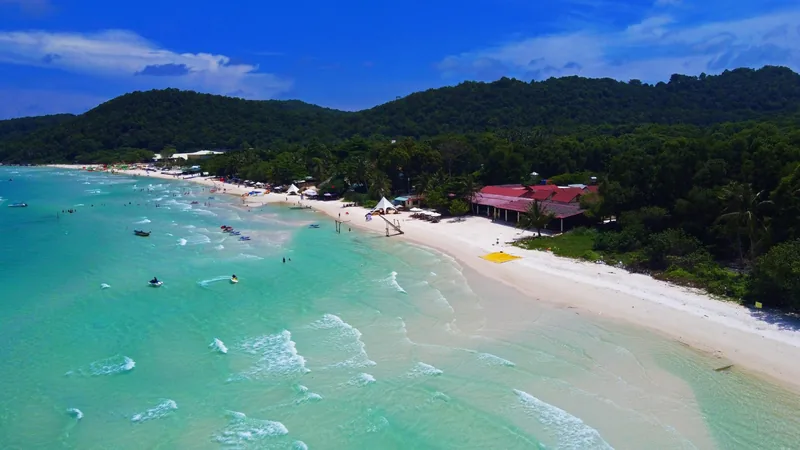
Vietnam
Phu Quoc
Three or four nights where a long overland route usually ends.
View journey
Example itinerary — fully customizable
Vietnam & Cambodia
Fourteen days, two countries, one land border — Hanoi to Angkor.
View journey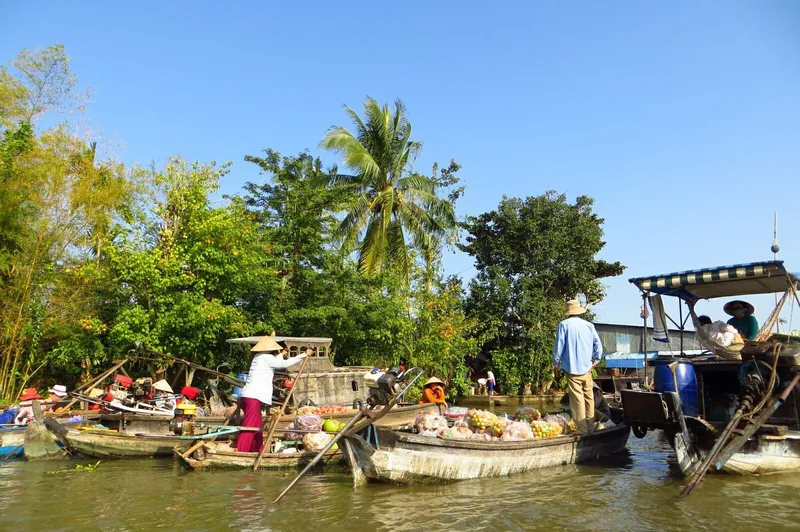
Example itinerary — fully customizable
Southern Vietnam
Nine days: a city, a river delta at dawn, and four nights on Phu Quoc.
View journey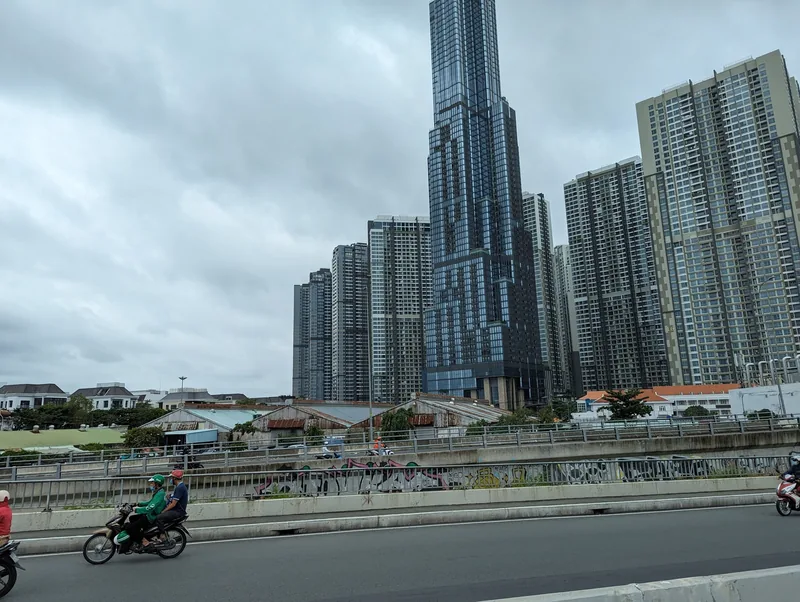
Start planning
Let’s plan your journey
Five quick questions. Your coordinator will take it from there.
Prefer to talk? WhatsApp or call+84 904 511 319