Vietnam
Phu Quoc
A 570 square kilometre island in the Gulf of Thailand, closer to Cambodia than to mainland Vietnam, and the only part of the country that is visa-free for everyone.
Phu Quoc
An island that belongs to Vietnam and sits off Cambodia
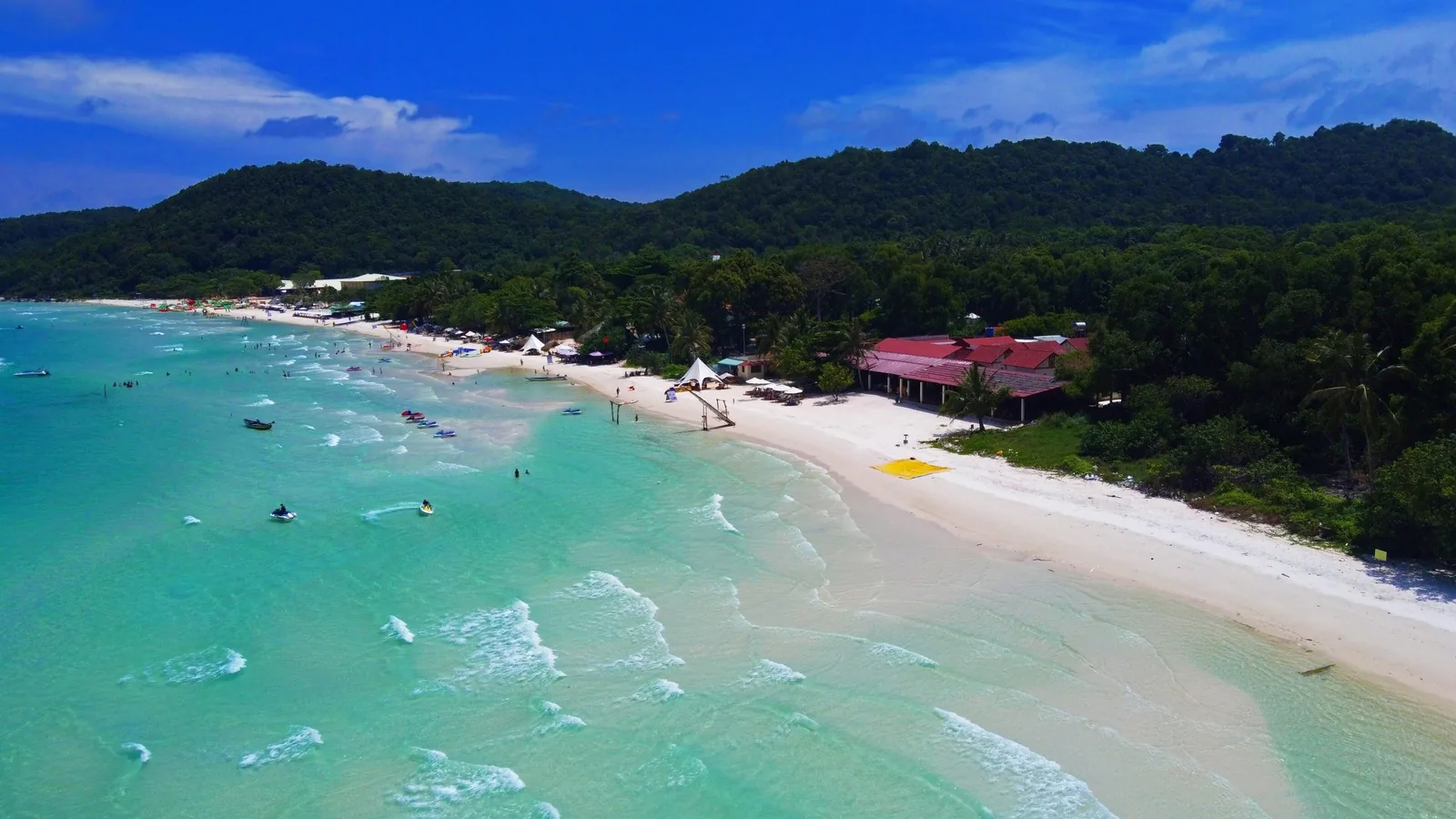
Phu Quoc is fifteen kilometres from the Cambodian coast and a hundred and twenty from the Vietnamese mainland, which explains both its history and its usefulness. It is large — 570 square kilometres, half of it national park — and it has been developed hard and unevenly over the last decade. The south has resorts, a cable car and a theme park. The centre and north still have forest, pepper farms, fish sauce houses and dirt roads that the rain closes.
That unevenness is the thing to plan around. Phu Quoc is not a single destination; it is three or four coastlines with very different characters, and choosing the wrong one produces the disappointed reviews you will have read. Long Beach on the west side is the longest stretch of sand and takes the sunsets. The northwest, around Ong Lang and Cua Can, is quieter and has the better small places to stay. The east coast is more exposed, with the clearest water in the calm months. The far south at An Thoi is where the boats leave for the islands, which is the best day out on the island and not on the island at all.
Priorities
What is worth the day and what is not
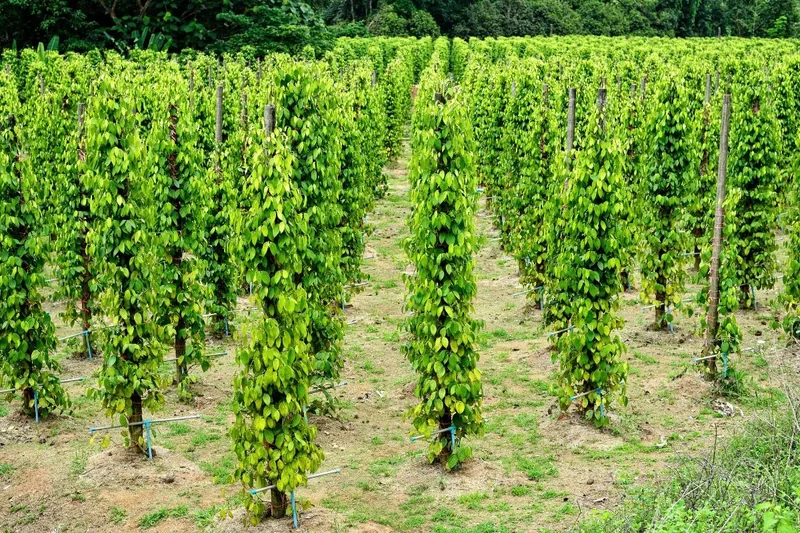
The snorkelling and island-hopping trip out of An Thoi into the southern archipelago is the one excursion we would put on every Phu Quoc itinerary between November and April — clear water, small islands, half a day on a boat. The fish sauce distilleries and pepper farms in the interior are genuinely interesting for an hour and are free of charge in every sense. The theme park and the cable car are exactly what they sound like; they suit families with children and nobody else, and the island has better hours to offer than a queue.
- An Thoi island-hopping and snorkelling — half a day, calm-season only.
- The northern national park and the dirt roads through it, by car in the dry months.
- A fish sauce house and a pepper smallholding, an hour, and the most memorable thing you will smell in Vietnam.
- The night market in Duong Dong, which is busy and touristic and still the best seafood on the island.

Seasons
The sea decides the months
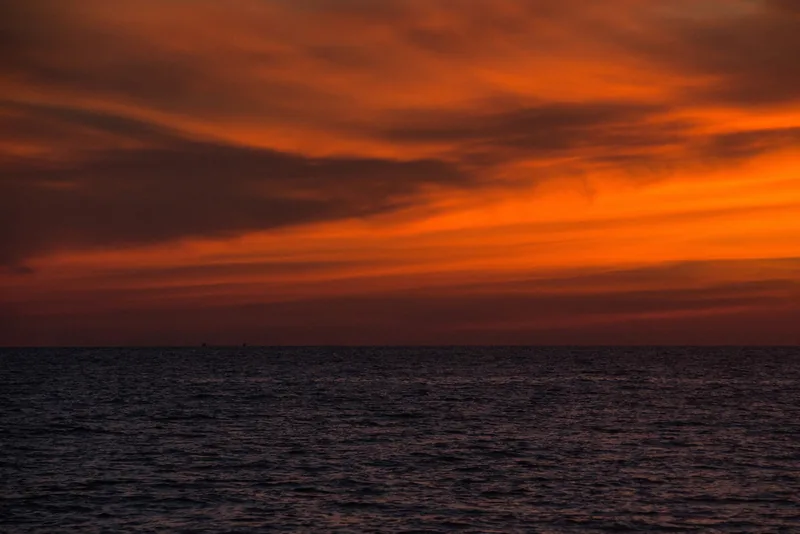
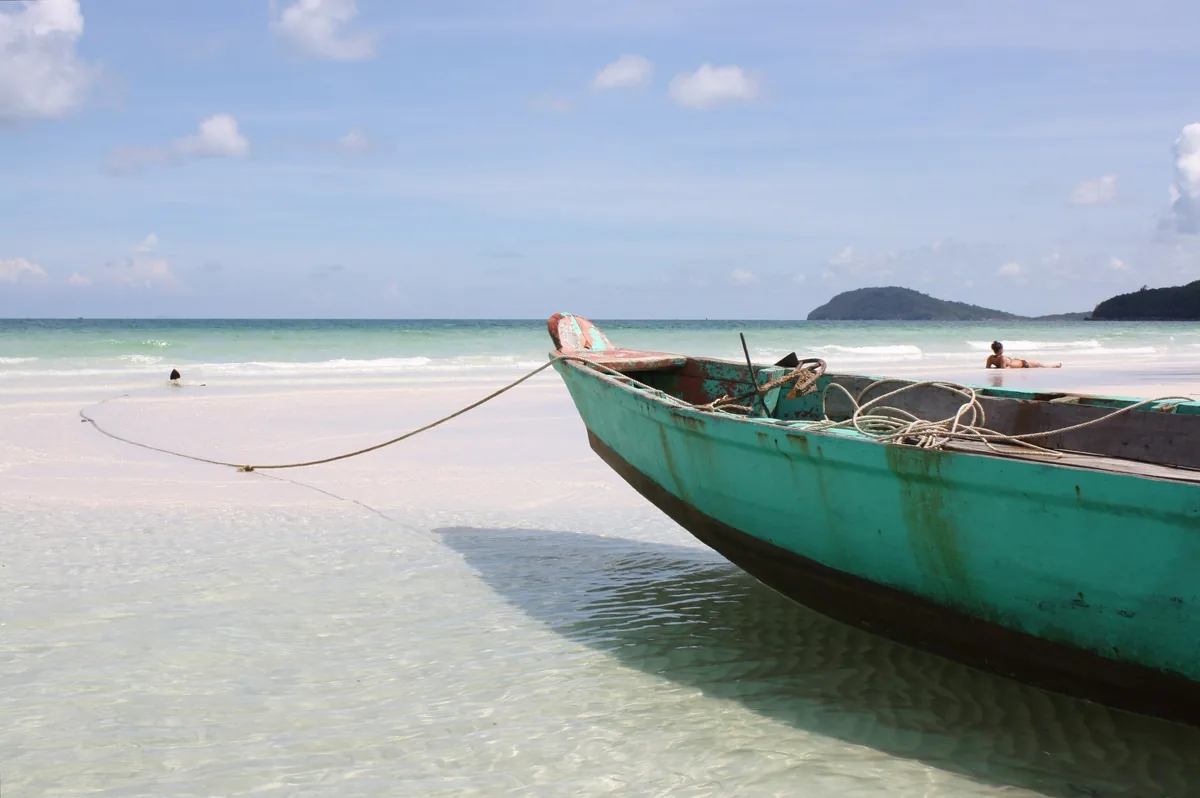
November to April is the dry season and the sea is flat, which is what matters here: boat trips run, the water is clear, and the west-coast sunsets are the reason people book this island. From May the southwest monsoon arrives and the sea on the west side turns cloudy and choppy; July to September is the wettest part of the year, and island-hopping trips are regularly cancelled. Phu Quoc in August is not unpleasant — it is warm, green and cheap, and the rain comes in bursts — but it is not the island in the photographs, and a beach finish to a long trip should not be built there in those months.
 An Thoi, February
Entry
The only part of Vietnam that is visa-free for everyone
Phu Quoc holds a 30-day visa exemption that applies to all nationalities, which is unusual and useful. It covers travellers who fly in directly or arrive by sea and stay on the island; the moment you continue to the mainland, the ordinary rules take over — 45 days visa-free for most European, Japanese and South Korean passports, and an e-visa for American, Australian and Canadian ones. If the island is the last stop before you fly home, the exemption may be all you need. If it is in the middle of a Vietnamese route, it is not.
Two details to settle before booking. A pre-arrival declaration is compulsory at every Vietnamese airport, including Phu Quoc, and is filed no more than three days ahead. And the Vietnamese e-visa fixes both the entry and the exit gate at the point of application, so if you plan to leave through Ha Tien it has to say so from the start. We do not publish visa fees: the current figures are on the official portals, and your coordinator confirms them with you before you travel.
Onward
Leaving by sea, and the Cambodian border
Most people fly out — Phu Quoc to Ho Chi Minh City is an hour, and there are direct services to Hanoi and a handful of regional cities. The more interesting exit is the fast ferry to Ha Tien on the mainland, about an hour and a quarter, which puts you eight kilometres from the Ha Tien – Prek Chak gate and within an hour and a half of Kep and two of Kampot. That makes Phu Quoc a plausible hinge between a Vietnamese route and the Cambodian coast rather than a dead end, which is how it is usually sold.
| Onward leg | How long | What to know |
|---|---|---|
| Ho Chi Minh City | 1 hour by air | Several flights daily; the standard way off the island. |
| Ha Tien by fast ferry | About 1 hour 15 | Sailings are weather-dependent from May to September. |
| Ha Tien to Prek Chak, Cambodia | 8 km, about 20 minutes | Visa on arrival only at this gate — the Cambodian e-visa is not accepted here. |
| Kep and Kampot, Cambodia | 1.5 to 2 hours beyond the border | A natural continuation towards the Cambodian coast and on to Phnom Penh. |
End on the water, or carry on into Cambodia.
Plan My Trip
Tell us your dates
We will tell you whether the sea will be calm, and whether the ferry makes sense in your month.
Common questions
Questions travellers ask most
Do I need a visa for Phu Quoc?
Not for the island itself: there is a 30-day visa exemption that applies to every nationality, provided you arrive directly and stay on Phu Quoc. If you continue to the Vietnamese mainland, the normal rules apply and you will need either your 45-day exemption or an e-visa.
Which part of the island should I stay on?
The northwest around Ong Lang and Cua Can for quiet and small places to stay, the middle of Long Beach for sunsets and somewhere to walk to in the evening. The far south is for travellers who want the resorts and the cable car.
Can I get to Cambodia from Phu Quoc?
Yes. The fast ferry to Ha Tien takes about an hour and a quarter, and the Prek Chak gate is eight kilometres from the pier, with Kep an hour and a half beyond it. The Cambodian e-visa is not accepted at that gate, so it is a visa on arrival, and your Vietnamese e-visa must name Ha Tien as the exit point.
Journey ideas
Where a private route could take you
Vietnam
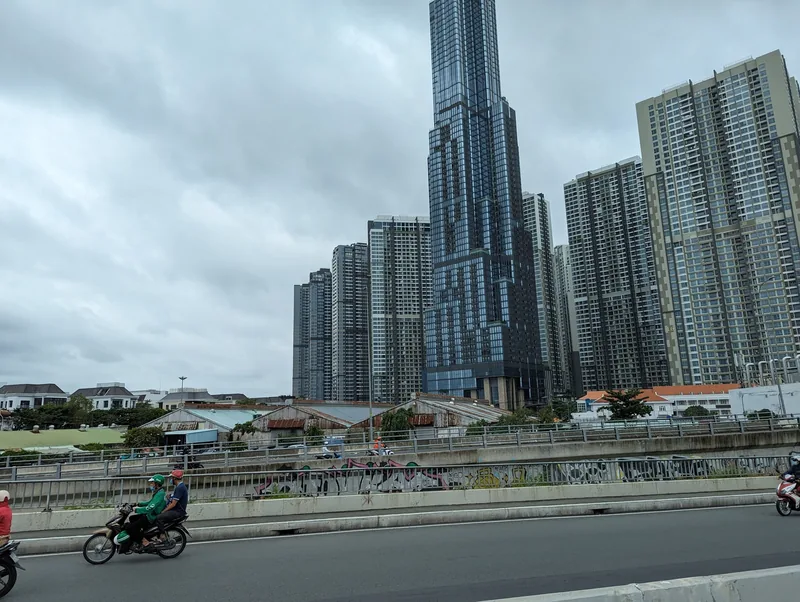
Ho Chi Minh City
Two nights in the south, and the start of the road to Phnom Penh.
View journey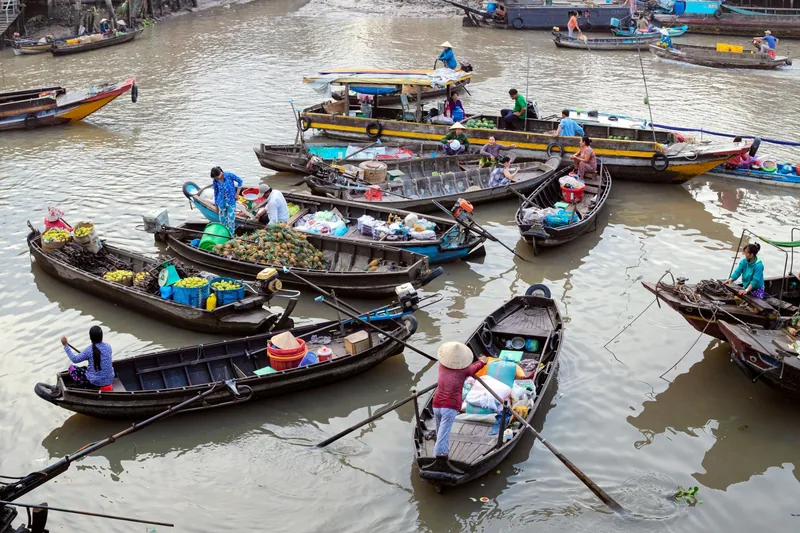
Vietnam
Mekong Delta
One or two nights on the water, and the river route towards Phnom Penh.
View journey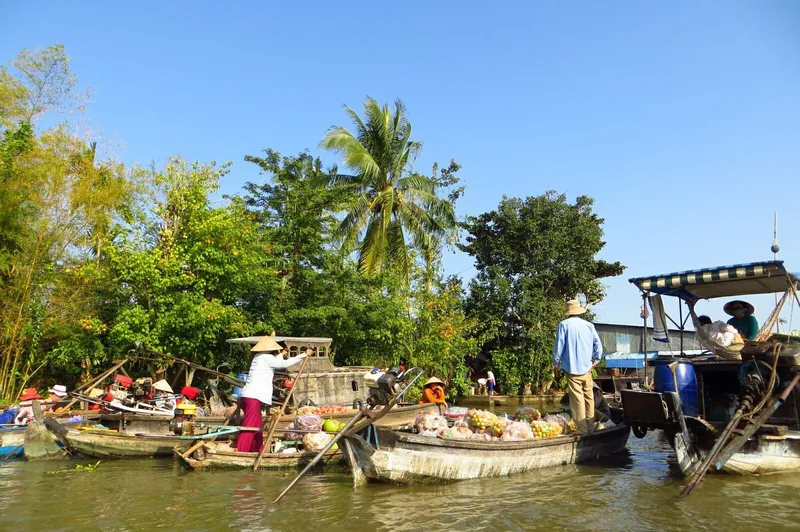
Example itinerary — fully customizable
Southern Vietnam
Nine days: a city, a river delta at dawn, and four nights on Phu Quoc.
View journey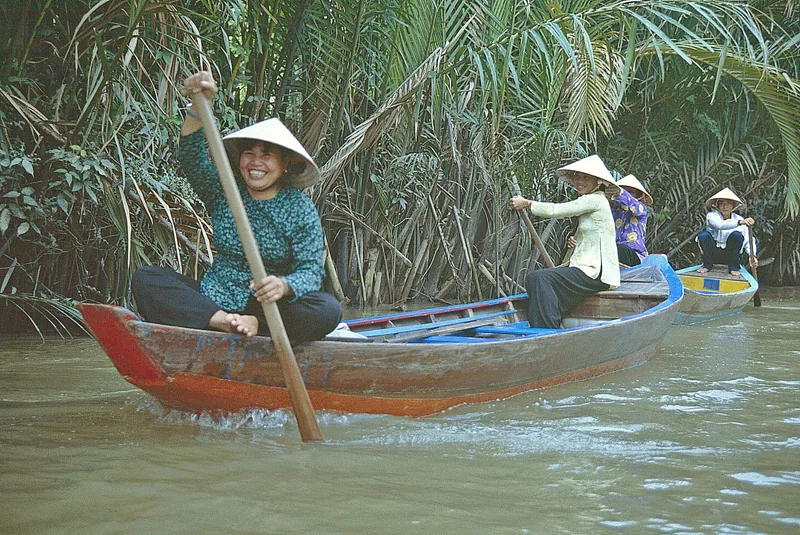
Example itinerary — fully customizable
Vietnam & Cambodia
Fourteen days, two countries, one land border — Hanoi to Angkor.
View journey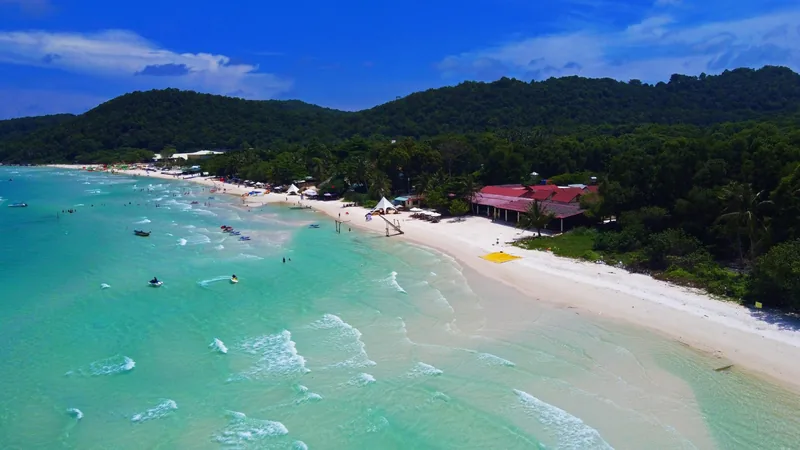
Start planning
Let’s plan your journey
Five quick questions. Your coordinator will take it from there.
Prefer to talk? WhatsApp or call+84 904 511 319