Multi-country
Thailand, Cambodia and Vietnam in fifteen days
The classic three-country line across the mainland — with one leg that has to be flown, because the Thai – Cambodian land border has been shut to tourists since June 2025.
The route
The route everyone asks for, and the leg that changed
This is the line most people have in mind when they say Indochina: Bangkok, Angkor, Phnom Penh, Saigon, Hoi An, Hanoi. Until 2025 the first leg was a road — Bangkok to Siem Reap through Aranyaprathet and Poipet, a long day and a famously tiresome border. That is not an option now.
The Thailand – Cambodia land border has been closed to tourists since 23 June 2025. Poipet is shut and so is Hat Lek on the coast, and at the last check neither had reopened. There is no workaround worth having: the only land route between the two countries runs through Laos and costs three days. So this itinerary flies Bangkok to Siem Reap, which takes about an hour, and uses the saved day at Angkor instead. It is a better trip than the road version was.
- Length
- 15 days, 14 nights
- Group
- Private, up to 12
- Starts
- Bangkok
- Ends
- Hanoi
- Borders
- One by land at Moc Bai; Bangkok to Siem Reap is flown
- Best months
- November to March
Stops
Where you stop
Itinerary
Day by day
Day 1
Arrive in Bangkok
Met at Suvarnabhumi and driven in, about an hour depending on the traffic and the hour. Nothing is scheduled. Dinner beside the Chao Phraya and an early night is the gentlest way into a fifteen-day trip.
Day 2
Bangkok by water
Wat Arun from the water at the end of the afternoon
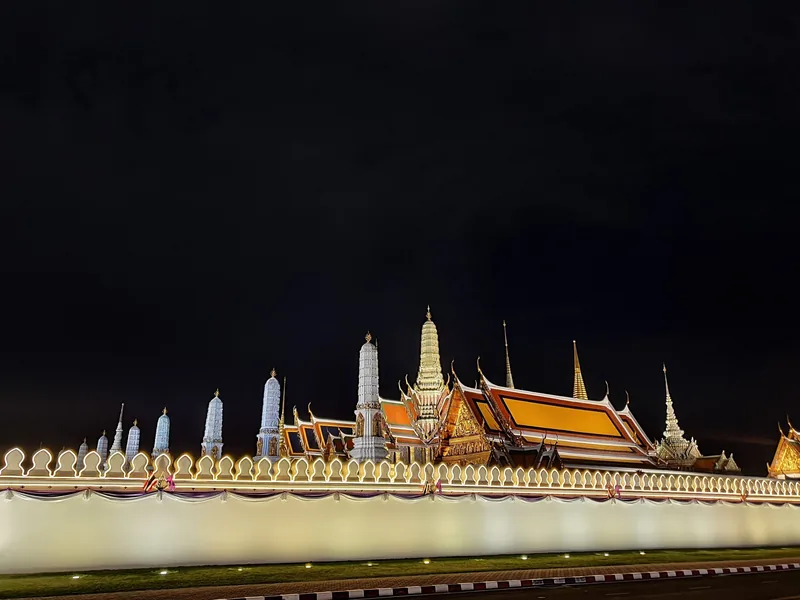
The Grand Palace and Wat Phra Kaeo at opening, before the heat and the crowd, then Wat Pho next door for the reclining Buddha. Cross to Wat Arun by ferry in the afternoon. We move between these by river rather than by road deliberately: the boat is faster, cooler and the better view of the city.
Day 3
Ayutthaya
Wat Chaiwatthanaram in the last hour of light
An hour and a half north, the capital that preceded Bangkok and was destroyed in 1767. Brick prangs, a row of headless Buddhas and one head held in the roots of a fig tree. Half a day of ruins and half a day of river, back in the city by early evening.
Day 4
Fly to Siem Reap
An early night before the first temple morning
About an hour in the air. This leg used to be driven through Poipet; the land border has been closed to tourists since June 2025 and the flight is now the only sensible way between the two countries. Cambodian entry is at Siem Reap–Angkor airport, where the e-visa is accepted and a visa on arrival is also issued. The airport is well east of town, an hour’s transfer, and the afternoon is free.
Day 5
Angkor, in the right order
Bayon before eight, and Angkor Wat after four
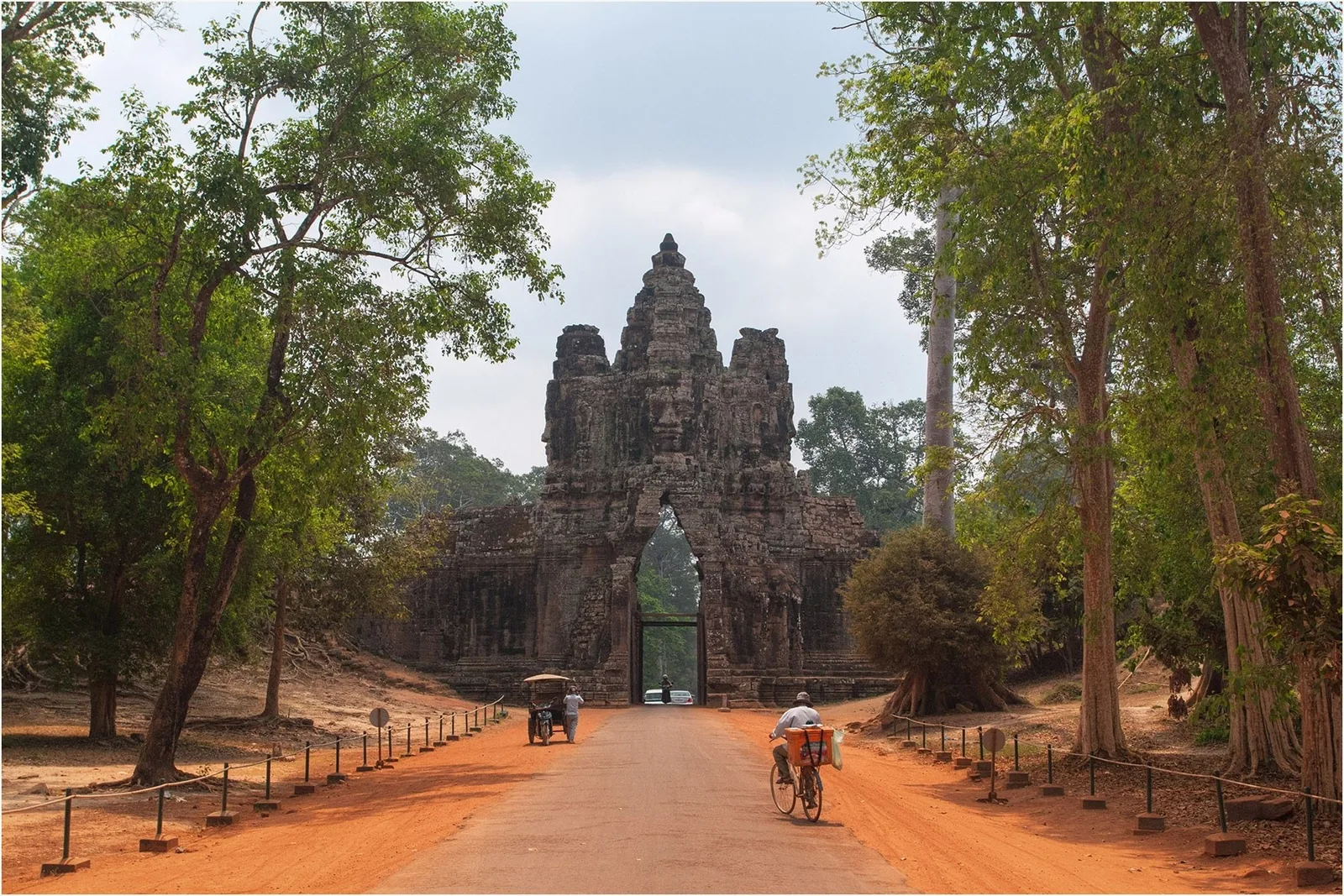
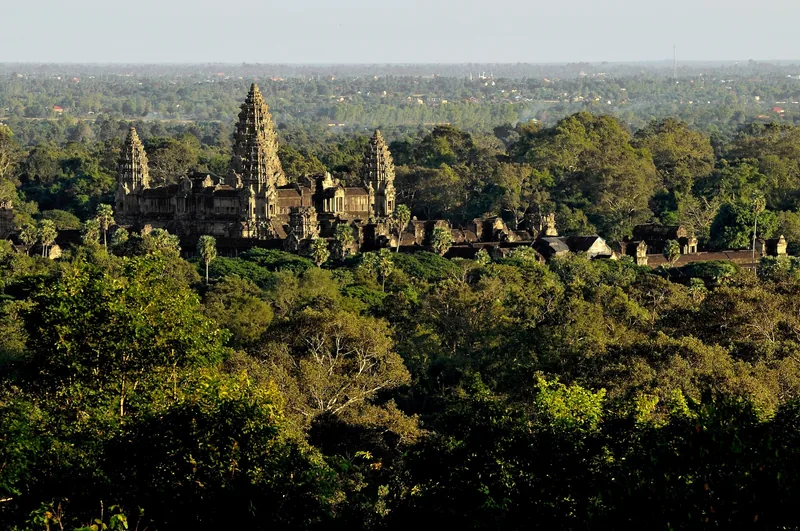
Angkor Thom first, not Angkor Wat: the Bayon’s faces are best in the first two hours and the walled city absorbs a crowd. Then Ta Prohm, forty minutes, early. The middle of the day is off. Angkor Wat late in the afternoon from the west, the direction it was built to be seen from.
Day 6
Banteay Srei and the outer temples
The lintels at Banteay Srei at seven in the morning
Thirty-seven kilometres out, Banteay Srei is small, pink and the finest carving in Cambodia; go at opening. Preah Khan and Neak Pean on the way back are quiet at midday. This is the day the closed border bought you, and it is the best-spent day on the itinerary.
Day 7
South to Phnom Penh
Forty-five minutes by air, or five and a half to six hours by road. We fly it unless you want Battambang, three hours down and the best street architecture in the country, in which case we add the night. The afternoon in Phnom Penh is the riverfront.
Day 8
Phnom Penh
The Angkorian sculpture in the National Museum, which is not at Angkor
Tuol Sleng and Choeung Ek in the morning, in that order, with a guide who will not perform them. Four hours together and the reason to stop here rather than fly over. The afternoon is the Royal Palace, the silver pagoda and the National Museum.
Day 9
Overland into Vietnam at Moc Bai
The change of country, which happens in about two hundred metres
The border day, and the only one on this route. Three to four hours southeast from Phnom Penh to Bavet, where you clear Cambodian exit control on foot with your luggage, walk the hundred metres or so across, and clear Vietnamese entry at Moc Bai. Allow 45 minutes to an hour and a half depending on coach traffic. Your Vietnamese e-visa, if you are on one, must already name Moc Bai as the entry gate and Noi Bai as the exit — decided at application and unchangeable. A Vietnamese car and guide meet you; Ho Chi Minh City is two hours on, with the Cu Chi tunnels roughly on the way if you want them.
Day 10
Saigon
The basement situation room at the Reunification Palace
The War Remnants Museum in the morning — uncomfortable, one-sided, and the most honest two hours available to a visitor here — then the Reunification Palace with its 1960s interiors untouched since the day it fell. The afternoon is Cholon: the Binh Tay market, Thien Hau temple and the streets between them. The evening is yours.
Day 11
North to Hoi An
An hour and twenty in the air to Da Nang and 45 minutes by road. Hoi An in the late afternoon is at its best, and the first evening is free among the lanterns with nothing arranged.
Day 12
Hoi An old town, and then nothing
The assembly halls before ten
A guided morning through the Japanese bridge, the assembly halls and two merchant houses that are still lived in. The old town stopped being a working port in the nineteenth century and was never rebuilt, which is why it reads as a whole. The afternoon is free — tailors, the market, or twenty minutes by bicycle to An Bang beach.
Day 13
North to Hanoi
A slow morning in Hoi An, then Da Nang and an hour and twenty in the air. Hanoi in winter is fifteen degrees under low cloud and feels like a different country from the one you left at breakfast, which is the correct note to end on. A loop of Hoan Kiem lake at dusk.
Day 14
Hanoi on foot
Cha ca, on the last evening
The Temple of Literature at opening and the Museum of Ethnology mid-morning, which between them explain a good deal of what you have been looking at for a fortnight. The afternoon is free. In the evening an eating walk through four or five pavement kitchens, which is the right last night: northern food is the least exported of the three cuisines on this trip.
Day 15
Hanoi, and home
Noi Bai is about 45 minutes out. If the flight is late we will hold the room and put the morning to use.
Borders
The closed border, and the one that is open
Two borders matter on this route. One of them no longer works at all.
- Thailand – Cambodia: CLOSED to tourists since 23 June 2025, and still closed at our last check. Aranyaprathet – Poipet, which carried the Bangkok to Siem Reap road route, is shut; so is Hat Lek – Cham Yeam on the coast. There is no tourist workaround. Bangkok to Siem Reap is flown, about an hour, several times a day.
- Cambodia – Vietnam at Bavet – Moc Bai: open, busy and straightforward. Cambodian exit on foot, a short walk, Vietnamese entry at Moc Bai.
- A Vietnamese e-visa names your entry AND exit gates at application and they cannot be changed afterwards. On this route that means Moc Bai in and Noi Bai out, both written on the form weeks before you travel. This is the most common way a self-planned version of this trip fails.
- Thai entry is by air on the visa exemption, which has been 30 days rather than 60 since 15 September 2026. The Thailand Digital Arrival Card is compulsory, free and filed within three days.
- Cambodian entry is at Siem Reap–Angkor airport, where the e-visa is accepted and a visa on arrival is also issued in US dollars cash. The e-arrival card is required for flights.
We check the Thai – Cambodian gates against both governments and against operators on the ground before every departure, and we will tell you the moment that changes. We do not publish visa fees; the current figures are on the official portals and your coordinator confirms them in writing before you travel.
Photographs
What the days look like
Bangkok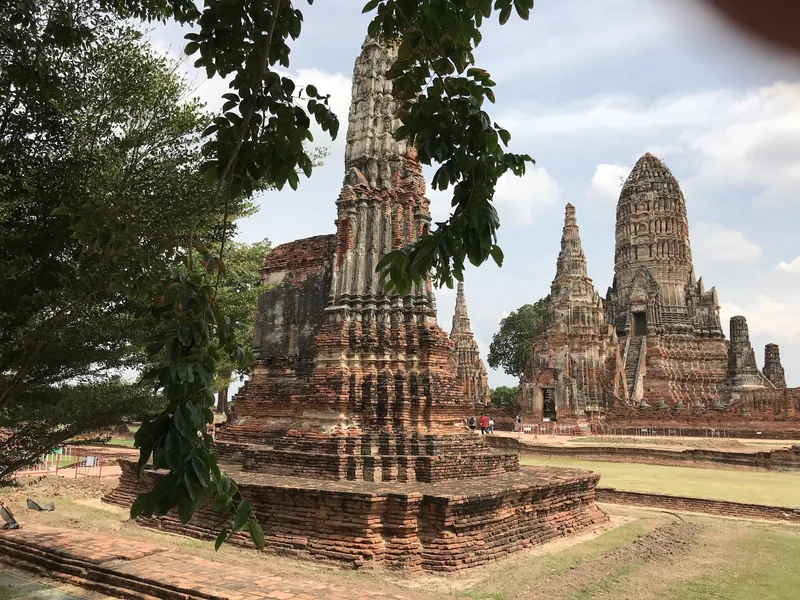 AyutthayaAngkor
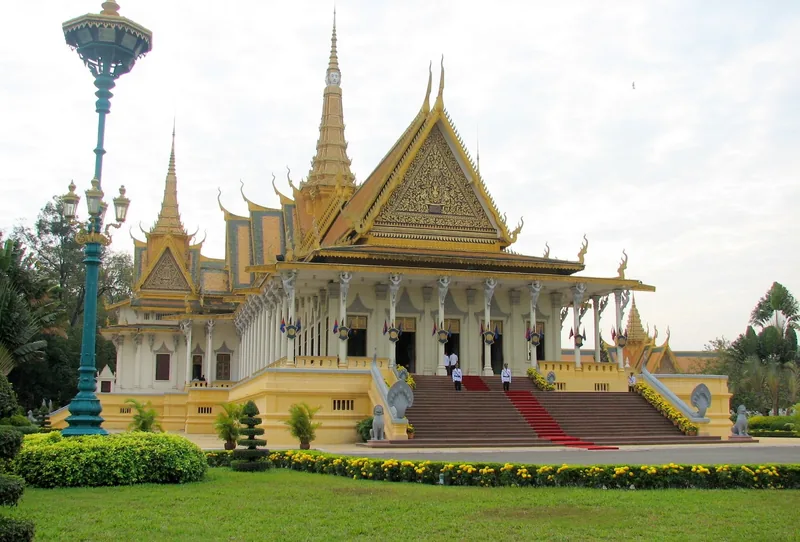 Phnom Penh
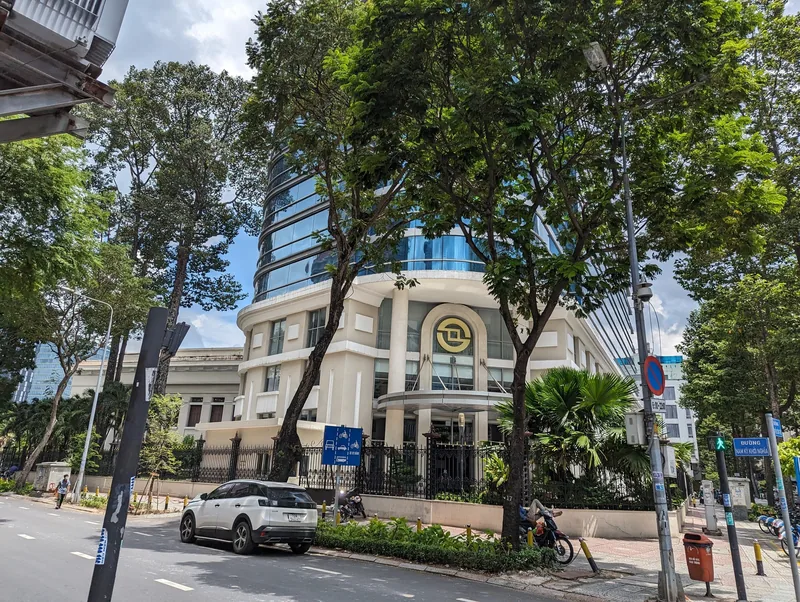 Ho Chi Minh City
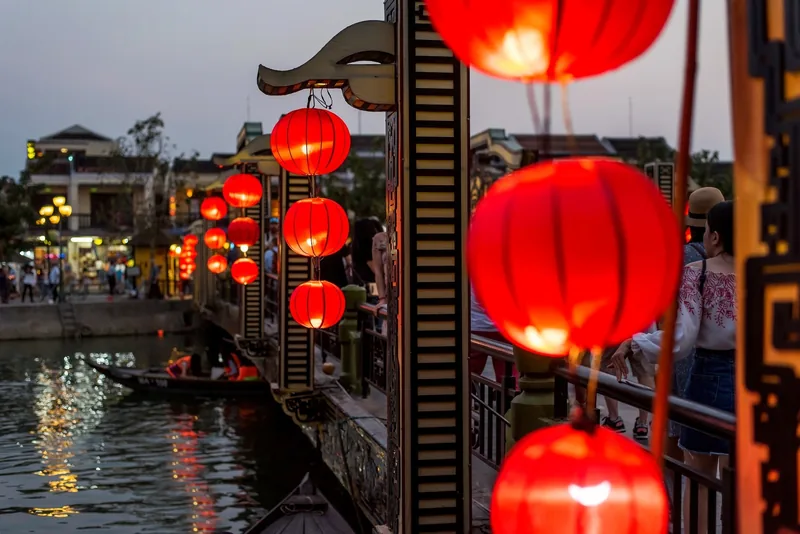 Hoi An
Price
What it costs
| Travellers | Comfortable hotels | Boutique and luxury |
|---|---|---|
| 2 travellers | On request | On request |
| 4 – 6 travellers | On request | On request |
Three countries means three sets of guides, three vehicles and four internal flights, and the fixed costs are higher here than on a two-country route of the same length. The hotel column is still the larger variable; ask for both and compare before you choose either.
Included
What is included
What the price includes
- Private air-conditioned car and driver in each country, with a separate Vietnamese vehicle from Moc Bai onwards.
- English-speaking local guides: one in Thailand, one in Cambodia, one in Vietnam, each licensed in their own country.
- Internal flights as listed — Bangkok to Siem Reap, Siem Reap to Phnom Penh, Ho Chi Minh City to Da Nang and Da Nang to Hanoi — in economy with checked baggage.
- Fourteen nights of accommodation with breakfast.
- Lunch at Ayutthaya, on the first Angkor day and on the border day; dinner on the Hanoi eating walk.
- Entrance fees to everything named in the day-by-day: the Grand Palace and Wat Phra Kaeo, Wat Pho, Wat Arun, the Ayutthaya historical park, the three-day Angkor pass, Banteay Srei, Tuol Sleng, Choeung Ek, the Royal Palace, the National Museum, the War Remnants Museum, the Reunification Palace, the Cu Chi tunnels, the Hoi An old town ticket and the Temple of Literature.
- Boat trips: the Chao Phraya ferries in Bangkok, and the river boat at Ayutthaya.
- All airport and border transfers, including the handover of vehicles at Moc Bai.
- A coordinator on a local number for the whole trip, with the Thai arrival card, the Cambodian e-arrival card and the Vietnamese pre-arrival declaration explained and timed for you.
What it does not include
- International flights into the first city and out of the last.
- Visa fees for every country on the route. We do not publish these figures — the current ones are on each government’s official portal, and your coordinator confirms them in writing before you travel.
- Travel insurance, which we ask every traveller to hold.
- Meals not named in the day-by-day, and all drinks.
- Tips for guides, drivers and boat crew.
- Personal expenses: laundry, telephone, spa treatments, anything bought.
Honesty
Who this route is not for
Fifteen days across three countries is a lot of moving, and it suits fewer people than the number who ask for it.
- Anyone who wanted the overland Bangkok to Siem Reap crossing. It does not exist any more. If travelling entirely by land is the point of the trip, take Vietnam and Cambodia, or Cambodia and Laos, and leave Thailand out.
- Travellers who dislike flying. There are four internal flights in fifteen days and the route cannot be built with fewer.
- Anyone who wants to unpack. Six places in fourteen nights, and the longest stay is three. If that reads badly, a fortnight in two countries is the better trip and we will build it.
- Anyone looking for a beach. Two nights near the sand at Hoi An, and nothing else on the whole route.
- Travellers in September or October who need certainty. Central Vietnam takes typhoon tails in those weeks and flights into Da Nang are the ones that move. We build in margin; we do not promise the weather.
Three countries, and the border we fly over.
Plan My Trip
Start from this route
Tell us your dates and what you would change. We re-check the Thai – Cambodian gates before every quote.
Common questions
Questions travellers ask most
Why can we not drive from Bangkok to Siem Reap?
Because the Thailand – Cambodia land border has been closed to tourists since 23 June 2025 and remains closed. Aranyaprathet – Poipet and Hat Lek – Cham Yeam are both shut. The flight takes about an hour and runs several times a day, and the day it saves goes to Angkor.
Is the border likely to reopen?
We do not know, and anyone who tells you they do is guessing. We check both governments and our operators on the ground before every departure, and if it reopens we will say so and offer the road version again. Until then this route flies that leg.
Can we do it in reverse, Hanoi to Bangkok?
Yes. The only material change is the Vietnamese e-visa, which would then name Noi Bai as the entry gate and Moc Bai as the exit — again, decided before you apply. The flight from Siem Reap to Bangkok is the same hour in the other direction.
Is fifteen days enough for three countries?
It is the minimum we will build this shape in. Fourteen nights across six places is already a lot of movement; below that you would be spending a quarter of the trip in transit. With eighteen days we would add Ha Long Bay and a third Hoi An night rather than a fourth country.
Journey ideas
Where a private route could take you
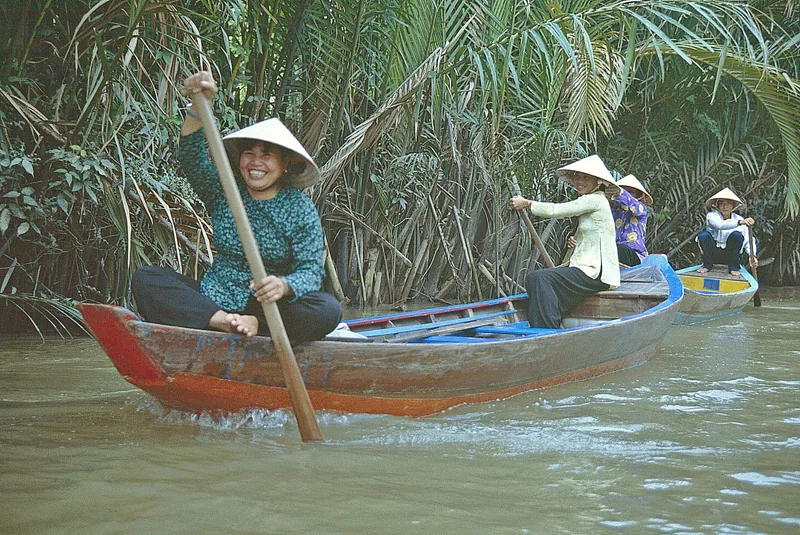
Example itinerary — fully customizable
Vietnam & Cambodia
Fourteen days, two countries, one land border — Hanoi to Angkor.
View journey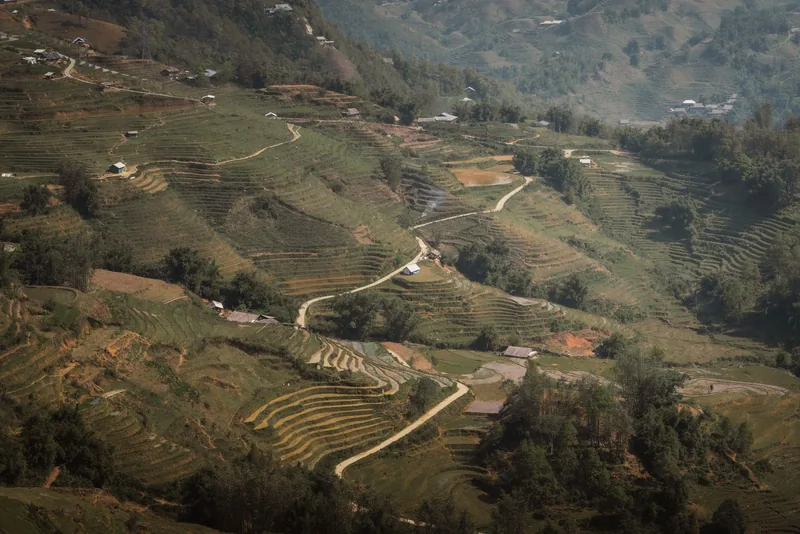
Example itinerary — fully customizable
Indochina, 21 days
Twenty-one days, three countries, two land crossings and one flight.
View journey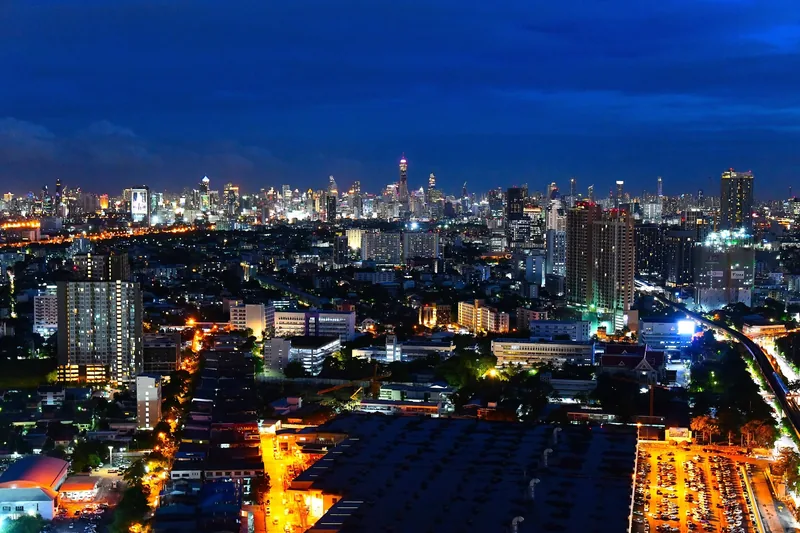
Thailand
Bangkok
Two or three nights, the river, and the flights that make every other leg possible.
View journey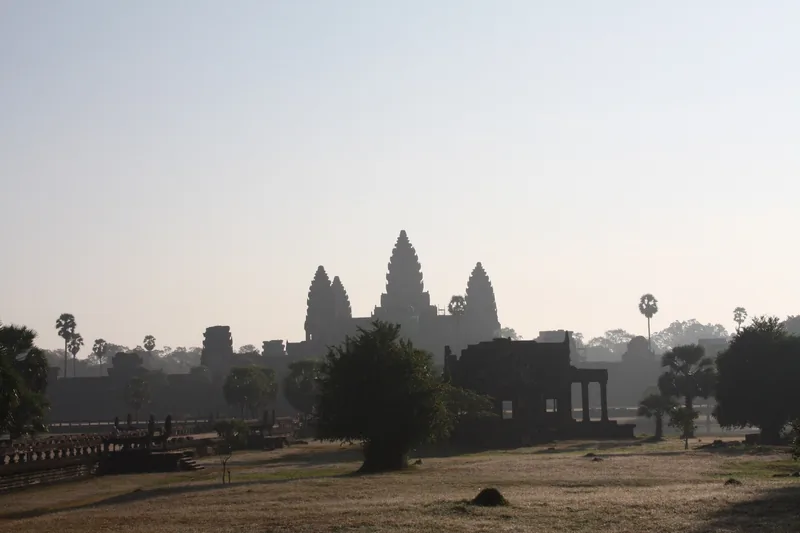
Cambodia
Siem Reap
Three or four mornings at Angkor, and the town you sleep in between them.
View journey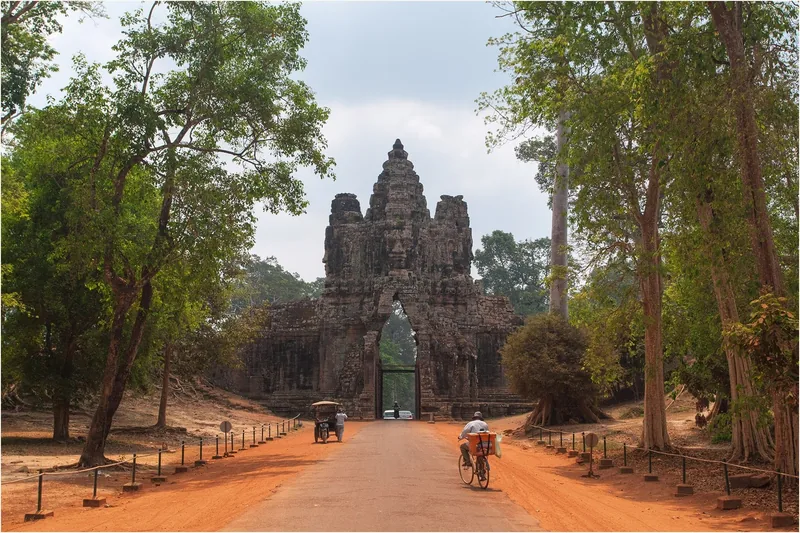
Start planning
Let’s plan your journey
Five quick questions. Your coordinator will take it from there.
Prefer to talk? WhatsApp or call+84 904 511 319