Travel guide
When to go, month by month
Written for the traveller whose dates are already fixed. Every month of the year works somewhere in these six countries — the question is which shape of trip the month you have will carry.
Seasons
There is no bad month, only a wrong route
Most seasonal advice for this region is written as though you could choose your dates. Almost nobody can. School terms, annual leave and the price of a long-haul ticket decide when you fly, and the useful question is not whether August is a good month but what August is good for.
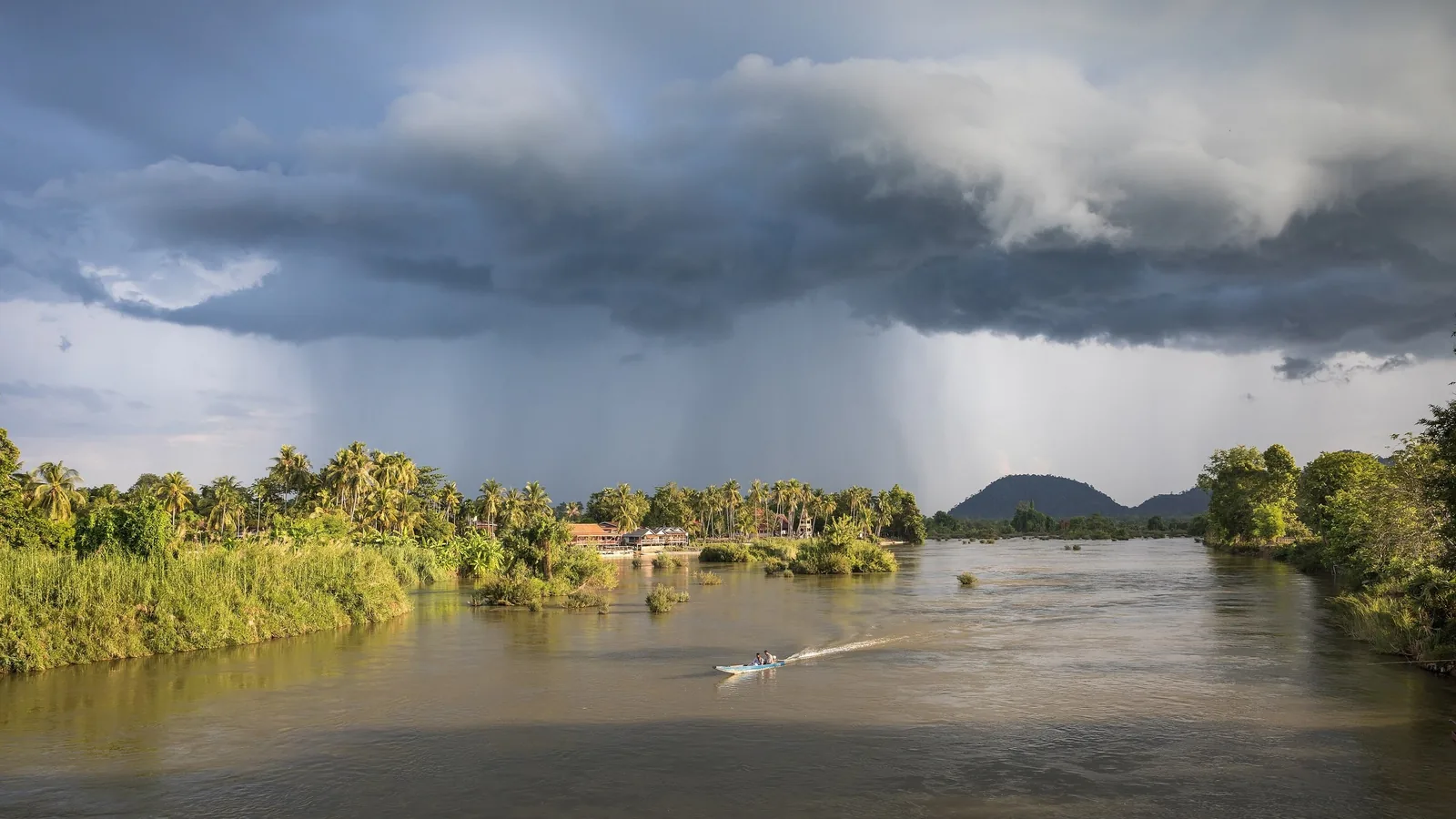
The answer is that the six countries on this site sit across two monsoon systems that run against each other. Mainland Southeast Asia — Vietnam, Thailand, Cambodia and Laos — is at its driest from November to March. Indonesia sits south of the equator and reverses that completely: its dry season is May to September, precisely when the Mekong is in flood. The Philippines runs on its own calendar again, dry from December to May, with a typhoon season from June that peaks between August and October.
So a trip in August is not a compromised mainland trip. It is an Indonesian trip with a short mainland leg attached. A trip in January is the reverse. Once you accept that, the month stops being a problem and starts being the thing that chooses the route for you.
Three means the month usually works everywhere in that region, two means it works with a plan, one means rain, heat or sea conditions will shape your days. No month is closed to all six countries: when the Mekong is in flood, Bali and the Philippines are at their driest.
Quarter one
January to April: the mainland at its best
January is the driest, coolest month on the mainland. Angkor is comfortable enough to stay out past ten in the morning, Laos wants a jacket after dark, and the Andaman coast is flat calm. Northern Vietnam is the one weak point: Hanoi sits around 15°C under low grey cloud, and the fine drizzle the Vietnamese call crachin can hold for days. Bali is in the middle of its wet season and the crossing to Flores is unreliable.
February and March are the strongest months of the year for a mainland route. Central Vietnam dries out and turns bright, southern Vietnam, Thailand, Cambodia and Laos are all at their best, and the Philippines is dry and calm. The cost is crowds and high-season hotel rates through both months. March brings one specific problem: agricultural burning across northern Thailand and northern Laos puts a haze over the valleys that can last into late April, so if you are travelling for the landscape around Chiang Mai or Luang Prabang, those weeks are the ones to avoid.
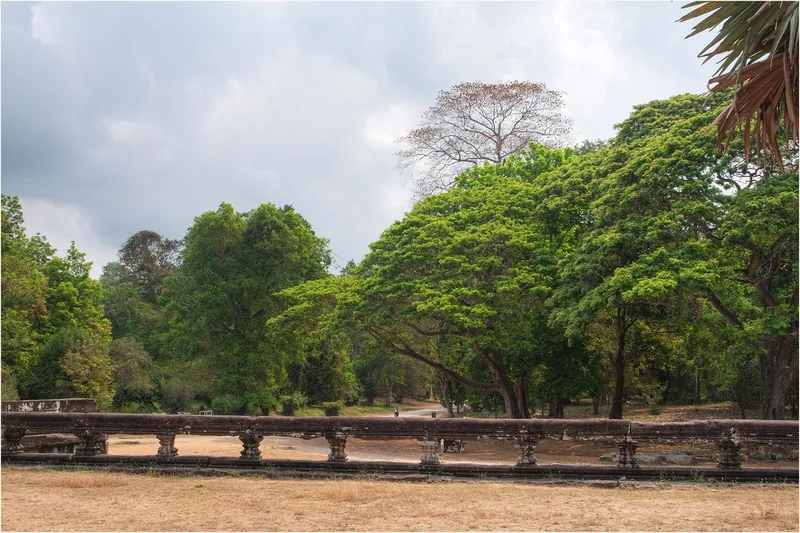
April is the hottest month on the mainland — 38°C at Angkor is normal and there is very little shade on the temple causeways — but it is also when northern Vietnam comes good and when Bali’s dry season begins. It carries three new year festivals in the same week: Songkran in Thailand, Pi Mai in Laos and Khmer New Year in Cambodia, all around the middle of the month. Transport books out, some businesses close for three days, and the water-throwing is genuine rather than staged. Plan around it or plan into it, but do not arrive unaware of it.
Quarter two and three
May to August: the island half of the year
May is the turn. The southwest monsoon reaches Thailand, Cambodia and Laos, usually as a heavy afternoon hour rather than a lost day, while Indonesia opens its dry season and northern Vietnam is green and warm without being unbearable. It is one of the best value months of the year, and one of the most underrated for the northern Vietnamese terraces.
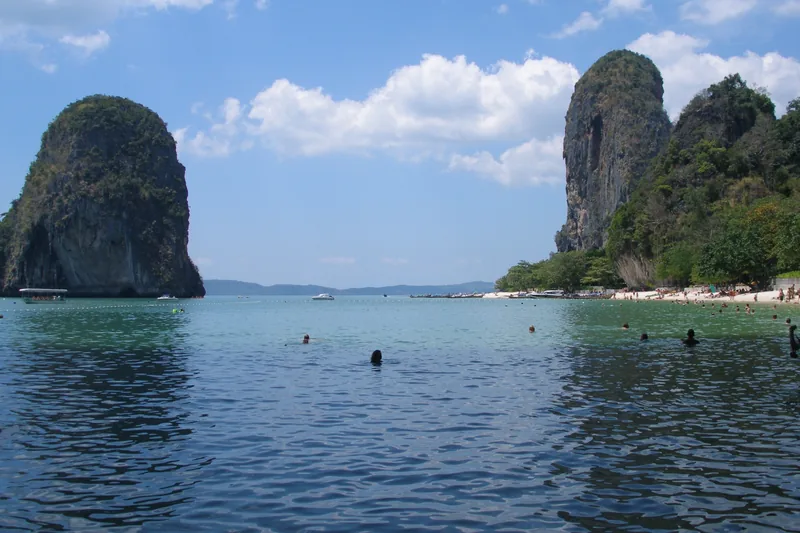
June, July and August are Indonesia’s months, and to a lesser extent northern Vietnam’s. Bali and Flores are dry, the sea at Komodo is calm enough for the boat days to run as planned, and Java is comfortable. The mainland is wet: Laos and Cambodia take their heaviest rain, central Vietnam is hot and humid, and the Andaman coast is grey and choppy although the Gulf islands stay workable. This is also when European and Australian school holidays fall, so Bali is at its busiest and its most expensive in July and August.
The route shape that works in these months is simple and we build it often: seven to nine days in Indonesia, with four or five days at the start or end in Thailand or northern Vietnam, joined through Bangkok or Singapore. What does not work is a four-country mainland loop in August. It can be sold, and it rains on nine days out of fourteen.
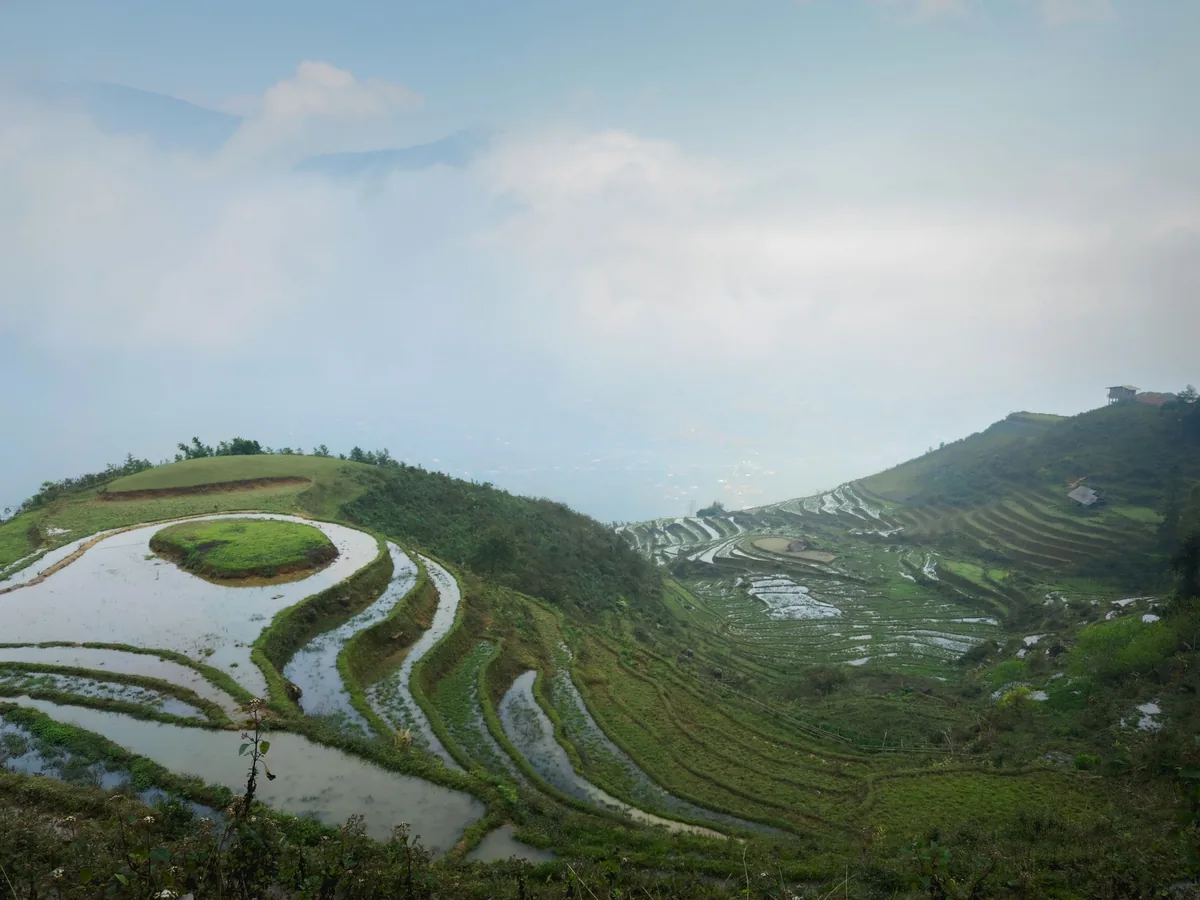 Northern Vietnam, late May
Quarter four
September to December: the swing back
September is the wettest month across the mainland and the quietest. Nothing closes, prices are at their lowest, and the countryside is at its greenest — the Tonle Sap has reversed and flooded, the waterfalls at Kuang Si are full, and the light after a storm is the best of the year for photographs. It is also the peak of the Philippine typhoon season, and we do not sell tight island-hopping schedules in it.
October is a month of two halves. Laos and northern Thailand come out of the rain with exceptional visibility, southern Vietnam is drying, and Cambodia is improving. Central Vietnam is the problem: this is when Hue and Hoi An take flooding and when typhoons reach the coast, so we either move the centre to the front of the trip or leave it out.
November opens the mainland dry season properly. Cambodia and Laos are already at their best, the Andaman is clear again, and the one thing to watch is the Gulf of Thailand, which takes its own heavy rain now — a November trip should have its beach on the Andaman side, not at Samui. December is dry, cool and busy: the best all-round month for a six-country route and the most expensive, with hotel rates from around 20 December to 5 January at their annual peak. Indonesia is wet through both months.
Month by month
Your month, and the route it suits
| Month | At their best | Route shape that suits |
|---|---|---|
| January | Thailand, Cambodia, Laos, southern Vietnam, Philippines | Full mainland loop, or Thailand and the Andaman with a Cambodian leg. Not Bali. |
| February | Central and southern Vietnam, Thailand, Cambodia, Laos, Philippines | The strongest month for Vietnam north to south, or Vietnam and Cambodia overland. |
| March | Central and southern Vietnam, Thailand, Cambodia, Laos, Philippines | Mainland, but keep the northern Thai and Lao valleys short — burning haze. |
| April | Northern and central Vietnam, Thailand, Philippines, Bali from mid-month | Vietnam end to end, or Thailand plus an island week. Book around the new year festivals. |
| May | Northern and central Vietnam, Indonesia | Northern Vietnam and an Indonesian leg, or Vietnam alone at good value. |
| June | Northern Vietnam, Indonesia | Bali and Java, with a short northern Vietnam or Bangkok leg attached. |
| July | Indonesia | Indonesia-led: Bali, Java and Komodo, plus a few days in Thailand or the Gulf islands. |
| August | Indonesia | The same, with more slack. Avoid a four-country mainland itinerary entirely. |
| September | Indonesia is easing, the mainland is at its greenest and cheapest | A slow single-country trip — Laos or northern Vietnam — with spare days built in. |
| October | Laos, northern Thailand, southern Vietnam | Laos and Thailand by land. Keep central Vietnam out or put it first. |
| November | Cambodia, Laos, Thailand (Andaman), Vietnam | Mainland loops reopen. Beach days on the Andaman, not the Gulf. |
| December | Vietnam, Thailand, Cambodia, Laos, Philippines | Everything on the mainland works. Book six months out for the new year weeks. |
Festivals and closures
Dates that move everything
- Tet, the Vietnamese lunar new year, falls in late January or February. The country effectively stops for about a week: domestic flights and trains sell out months ahead, many family-run restaurants close, and prices rise. The days either side are extraordinary to witness and difficult to travel in.
- Songkran in Thailand, Pi Mai in Laos and Khmer New Year in Cambodia all fall around 13 to 16 April. Expect closures, full transport and three days of water in the streets.
- Chinese New Year, the same dates as Tet, fills hotels across the whole region, not only in Vietnam.
- Ramadan and the Eid holiday shift each year and matter most in Java and Lombok, where they affect opening hours and domestic travel volumes. Bali, which is Hindu, is less affected, but Nyepi — the Balinese day of silence in March — closes the airport for twenty-four hours.
- The last week of December and the first week of January are the annual peak for rates everywhere in the region.
Planning
The rule that survives all of this
If your dates are fixed and awkward, change the countries rather than the dates, and change the shape rather than the pace. A fortnight in August that tries to cover Thailand, Laos, Cambodia and Vietnam will be four countries of rain; the same fortnight built around Bali, Java and four days in Bangkok will be dry almost throughout. We would rather tell you that than take the booking and hope.
Seasonal guidance on this page is ours, from the trips we run. The entry and border rules that also shape a route — the closed Thailand – Cambodia land border, Thailand’s 30-day exemption since 15 September 2026, the Lao nine-port e-visa list — were verified against government sources on this date and are set out in full in our border and visa guides. We do not print visa fees anywhere on this site, because they change without announcement.
Tell us your dates.
Plan My Trip
We will tell you what they suit
Send the two weeks you have and we will come back with the route that fits them, not the route we sell most often.
Common questions
Questions travellers ask most
What is the best single month to visit Southeast Asia?
For the mainland, February: dry and clear from Hanoi to Angkor, with the Andaman coast at its best. For Indonesia it is closer to July or August. There is no month that is ideal for all six countries at once, which is why we choose the countries around your dates rather than the other way round.
Is the rainy season actually a problem?
In southern Vietnam, Cambodia and Thailand, usually not: it is a heavy hour in the afternoon that you plan around, and the countryside is far better looking than in March. In central Vietnam in October, and in the Philippines between August and October, it is a genuine risk to the schedule and we build spare days into those itineraries.
When should I avoid northern Thailand and Laos?
March and the first half of April, when agricultural burning puts a persistent haze across the northern valleys. The temples are unaffected; the views are not.
How far ahead should I book for December and January?
Six months for travel between 20 December and 5 January, and for the Tet and Chinese New Year weeks. Three to four months is usually enough for the rest of the high season, and six weeks is workable from May to September.
Journey ideas
Where a private route could take you

Travel guide
How many days
Minimum nights per country, the true cost of a border day, and three worked examples.
View journey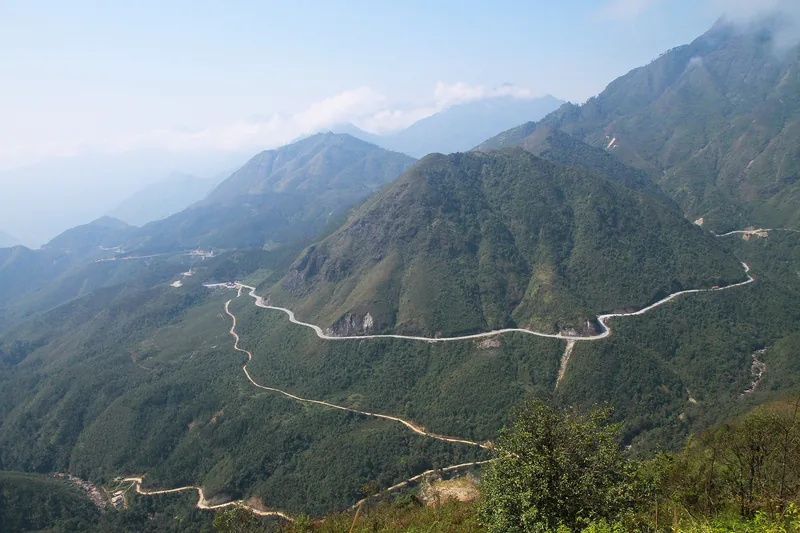
Travel guide
Two-week routes
Five fourteen-day shapes, with the joins that make them possible.
View journey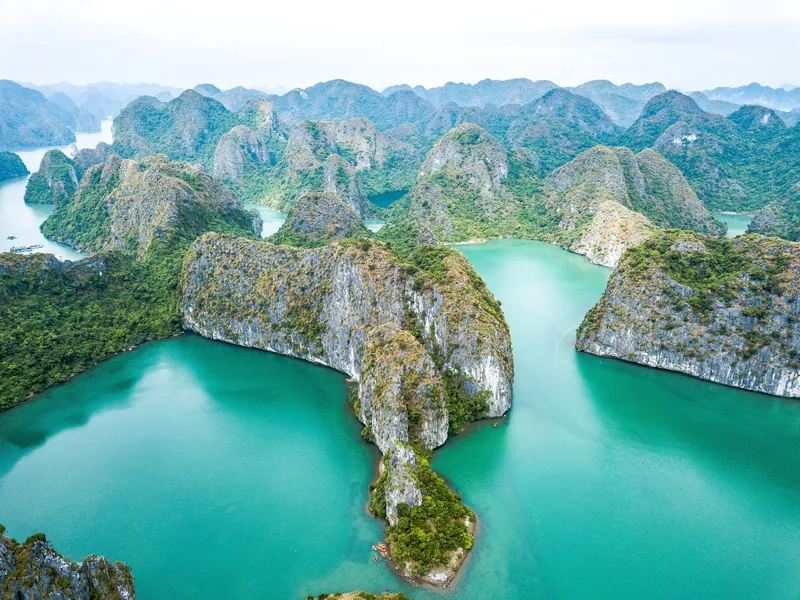
Destinations
Vietnam
Three regions, three climates, and the border gates that make a two-country trip work.
View journey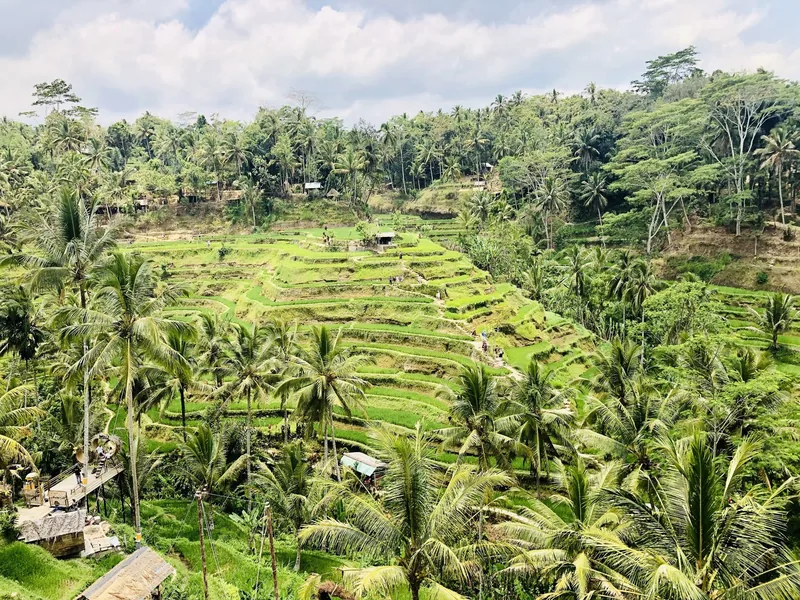
Destinations
Indonesia
Bali, Java and Flores — the island leg that works when the mainland does not.
View journey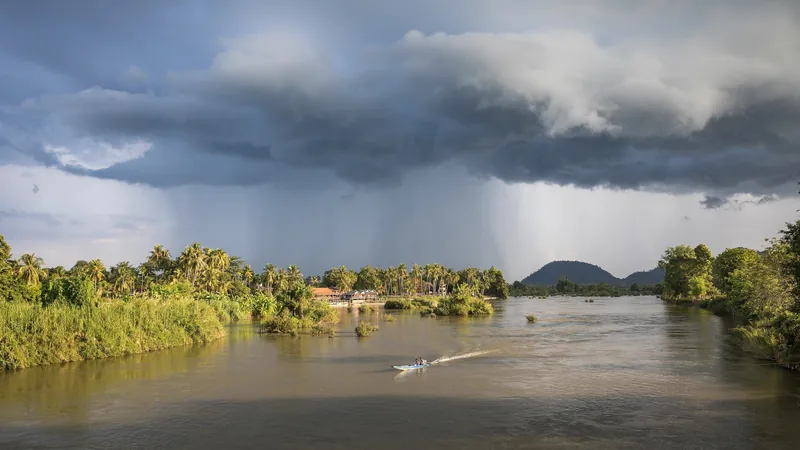
Start planning
Let’s plan your journey
Five quick questions. Your coordinator will take it from there.
Prefer to talk? WhatsApp or call+84 904 511 319