Vietnam
Hoi An
A silted-up trading port that stopped mattering in the nineteenth century, which is exactly why it still stands — five hundred metres of old town, a beach twenty minutes away, and the best cooking classes in the country.
Hoi An
Preserved by failure, not by policy
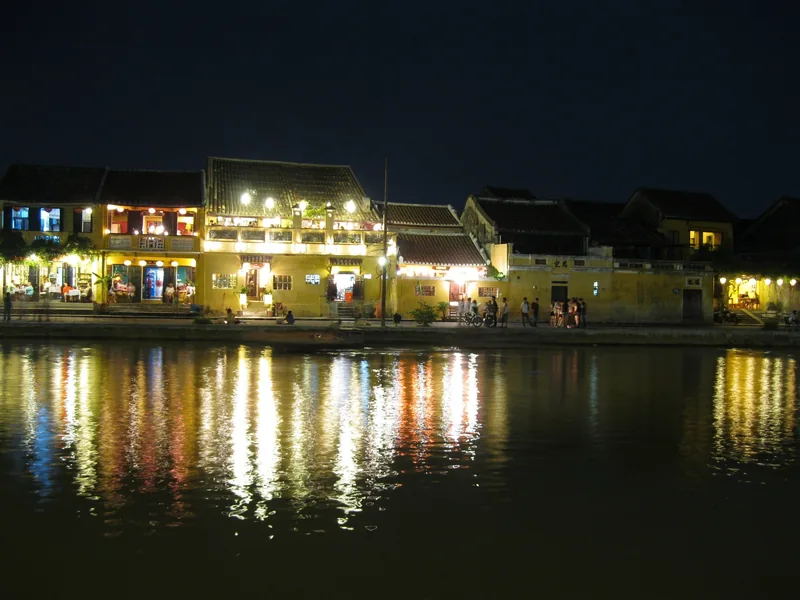
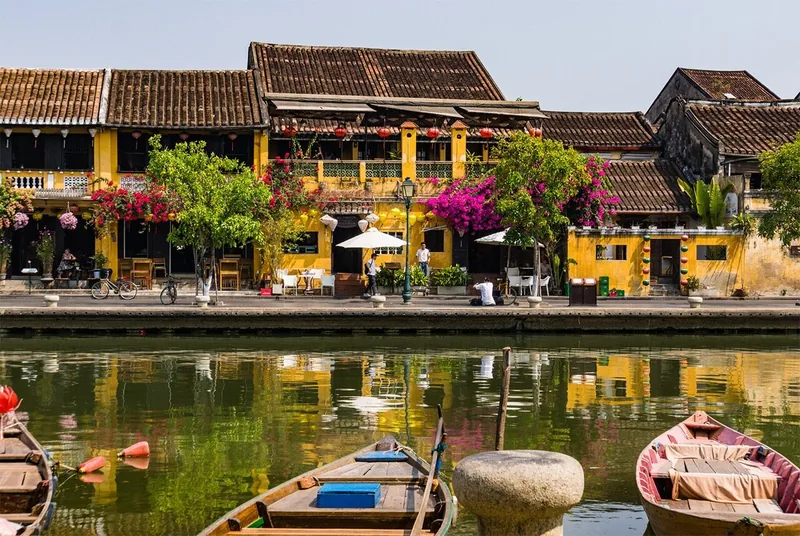
Hoi An was the busiest port on this coast for three hundred years — Japanese, Chinese, Portuguese and Dutch traders working a river mouth that has since silted up. When the river closed to shipping the money moved to Da Nang, and Hoi An spent the next hundred and fifty years too poor to knock anything down. That is why there are eight hundred surviving timber shophouses, assembly halls and a covered Japanese bridge inside an area you can cross on foot in ten minutes.
It is now one of the most visited places in Vietnam, and between nine in the morning and nine at night the old town is full. This is worth saying plainly rather than pretending otherwise. It is also completely avoidable: the town before seven in the morning is almost empty, the shophouse museums open at eight, and the crowds are concentrated in about four streets. A traveller who gets up early has a different Hoi An from one who does not.
How to use it
What the three nights are for
Hoi An is the one place on a Vietnam route where we argue for three nights rather than two, because it is the only stop that does three separate things well without any of them requiring a transfer. The old town, the coast and the kitchen are all within twenty minutes of each other.
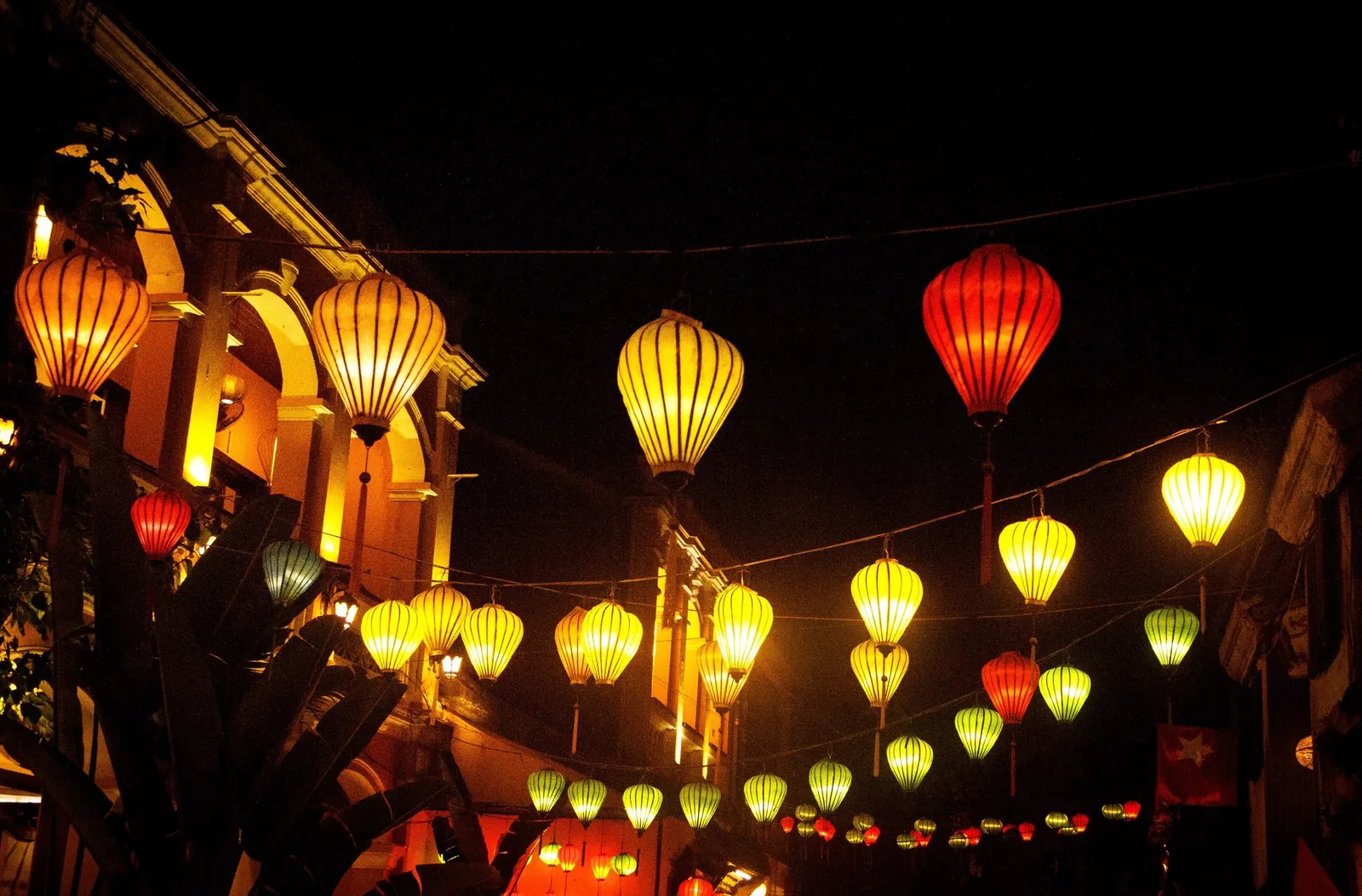
- The old town, twice — once before breakfast for the light and the quiet, once after dark when the lanterns are lit and the river is full of them.
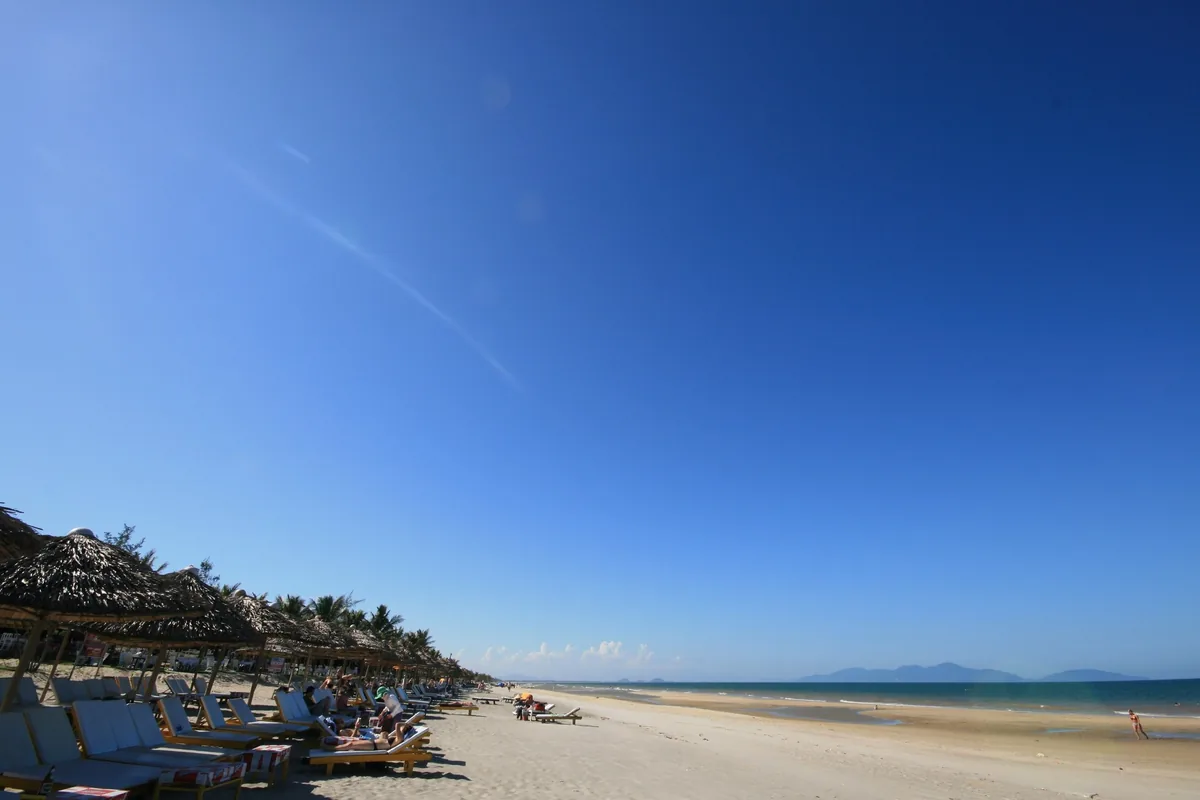
- An Bang or Cua Dai beach, a fifteen-minute bicycle ride through rice fields, with the Cham Islands offshore for a snorkelling day from March to September.
- A cooking class, which here means a market, a boat, a kitchen and four hours — more useful than any of the other food experiences on a two-week trip.
- My Son, the brick Cham sanctuary an hour inland, best at seven in the morning before the heat and the coaches.
Tailoring
The tailoring, honestly
Several hundred tailors work in Hoi An and the reputation is deserved in parts. A simple shirt or a linen suit made in two days from a good house will fit well and last. A complicated garment copied from a photograph, ordered the night before you leave, generally will not. Allow two fittings, which means arriving with at least two full days left, and accept that the second fitting is where the work actually happens. Shoes are the same story — straightforward styles work, novelty does not. We will tell you which houses we send people to, and we do not take a commission from any of them.
 Hoi An
Seasons
The months, and the one to avoid
Central Vietnam does not follow the north or the south. February to May is warm, dry and comfortable. June to August is hot — well above 35°C — but reliably sunny and the sea is flat, which is the beach season. September to November is the wet half, and it is not a rain shower: Hoi An sits on a flood plain and the old town takes water into the ground floors most years, usually in October or November. Boats replace bicycles for a few days, which some travellers find memorable and others find ruinous. December and January are cooler, greyer and quiet, with a fine drizzle that rarely stops the day.
Onward
Arriving, and going on
Hoi An has no airport of its own. You arrive through Da Nang, 45 minutes north by road, which has a full domestic schedule and a growing list of regional flights. From Hue the drive is two and a half hours through the tunnel or three and a half over the Hai Van pass, and the pass is worth the extra hour. Going south, Da Nang to Ho Chi Minh City is an hour and twenty minutes in the air; Da Nang to Nha Trang is an hour if the route wants another beach. If the trip is heading for Cambodia, Hoi An is where the Vietnamese half usually starts winding down — the border legs all begin in the south, so the sensible order is Hoi An, then Ho Chi Minh City, then the Mekong or the road to Bavet.
Three nights, one hotel.
Plan My Trip
Tell us your dates
We will put the old town early, the beach in the middle and the kitchen where it belongs.
Common questions
Questions travellers ask most
Is Hoi An too crowded to enjoy?
Between nine in the morning and nine at night, the four main streets are full. Before seven and after ten it is a different town. Three nights in the centre lets you use the quiet hours rather than fighting the busy ones.
How long do I need for tailoring?
Two full days and two fittings. Order on the first morning, fit on the second, collect before you leave. Anything ordered on the last evening is a gamble.
Does the old town really flood?
Most years, in October or November, and usually for a few days. The water comes into the ground floors along the riverfront and the shops carry on upstairs. It is a normal part of the calendar there, but it is the reason we would rather not sell you central Vietnam in late autumn.
Journey ideas
Where a private route could take you

Vietnam
Hue
One or two nights between the north and Hoi An, and the road over the Hai Van pass.
View journey
Vietnam
Ho Chi Minh City
Two nights in the south, and the start of the road to Phnom Penh.
View journey
Destinations
Vietnam
Three regions, three climates, and the border gates that make a two-country trip work.
View journey
Example itinerary — fully customizable
Vietnam highlights
Ten days from the Old Quarter to the delta, flown between regions.
View journey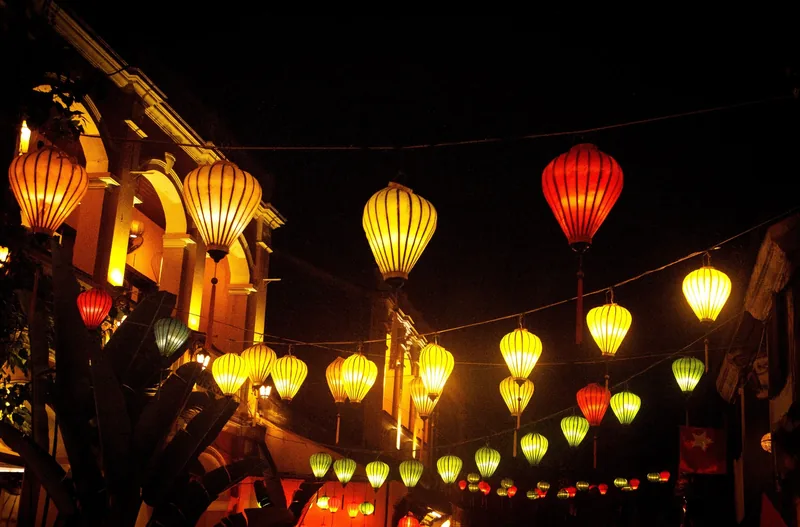
Start planning
Let’s plan your journey
Five quick questions. Your coordinator will take it from there.
Prefer to talk? WhatsApp or call+84 904 511 319