Vietnam
Hue
The imperial capital for a hundred and forty years, badly damaged in 1968, and still the only place in Vietnam where the court culture is legible on the ground.
Hue
A capital that was mostly destroyed and is being rebuilt
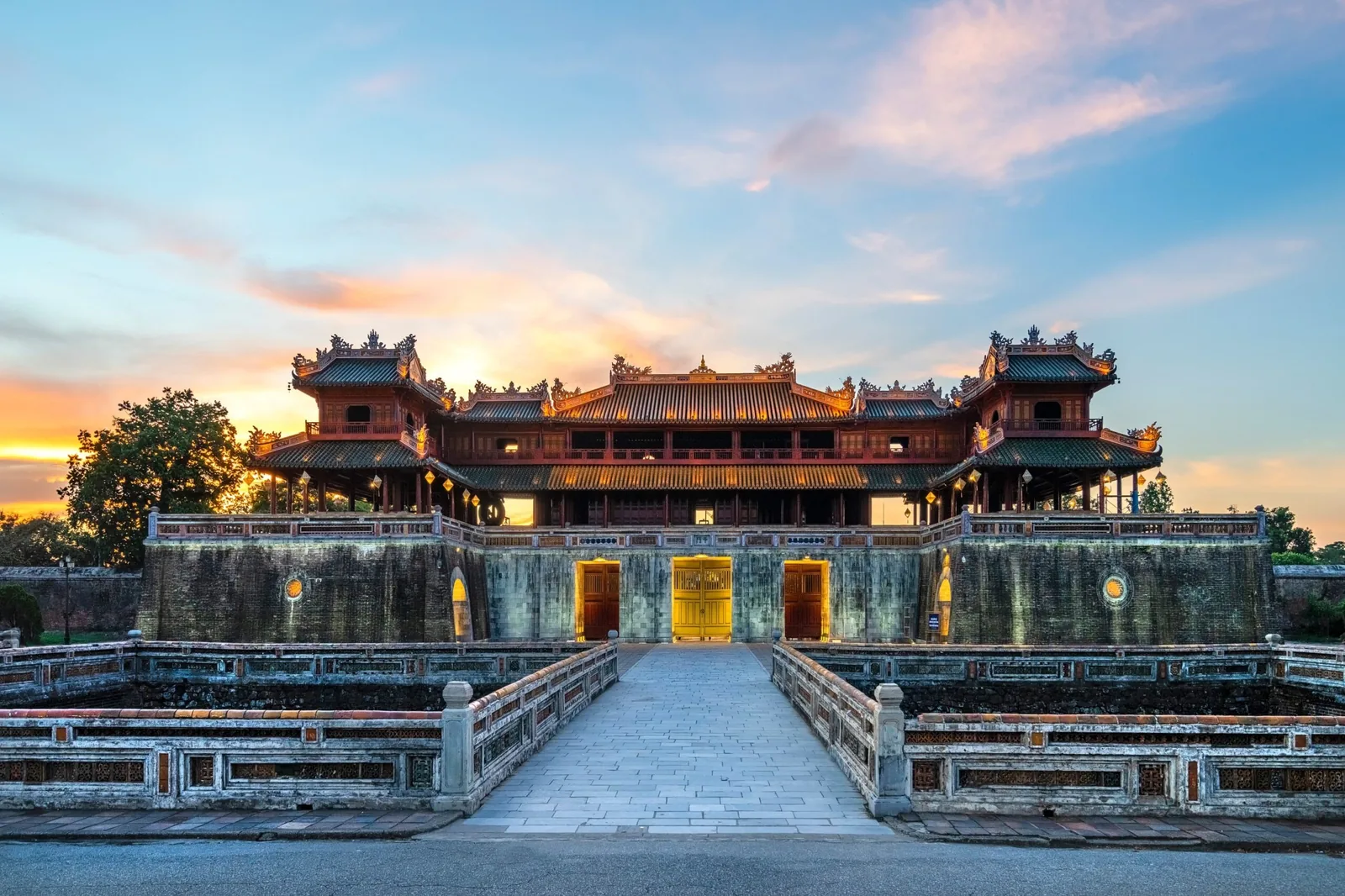
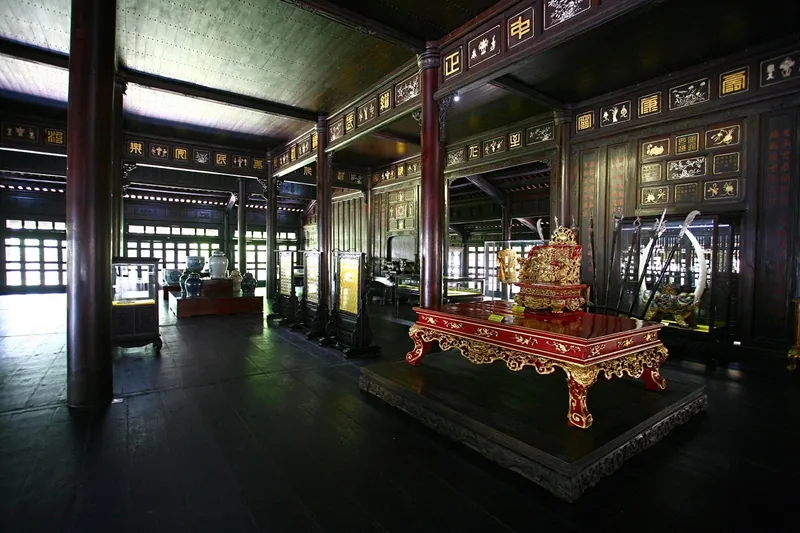
Hue was the seat of the Nguyen emperors from 1802 to 1945, and the citadel they built on the north bank of the Perfume river was a walled city of several hundred buildings. Most of it is gone. The battle for Hue in 1968 lasted a month and levelled the Forbidden Purple City at the centre; what stands today is a mixture of survivors, careful reconstructions and open foundations with the outlines marked in grass.
That sounds like an argument for skipping it, and some itineraries do. We think the opposite. A ruin you can read is more interesting than a palace with the roof still on, and the restoration work here is patient and well documented — you can watch a hall being rebuilt with the joinery techniques it was first made with. Hue is also the only Vietnamese city where court cuisine survived as a distinct tradition, and where the food is genuinely different from what you ate in Hanoi three days earlier.
What to see
The tombs are the better half of the city
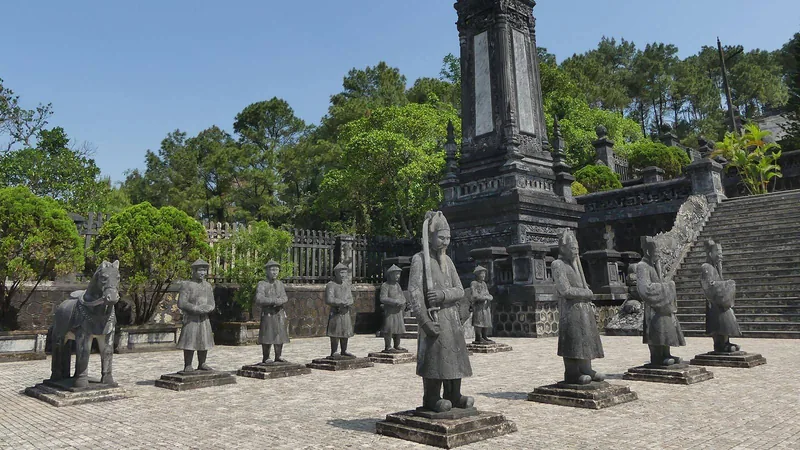
Seven emperors built tombs in the hills south of Hue and they are not really tombs — they are retirement estates, designed and used while the emperor was alive, with lakes, pavilions, theatres and a burial enclosure at the end of it. They are spread over fifteen kilometres of countryside, they take a half-day by car or a good half-day by boat and bicycle, and three is the right number to see. More than three and they begin to blur.
- Minh Mang — the most formal and the most complete, laid out on a single axis across a series of lakes.
- Tu Duc — the most attractive, built as a working retreat with a theatre and a lake pavilion, and the emperor is not actually buried where the map says.
- Khai Dinh — small, steep, and startling: blackened concrete outside, a mosaic interior that looks like nothing else in the country.
- Thien Mu pagoda on the river, which is not a tomb but is on the way and takes twenty minutes.

Planning
One night or two
One night is enough to see the citadel properly and one tomb, which is what most northbound or southbound routes allow. Two nights is the better version: a full day for three tombs and the river, a morning in the citadel, and an evening to eat, which in Hue is a reason on its own. Hue is a small city and a third night is only worth it if you want the DMZ sites at Vinh Moc and Khe Sanh, which are a long and fairly sombre day trip to the north.
Onward
The road south is part of the point
Hue to Hoi An is 120 km and can be done in two and a half hours through the Hai Van tunnel. Do not do that. The old road over the Hai Van pass climbs to 500 metres on the headland that divides the northern and central climates — it is frequently clear on one side and raining on the other — and adds about an hour. Along the way there is the Lang Co lagoon, the Cham museum in Da Nang and the Marble Mountains, which together turn a transfer into a day. This is one of the few road legs in Vietnam that is better than flying.
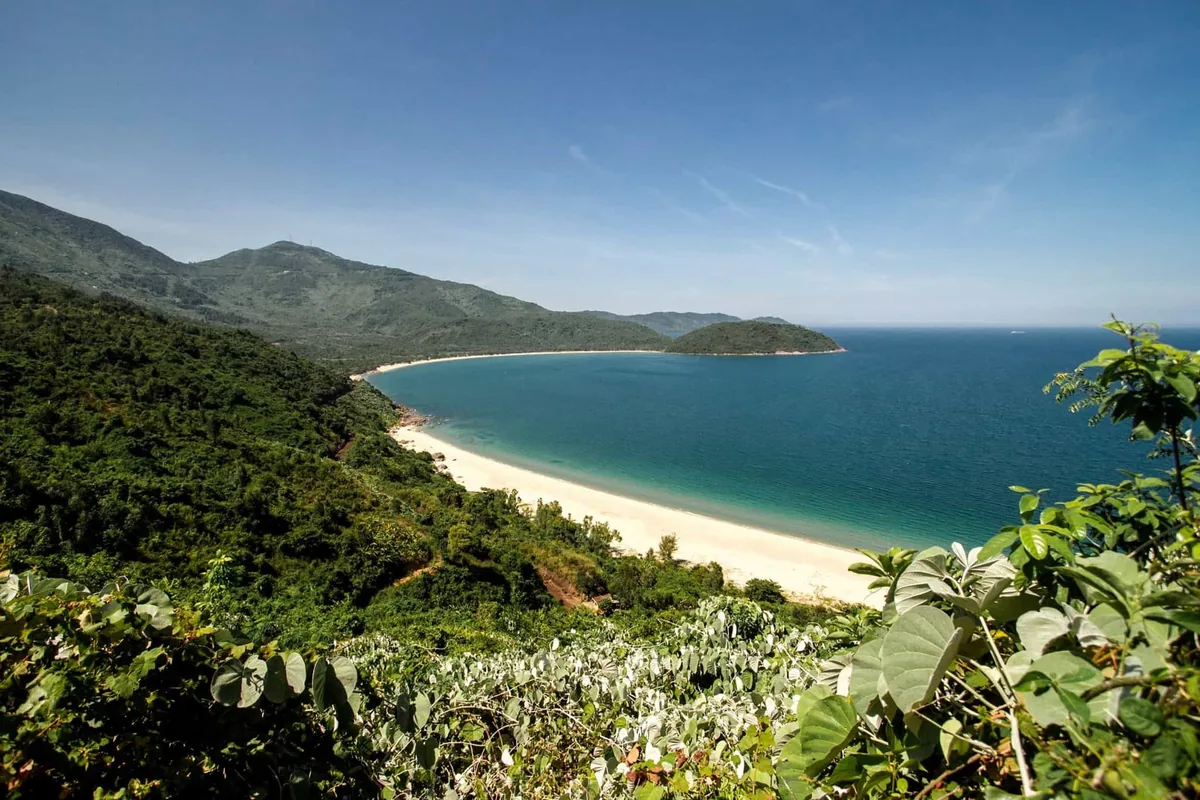 Hai Van pass, looking south
Borders
Where Hue connects
North, Hue is an hour and a quarter by air from Hanoi, or thirteen hours by train if the journey is the point. South, it is the gateway to Hoi An and Da Nang, which is where most travellers fly on to Ho Chi Minh City in an hour and twenty minutes. West, Hue is the closest Vietnamese city to Laos: Highway 9 runs from Dong Ha to the Lao Bao gate in about three and a half hours, and on to Savannakhet on the Mekong. That crossing works and is used, but the Lao e-visa is not valid at Lao Bao or at any other Vietnamese land gate — it is a visa on arrival, in cash, and your Vietnamese e-visa has to name Lao Bao as the exit point before you leave home.
Of the three Vietnamese gates into Laos — Lao Bao, Nam Can and Tay Trang — none accepts the Lao e-visa. Plan for a visa on arrival at all three. We do not publish the fee; the current figure is on the official portal and your coordinator confirms it before you travel.
Two nights in the old capital.
Plan My Trip
Tell us your dates
We will build the Hai Van pass into the transfer rather than around it.
Common questions
Questions travellers ask most
Is the citadel worth seeing if most of it was destroyed?
Yes. Roughly a third of the buildings survive or have been rebuilt, the restoration is ongoing and visible, and the empty foundations are marked out so the plan of the palace still reads. Give it two and a half hours in the morning.
How many royal tombs should I visit?
Three. Minh Mang, Tu Duc and Khai Dinh are different enough from one another to be worth the drive; a fourth adds nothing you have not already seen.
Should I take the pass or the tunnel to Hoi An?
The pass, unless the weather has closed it. It adds about an hour to a two-and-a-half-hour drive and is the best road in central Vietnam. The tunnel is for bad weather and late flights.
Journey ideas
Where a private route could take you
Vietnam
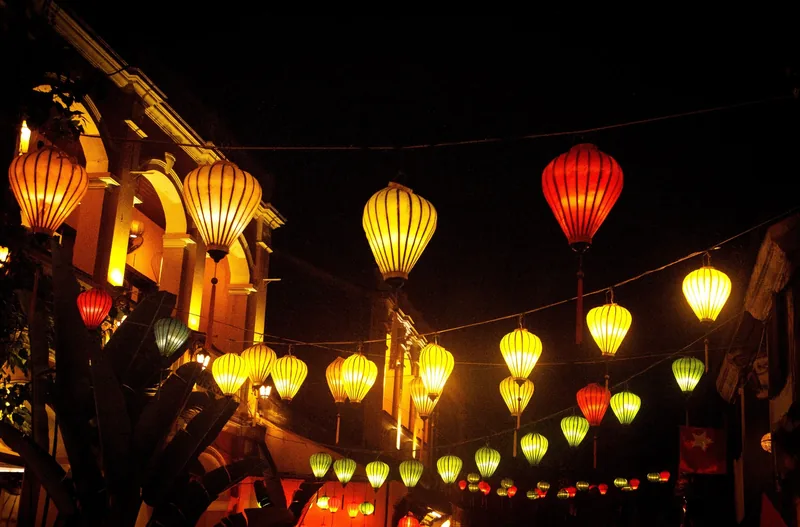
Hoi An
Three nights in the centre: old town, beach and kitchen without moving hotels.
View journey
Destinations
Vietnam
Three regions, three climates, and the border gates that make a two-country trip work.
View journey
Example itinerary — fully customizable
Vietnam highlights
Ten days from the Old Quarter to the delta, flown between regions.
View journey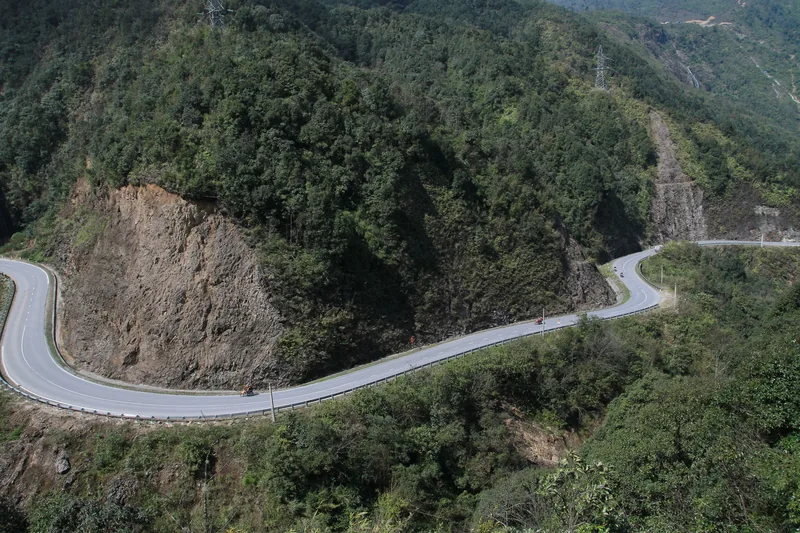
Example itinerary — fully customizable
Vietnam & Laos
Twelve days, two countries, the Lao Bao gate and the southern Mekong.
View journey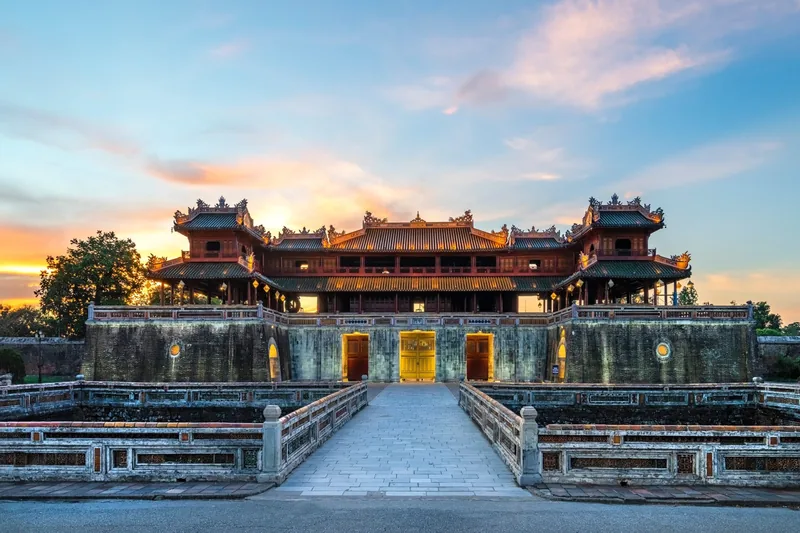
Start planning
Let’s plan your journey
Five quick questions. Your coordinator will take it from there.
Prefer to talk? WhatsApp or call+84 904 511 319