Travel guide
What a day actually costs
Ranges rather than figures, because a private trip is priced by the choices inside it. What follows is where the money goes, and what moves it most.
Money
Why we give ranges and not a number
Two people can take the same fourteen-day route in the same fortnight and pay very different amounts, and neither of them has been overcharged. Southeast Asia has an unusually wide hotel market: in the same town you can stay somewhere clean and simple or somewhere with thirty staff per guest, and the gap between them is larger than the gap between any two other line items on a quote.
So the honest way to write about money here is in ranges, with the drivers named. The figures below are indicative daily spending per person, for two people sharing, on a privately arranged trip with a driver and local guides. They exclude international flights, insurance and anything you buy to take home. They are not a quote, and we would not want you to plan around them to the dollar.
Every figure on this page is a range in US dollars, given so you can size a budget before you ask us for a price. It is not a quotation and it is not a price list. We do not publish package prices on this site, and we never print visa or border fees anywhere, because those change without announcement and the official portals are the only source worth quoting.
By country
Indicative daily spending, by country
| Country | Simple but good | Mid-range | Upper end | What moves it most |
|---|---|---|---|---|
| Vietnam | USD 70 – 110 | USD 120 – 200 | USD 250 and up | Hotel class; a bay cruise cabin; internal flights |
| Thailand | USD 80 – 130 | USD 140 – 240 | USD 300 and up | Beach resorts in high season; Bangkok hotel class |
| Cambodia | USD 70 – 110 | USD 120 – 200 | USD 250 and up | Siem Reap hotel class; temple passes; private guiding |
| Laos | USD 70 – 110 | USD 110 – 180 | USD 220 and up | Luang Prabang hotel class; the slow boat and its night at Pak Beng |
| Indonesia | USD 80 – 130 | USD 150 – 280 | USD 350 and up | Bali villa standard; Komodo boat days; July and August |
| Philippines | USD 90 – 140 | USD 150 – 260 | USD 320 and up | Island resorts; domestic flights; private boat days |
Read those as per person per day, two sharing, all in apart from the flights that brought you to the region. The Philippines and Indonesia sit higher than the mainland for a structural reason rather than a cultural one: both are archipelagos, so internal flights and boat transfers are a standing cost rather than an occasional one, and the good places are islands with a limited supply of rooms.

The breakdown
Where the money goes on a private trip
On a typical fourteen-day private itinerary, the shape of the spend is remarkably consistent, and it is not the shape most people expect. Guiding, which feels like the expensive part because it is the part you can see, is rarely more than a fifth of it.
| Line | Roughly | Notes |
|---|---|---|
| Hotels | 45 – 55% of the trip | The single biggest lever, and the easiest to change in either direction |
| Internal flights and long transfers | 15 – 20% | Fixed by the route. Fewer stops means fewer flights |
| Guides and drivers | 12 – 20% | Per day and per vehicle, so it divides as your party grows |
| Entrances, boats and permits | 8 – 12% | Angkor passes, bay cruises, national park and island fees |
| Meals not included | 5 – 10% | Usually dinners, which most people prefer to choose themselves |
| Planning and coordination | The remainder | One coordinator who plans it and stays with it |
The practical consequence is that if a quote comes back higher than you expected, the first conversation is about hotels and the second is about the number of stops. Cutting guiding saves the least and costs the most.
Drivers
The four things that change a quote by a factor of two
- Hotel category. Between a good small hotel and an internationally branded resort there is a factor of three, and in Bali and the Philippine islands more than that. Nothing else on a quote moves like this.
- Season. The last week of December and the first week of January, Tet and Chinese New Year, and July and August in Bali all carry peak rates. The same room can double across those dates, and the shoulder months either side of them are materially cheaper.
- Party size. A car, a driver and a guide cost roughly the same for two people as for four. A family of four often pays less per head than a couple on exactly the same route.
- The number of stops. Every extra town adds a transfer, sometimes a flight, and a night that is half consumed by arriving. Six stops in fourteen days costs noticeably more than four stops and delivers less.
A fifth, smaller one: one-night stays. A single night anywhere is the most expensive night on the trip, because you pay the full transfer to get there and leave before you have used the place.
Day to day
What things cost on the ground
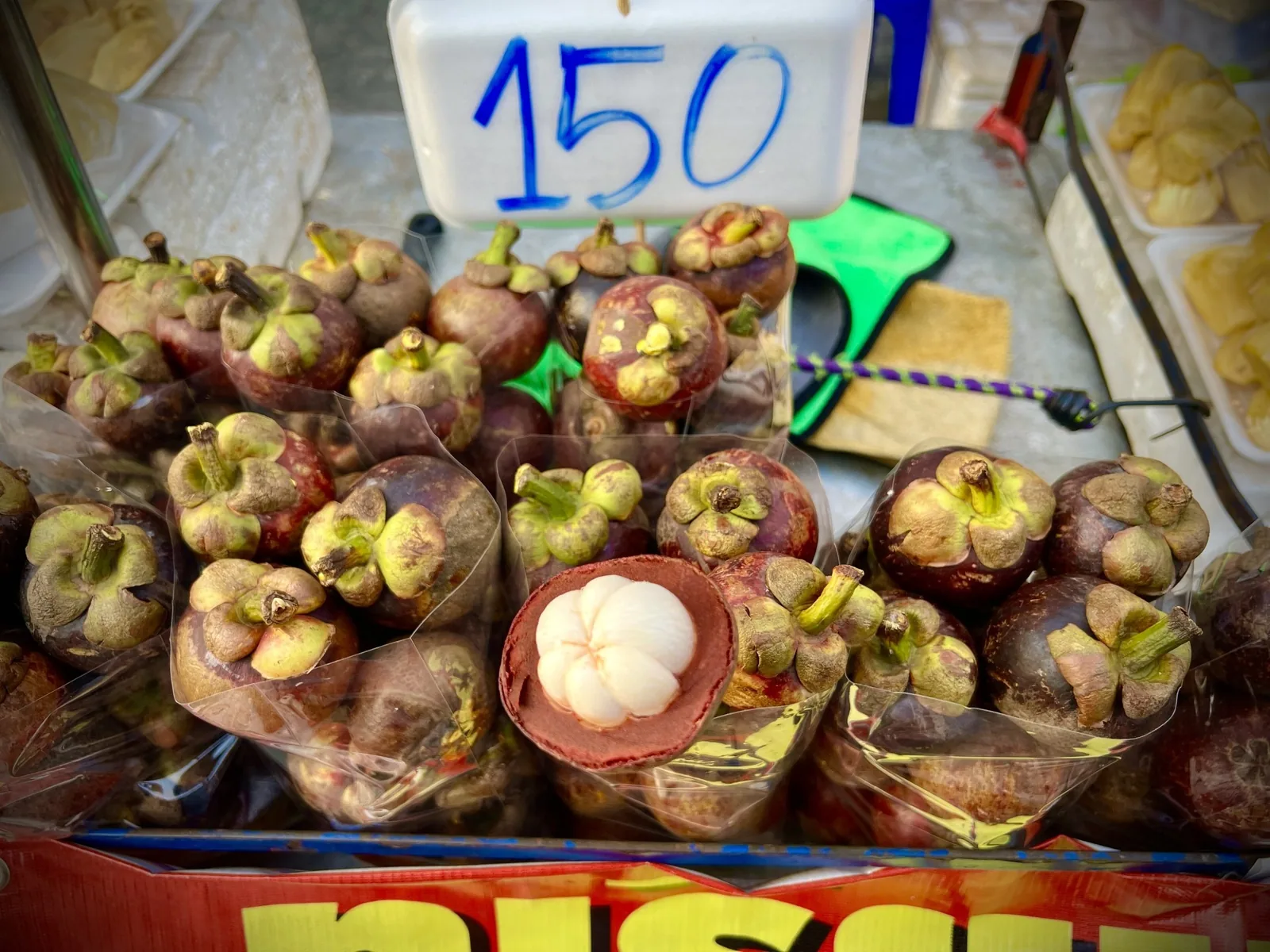
- Street food and local restaurants are genuinely inexpensive across all six countries, and often the best eating of the trip. A bowl of noodles from a pavement kitchen is a small fraction of a hotel breakfast.
- Restaurant meals with wine are the exception. Imported wine carries heavy duty everywhere in the region, and a bottle can cost more than the meal it accompanies.
- Taxis and ride-hailing in cities are cheap and take the negotiation out of a short journey.
- Angkor, the Vietnamese heritage sites, Komodo National Park and the Philippine island fees are fixed public charges, payable by everyone, and we include them in a quote rather than leaving them as a surprise.
- Tipping is customary but not obligatory, and a few dollars a day for a guide and rather less for a driver is normal. Your coordinator will give you the current local convention rather than a number we made up.
Practicalities
Cash, cards and the two currencies that matter
Cards work in hotels and better restaurants across all six countries, and nowhere else you will want to spend. Cash machines are everywhere in Vietnam, Thailand, Indonesia and the Philippines, thinner in Laos and thinner again outside Cambodian towns.
Cambodia is the case worth planning for: US dollars circulate alongside the riel and are effectively the working currency, and at some borders and at Prek Chak in particular a visa on arrival must be paid in US dollars in cash. Carry clean, unmarked, untorn notes — a torn dollar will be refused, politely, and there is no arguing with it. Laos is similar at the gates where the e-visa does not reach.

Entry rules were verified against government sources on this date. We will not print the fee for any visa, arrival card or border charge, here or anywhere on this site: they change without announcement, sometimes within days, and a number we cannot stand behind is worse than no number. Your coordinator sends the current figures and the official link for your nationality before you travel.
Value
How to spend less without spoiling the trip
- Travel in the shoulder months — May, and late September into October — rather than at the peak. The saving is real and the weather is often better than its reputation.
- Cut a stop rather than cutting nights. Four places in fourteen days beats six in every measure including cost.
- Take the good small hotel in two towns and spend the difference on one memorable night — a bay cabin, a boat, a room that faces Angkor.
- Eat where the locals eat at lunch and book dinner only where you actually want to.
- Take the train or the boat where it is enjoyable, and keep the flights for the legs that are only a transfer.
One thing that does not save money: booking late. Hotel rates in this region rise as availability thins rather than falling, and the good small hotels are small. Three to four months ahead is comfortable for most of the year, and six months for the weeks around the new year, Tet and Chinese New Year. Booking eight weeks out usually costs more and narrows the choice to whatever is left.
Ask us for a real figure.
Plan My Trip
Tell us the shape and we will price it
Dates, party size and the standard of hotel you have in mind. You will get an itemised quote with the public charges already in it.
Common questions
Questions travellers ask most
How much should I budget per day?
As an indicative range, USD 120 to 200 per person per day on the mainland for a mid-range private trip with a driver and guides, and USD 150 to 280 in Indonesia and the Philippines. Those exclude international flights and are a way of sizing a budget, not a quotation.
Why is a private trip more than a group tour?
Because the car, the driver and the guide are yours rather than divided by sixteen, and because the itinerary is built around your dates rather than a departure calendar. The difference narrows quickly as the party grows: four people on the same route usually pay less per head than two.
Do you publish prices for your packages?
No. Every trip we run is rebuilt around dates, party size and hotel standard, and a headline figure with a star beside it would tell you nothing useful. Send us the shape and you will have an itemised quote.
How much cash should I carry?
Enough US dollars in clean, unmarked notes to cover any visa on arrival, a border charge and a day or two of incidentals, and then local currency drawn from cash machines as you go. Cambodia and the remoter Lao gates are the places where cash is not optional.
Journey ideas
Where a private route could take you
Travel guide
How many days
Minimum nights per country, the true cost of a border day, and three worked examples.
View journey
Travel guide
When to go
Twelve months, six countries, and the route shape each one suits.
View journey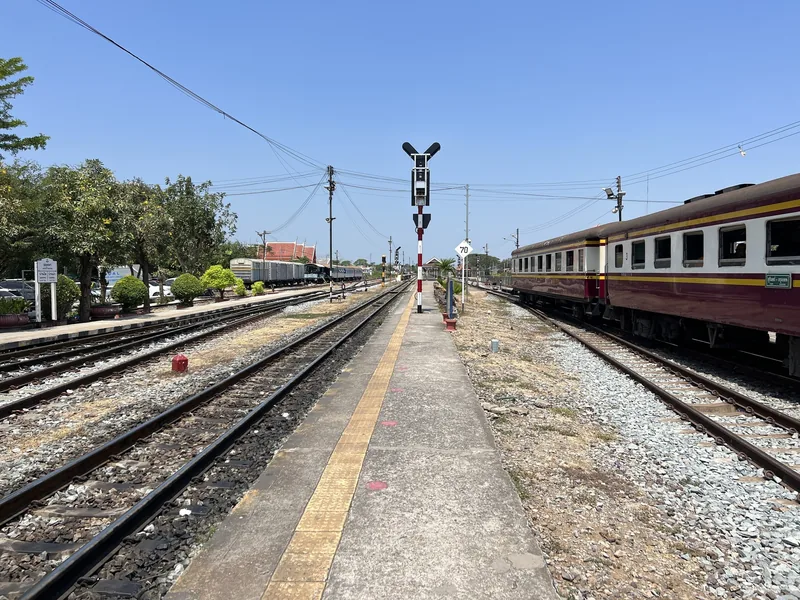
Travel guide
Getting around
Flights, trains, buses, boats and cars — what each one really costs you in a day.
View journey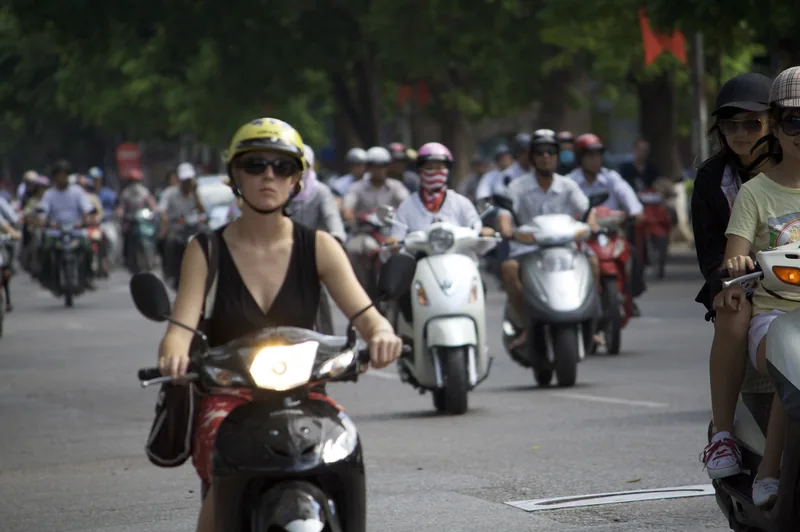
Example itinerary — fully customizable
Vietnam highlights
Ten days from the Old Quarter to the delta, flown between regions.
View journey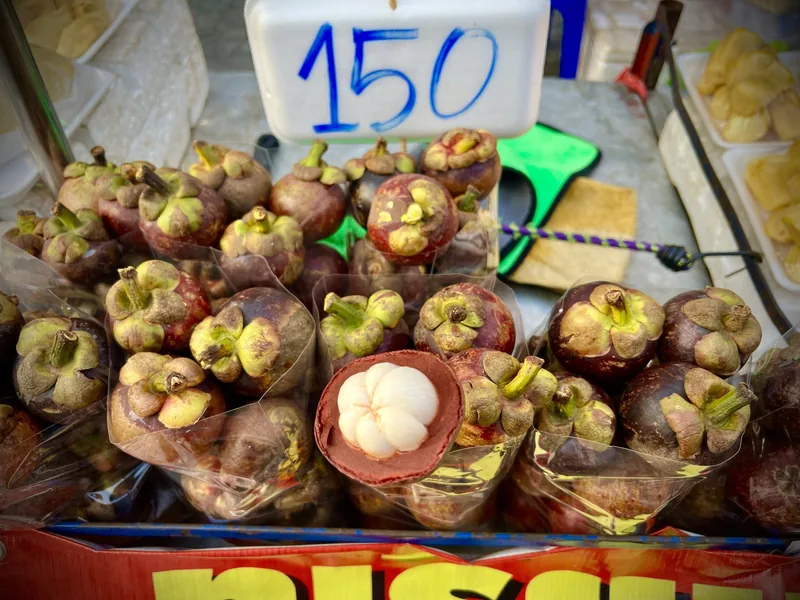
Start planning
Let’s plan your journey
Five quick questions. Your coordinator will take it from there.
Prefer to talk? WhatsApp or call+84 904 511 319